
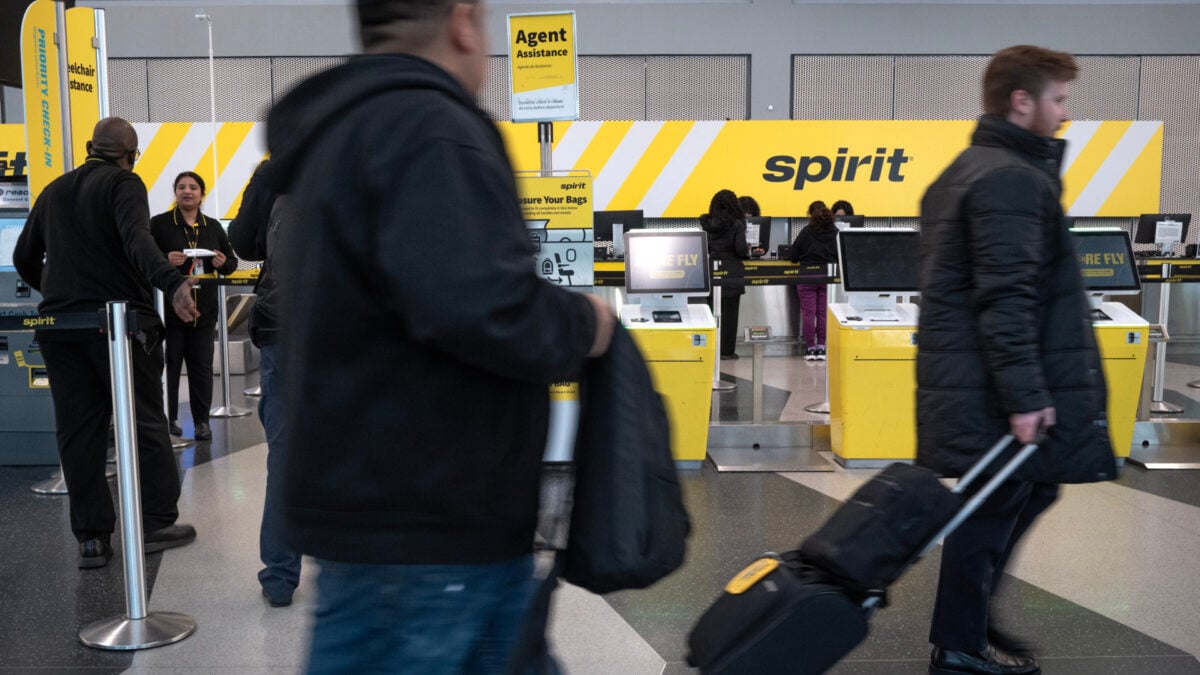
The dream of seamless global mobility, once viewed as an attainable privilege for the modern professional, is rapidly dissolving into an expensive mirage. According to the latest analytical data from the Kayak online dashboard, the aviation industry is currently navigating a period of unprecedented volatility. From the dawn of 2026 to the 27th of April, the financial landscape of air travel has undergone a seismic shift: domestic flight prices within the United States have surged by 25%, while international routes have witnessed a staggering 62% increase. This is not merely a fluctuation; it is a financial tempest that threatens to ground the ambitions of countless travelers.
The Anatomy of an Economic Tailwind
Critics and industry analysts alike are pointing fingers at the current administration, suggesting that legislative inertia and shifting geopolitical postures have transformed the humble airplane ticket into a luxury commodity. Much like a high-performance engine starved of fuel, the aviation sector is grappling with the cumulative weight of regulatory burdens, labor shortages, and energy costs that have reached a boiling point. The president, standing at the helm of an economy battling inflationary currents, finds himself under the scrutiny of a public that views affordable transit as a fundamental necessity rather than a disposable indulgence.
Consider the aviation industry as a grand, interconnected clockwork mechanism. When the gears of government policy grind against the delicate springs of supply and demand, the friction inevitably manifests as a price hike. We are witnessing a systemic bottleneck where the promise of open skies is being constricted by the iron fist of fiscal reality. For the average passenger, the cockpit door has effectively become a velvet rope, guarded by a bouncer demanding an exorbitant cover charge.
Breaking Down the Cost of Connectivity
To fully grasp the magnitude of this escalation, one must look at the data not merely as numbers on a screen, but as the pulse of a struggling marketplace. The following table illustrates the stark reality facing the modern traveler:
| Route Category | Increase (Jan 2026 – Apr 2026) |
| Domestic U.S. Flights | 25% |
| International Long-Haul | 62% |
These figures serve as a cold reminder that the golden age of “budget travel” is experiencing a catastrophic engine failure. When international fares soar by over 60%, the world—once a vast playground for the adventurous—suddenly feels like an expansive, locked room. The economic barriers to entry have been raised so high that even a weekend getaway now requires the fiscal planning usually reserved for major capital investments.
The Ripple Effect of Policy and Fuel
At the center of this hurricane lies the interplay between executive policy and the volatile energy markets. The administration’s approach to energy independence and environmental compliance has acted as a double-edged sword. While intended to steer the nation toward a greener horizon, these policies have inadvertently acted as a heavy anchor dragging down the profitability of carriers. Every time a plane taxis onto the runway, it is carrying the hidden costs of carbon credits, fluctuating fuel taxes, and a workforce that is demanding its share of the pie in an era of crippling inflation.
Observers have noted that the situation is akin to a pilot attempting to land a plane during a blinding storm, only to find the instrument panel failing. One aviation strategist recently remarked:
The aviation sector is no longer just selling tickets; they are selling a finite capacity that is increasingly becoming a hostage to the political weather. The consumer is the one who ultimately pays the ransom.
This sentiment rings true for business travelers, families planning a summer vacation, and the diaspora hoping to reunite with loved ones. We are no longer seeing the market stabilize; we are witnessing a permanent recalibration of what it costs to traverse the globe. As the numbers continue to climb, travelers are advised to temper their expectations. The era of the bargain-priced flight has essentially vanished into the clouds, leaving behind a costly void that will define the travel landscape for the foreseeable future.