In the ever-evolving theater of commercial aviation, where the rules of loyalty and luxury are constantly rewritten, American Airlines has announced a seismic shift in its elite loyalty program. For decades, the golden ticket for frequent flyers holding elite status on domestic routes was a coveted leap from the mundane rows of the main cabin directly into the plush, spacious sanctuary of domestic business class. However, the carrier is now slamming the brakes on this traditional pathway, recalibrating its compass to navigate a new operational reality. Moving forward, the upper echelon of travelers will no longer be routinely ushered into the traditional business-class cabin; instead, they will be gently redirected toward the rapidly expanding shores of premium economy.
This structural transformation acts as a cold wake-up call for seasoned road warriors who have long worn their elite status like a badge of nobility. The airline industry, much like a grand, aging ocean liner, is constantly forced to trim its sails against the fierce headwinds of economic pressure and shifting consumer demands. By restricting complimentary space-available upgrades primarily to premium economy, American Airlines is effectively redrawing the boundary lines of luxury in the domestic skies. It is a calculated gamble, a delicate tightrope walk between maintaining the fierce devotion of its most profitable customer base and modernizing a fleet architecture that has grown increasingly complex.
The Anatomy of the New Upgrade Hierarchy
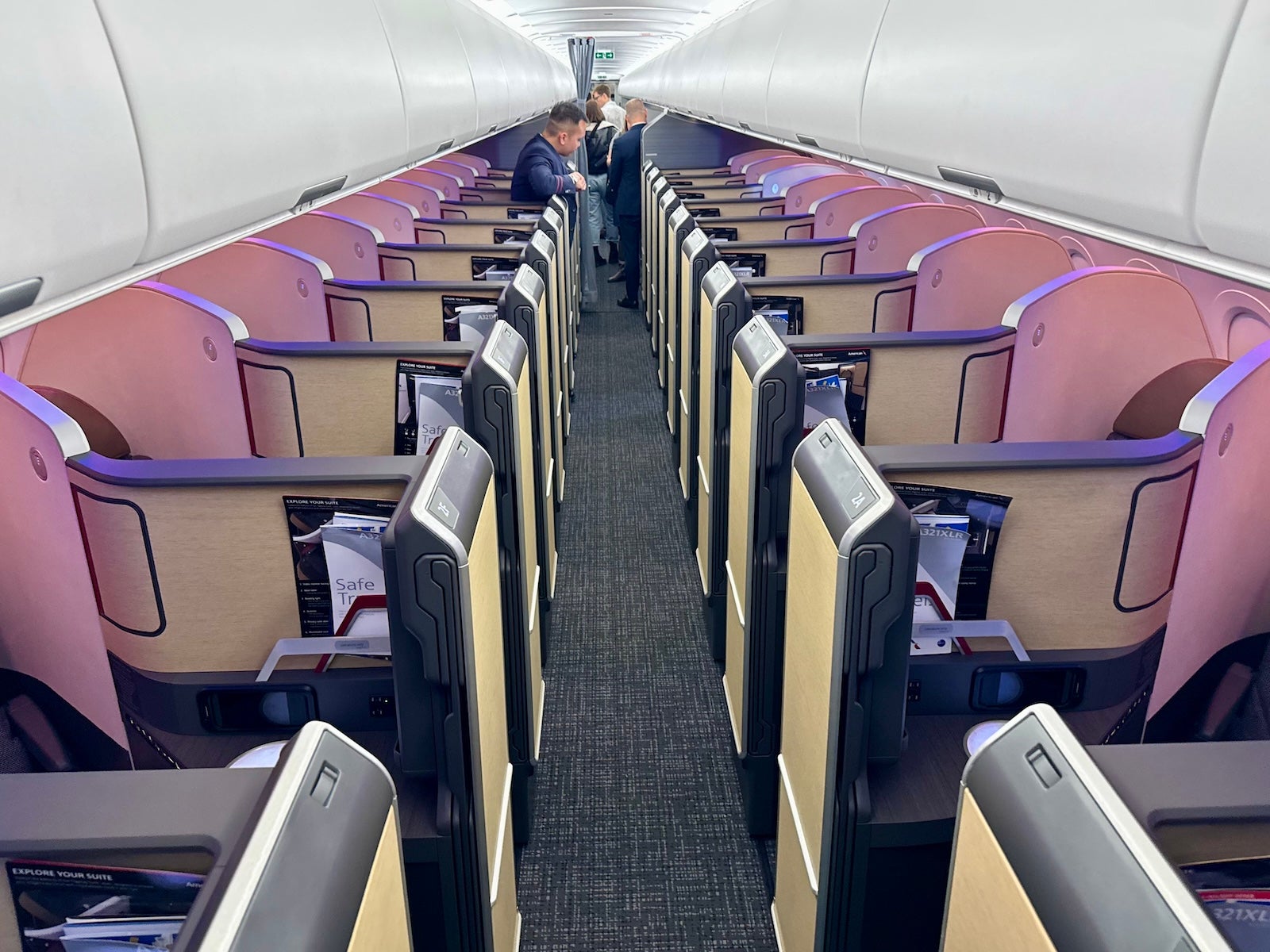
To truly grasp the magnitude of this corporate maneuver, one must examine the modern aircraft cabin not merely as a collection of seats, but as a carefully tiered caste system of comfort. In recent years, domestic routes have witnessed the proliferation of widebody aircraft and specialized narrowbodies equipped with three distinct service tiers: economy, premium economy, and flagship business or first class. Under the legacy paradigm, elite status members could often cast a wide net, occasionally reeling in a luxurious lie-flat business seat on transcontinental or select heavy-hustle domestic runs.
Now, the airline is pulling up the drawbridge on those premium cabins. The newly minted policy acts as an ironclad velvet rope. Premium economy—a hybrid purgatory of wider seats, enhanced legroom, and slightly elevated dining that bridges the chasm between coach and first class—is now the designated ceiling for complimentary status-based upgrades. For many frequent flyers, this transition feels akin to trading a royal banquet for a well-appointed picnic. Yet, from the perspective of airline revenue management, it is a masterclass in asset optimization, protecting high-yield revenue seats from being cannibalized by complimentary upgrades.
Metaphors of Modern Aviation: Navigating the New Altitude
Aviation has always been a realm where engineering meets aspiration, and changes to loyalty programs strike at the very heart of the frequent flyer’s psyche. Consider the status quo of the past as a lavish garden where elite members could freely pluck the ripest fruit from the highest branches. The new policy, by contrast, acts as a diligent gardener pruning the orchard, ensuring that every piece of fruit has a designated price tag attached to it. Premium economy is no longer just an intermediate step; it has solidified its position as the new frontier of corporate compromise.
For the traveler, stepping onto the aircraft under these revised guidelines can feel like watching the horizon shift just as you thought you were reaching it. The promise of the upgrade remains, like a mirage shimmering on the tarmac, but its texture has fundamentally changed. The plush, cocoon-like embrace of a true business-class suite is retreating further behind a financial firewall, reserved strictly for cash-paying customers or those willing to spend a significant bounty of mileage currency. The era of the effortless, complimentary ascent to the pinnacle of domestic luxury is fading into the twilight, replaced by a more pragmatic, segmented approach to the geography of the airplane cabin.
Strategic Implications for the Frequent Flyer Ecosystem
As this policy takes root across the domestic network, frequent flyers must fundamentally recalibrate their expectations and mileage strategies. The currency of elite status is undergoing a subtle devaluation, forcing loyalists to weigh whether the annual ritual of chasing status still yields a sufficient return on investment. When the ultimate reward at the top of the mountain is no longer a guaranteed taste of business-class opulence, the psychological contract between airline and passenger is inevitably strained.
Ultimately, American Airlines is betting that the allure of extra legroom, priority boarding, and dedicated overhead bin space in premium economy will remain a sufficient carrot to keep loyalty programs buzzing with activity. Whether this high-stakes gamble pays off or alienates the carrier’s most vocal advocates remains to be written in the flight logs of tomorrow. One thing, however, is abundantly clear: the map of the friendly skies has been redrawn, and the journey toward comfort now demands a new set of navigation skills.