
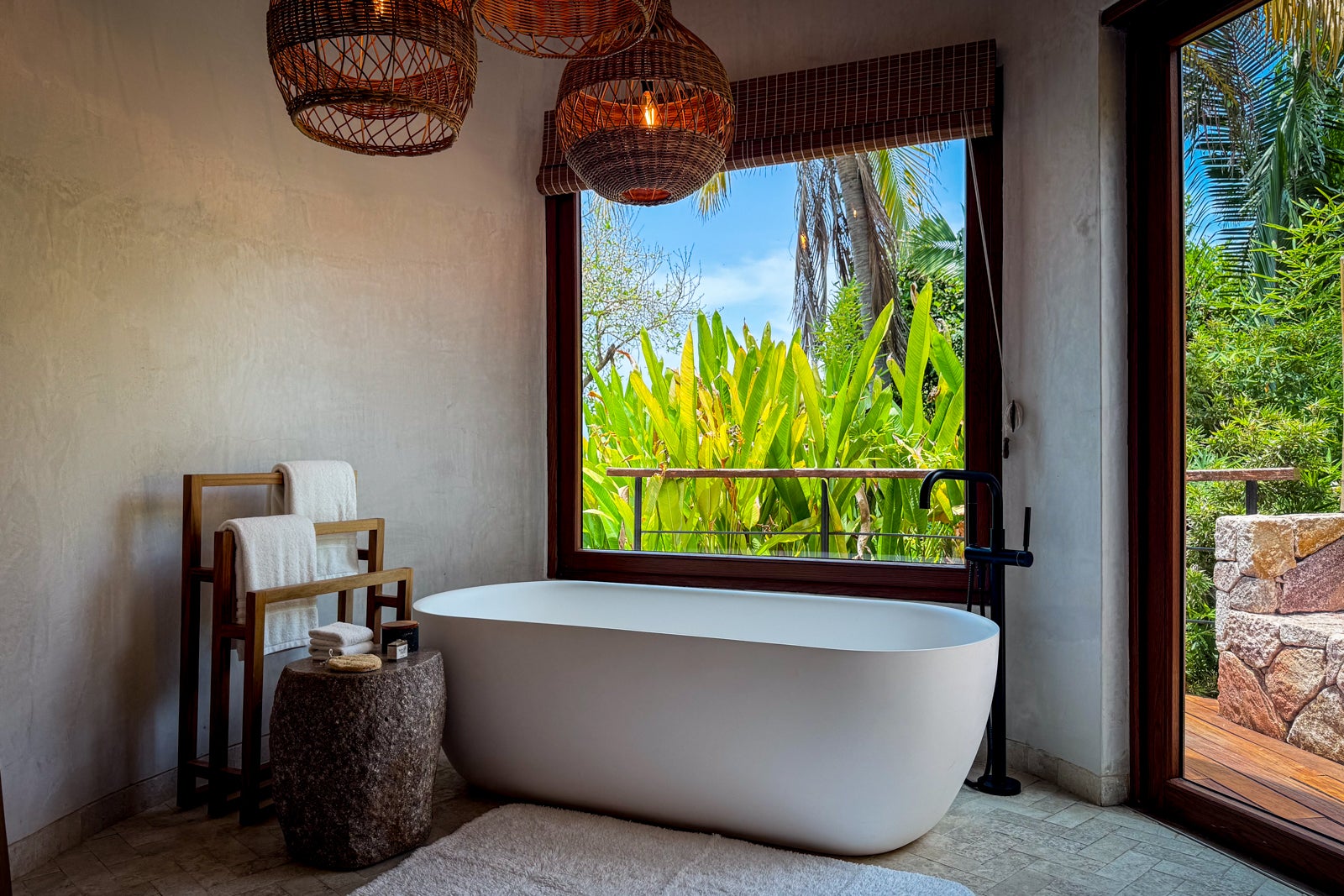
The contemporary hospitality landscape frequently showcases innovative design, striving for unique guest experiences. While aesthetic appeal is undeniable and often a significant draw, a discernible trend towards certain design choices is emerging that, while perhaps visually striking, often detracts from fundamental guest comfort and practicality. This analysis delves into common design decisions that, from a guest perspective, warrant a re-evaluation by the industry, highlighting areas where form has perhaps overshadowed function, leading to guest inconvenience rather than enhanced enjoyment.
The Ubiquitous “Peekaboo” Bathroom Window or Glass Wall
Few design elements have generated as much guest consternation as the bathroom featuring partial or full glass partitions or strategically placed peekaboo windows. While often intended to create an illusion of spaciousness or to provide natural light, the reality is frequently an acute lack of privacy. Whether it’s a transparent section overlooking the sleeping area or an entirely glass-enclosed shower, this trend undermines the fundamental need for personal space and discretion within a hotel room. It forces an uncomfortable intimacy that is rarely desired, particularly for those sharing a room with colleagues, friends, or even family members who prefer a clear demarcation. The perceived stylishness often comes at the direct expense of guest comfort, leading to awkward moments and diminished relaxation.
The Neglected Workspace: From Desk to Discomfort
In an era where business and leisure travel frequently merge, and remote work is increasingly common, the absence of a functional workspace is a significant oversight. Modern hotel rooms often feature a small, decorative table barely large enough for a laptop, paired with an uncomfortable stool or a lounge chair entirely unsuitable for extended periods of work. Essential elements like ample, adjustable task lighting, conveniently located power outlets, and an ergonomic chair are frequently overlooked. This forces guests to work in awkward positions, often on the bed or floor, hindering productivity and comfort. The assumption that all guests are solely vacationing overlooks the pervasive need for a dedicated and practical area to handle emails, attend virtual meetings, or simply organize travel documents efficiently.
The Enigma of Insufficient and Confusing Lighting Schemes
A prevalent issue in many contemporary hotel rooms is the perplexing array of lighting options—or lack thereof. Guests often encounter rooms that are either perpetually dim, despite multiple fixtures, or equipped with a complex panel of switches that defy intuitive understanding. The absence of sufficient task lighting, especially near the bed for reading or at the aforementioned workspace, is a common complaint. Furthermore, the trend of prioritizing aesthetic mood lighting over practical illumination leaves guests struggling with basic tasks like applying makeup, reading, or packing, underscoring a prioritization of ambiance over essential functionality. Simple, clearly labeled, and effective lighting options are paramount for a comfortable stay.
The Tyranny of the Immobile Television
Many modern hotel rooms feature large flat-screen televisions mounted flush against a wall, often seemingly fixed in position. While visually appealing and space-saving, this often means the screen is not optimally viewable from all areas of the room, particularly the bed. The inability to angle, tilt, or swivel the screen significantly reduces flexibility and forces guests into awkward viewing positions. This simple ergonomic oversight impacts entertainment value and overall guest comfort, especially in rooms with unusual layouts or where the bed is not directly facing the wall-mounted screen. A television, while secondary to sleep, should at least be adaptable to the guest’s preferred viewing angle.
The Scarcity of Convenient Power Outlets and USB Ports
In our hyper-connected world, travelers carry multiple electronic devices, from smartphones and tablets to laptops and e-readers. Yet, many hotel rooms continue to offer a sparse and inconvenient arrangement of power outlets. Essential locations, such as beside the bed for phone charging or near the desk for laptops, are often underserved. While USB ports are becoming more common, a lack of traditional AC outlets necessitates adapters or leaves guests struggling to power all their devices simultaneously. This forces guests to unplug lamps, search for hidden outlets, or move furniture, disrupting the room’s intended setup and adding an unnecessary layer of frustration to their stay.
The Overabundance of Decorative Pillows
While a certain level of plushness and comfort is appreciated, some hotels seem to employ an excessive number of decorative pillows. Guests are often greeted by a bed laden with four or more non-functional cushions that must be removed and stored each night, only to be replaced in the morning. These pillows often serve no practical purpose beyond initial visual appeal, consuming valuable space and adding an unnecessary chore to the nightly routine. A judicious selection that balances aesthetics with functionality, perhaps with a maximum of two decorative elements, would be far more beneficial, reducing clutter and simplifying the guest experience.
Impractical Wardrobe Solutions: The Open Closet Concept
Driven by a desire for minimalist design and perceived openness, many hotels are adopting open-concept wardrobes or shelving units in lieu of traditional enclosed closets. While this might suit short stays with minimal luggage, it creates practical issues for longer visits. Clothes are exposed to dust, visible clutter can diminish the room’s aesthetic, and there’s a distinct lack of privacy for personal belongings. The absence of proper hanging space, sufficient drawers, or a safe enclosure undermines the utility of a wardrobe, leaving guests to live out of their suitcases and struggle to maintain an organized living space within the room.
The Missing Full-Length Mirror
It might seem a minor detail, but the absence of a full-length mirror is a surprisingly common and frustrating omission in many contemporary hotel rooms. Guests, particularly those preparing for business meetings, social events, or simply wanting to ensure their outfit is presentable, rely on a full view of their attire. The small vanity mirrors in bathrooms are often insufficient for this purpose, offering only a partial reflection. Providing a full-length mirror is a simple, cost-effective addition that significantly enhances the guest experience, demonstrating attention to practical needs and convenience without compromising design.
Unintuitive and Overly Complicated Room Controls
From thermostats with cryptic symbols to integrated control panels for lighting, climate, and blinds that require a manual to operate, technology in hotel rooms can sometimes hinder more than it helps. The quest for “smart rooms” often results in systems that are far from intuitive. Guests on a short stay prefer ease of use over complex features they may never master during their brief visit. Simplicity and clear labeling for essential controls, especially for climate and lighting, are paramount. Technology should streamline the guest experience, not introduce a learning curve or unnecessary frustration.
The Awkward Shower-Tub Combination and Water Splash Zones
Many hotels opt for a combined shower and bathtub unit, often with a half-glass screen or a poorly positioned curtain that fails to extend adequately. This frequently leads to water splashing out onto the bathroom floor, creating a slip hazard and an untidy mess. The design choice prioritizes a sleek appearance over practical water containment, resulting in an uncomfortable and potentially unsafe showering experience. A full-length shower screen or a well-designed, weighted curtain that actually prevents water escape is a simple, yet crucial, functional improvement that significantly enhances both safety and cleanliness within the bathroom space.
While the pursuit of distinctive design is commendable, the enduring success of a hotel ultimately rests on the comfort, convenience, and functionality it offers its guests. The aforementioned design trends, while sometimes aesthetically pleasing, consistently surface as points of friction in the guest experience. By prioritizing practical needs and intuitive functionality alongside visual appeal, the hospitality industry can cultivate spaces that truly resonate with and serve the modern traveler, fostering loyalty through thoughtful and guest-centric design that understands and anticipates the needs of its patrons.