A Nation’s Hesitant Embrace
Before the summer of 1994, the landscape of American sports was dominated by familiar titans: American football, basketball, and baseball. Soccer, or football as it is globally recognized, occupied a peripheral space, a niche interest for a dedicated few, largely overshadowed by its more established counterparts. It was a sport that many Americans knew of but few truly understood or actively followed. The notion of a nation captivated by the ebb and flow of a soccer match seemed, at best, a distant aspiration. Yet, beneath this surface of relative indifference lay the potential for a seismic shift, a transformation that the upcoming 1994 FIFA World Cup, hosted on American soil, was poised to initiate.
The Tournament’s Grand Opening: A Fiery Debut
The tournament commenced under the sweltering gaze of a Chicago sun. On a scorching afternoon, the air thick with anticipation, 63,000 spectators, a testament to the growing interest, converged upon Soldier Field. Among the assembled crowd was a figure of considerable national significance: then-President Bill Clinton, whose presence underscored the burgeoning importance of the event and the United States’ commitment to hosting it on a grand scale. This opening match, a sell-out affair, was more than just a sporting spectacle; it was a symbolic declaration. It signaled that America was ready to engage with the world’s most popular sport, not just as a host, but as a participant in its global celebration.
Behind the Scenes: Crafting a Legacy
The question that lingered for many observers was: how did a nation, previously lukewarm towards soccer, embrace this tournament with such enthusiasm and ultimately deem it a resounding success? The answer lies in a confluence of strategic planning, cultural resonance, and sheer sporting drama.
The United States, having been awarded the hosting rights in 1988, recognized the immense opportunity. This was not merely about staging matches; it was about showcasing the sport to a new audience and fostering a lasting connection. The organizing committee embarked on a comprehensive strategy that aimed to:
- Maximize Accessibility: Efforts were made to ensure that matches were held in major cities across the country, utilizing iconic stadiums that were already familiar to American sports fans. This geographical spread aimed to reach a broader demographic and demystify the sport.
- Promote the Global Narrative: The World Cup is inherently a global event. The media coverage emphasized the international flavor, the diverse cultures represented, and the inherent drama of a tournament where national pride is on the line. This appealed to a sense of global citizenship and the excitement of experiencing something truly international.
- Leverage Star Power: While American talent was still developing, the tournament attracted global superstars. Their presence and skillful displays captivated audiences, providing tangible examples of the sport’s beauty and excitement.
- Create a Festival Atmosphere: Beyond the ninety minutes on the pitch, the World Cup became a cultural phenomenon. Fan zones, international food stalls, and pre- and post-match entertainment transformed the surrounding areas into vibrant celebrations, making attendance an enjoyable experience for families and casual observers alike.
Moments That Etched Themselves in History
The 1994 World Cup was not without its dramatic moments, both on and off the field, that cemented its place in American sporting folklore. One of the most poignant examples was the tragic passing of Colombian defender Andrés Escobar, whose own goal in a match against the United States led to his murder upon returning home. While a dark chapter, it highlighted the intense passion and stakes involved in the sport globally, and the incident garnered significant international media attention, further embedding the World Cup in the global consciousness.
On the field, the tournament delivered thrilling contests. The United States national team, while not a perennial contender, defied expectations with spirited performances, reaching the knockout stages. Their underdog spirit resonated with American audiences, proving that even a developing soccer nation could compete and inspire.
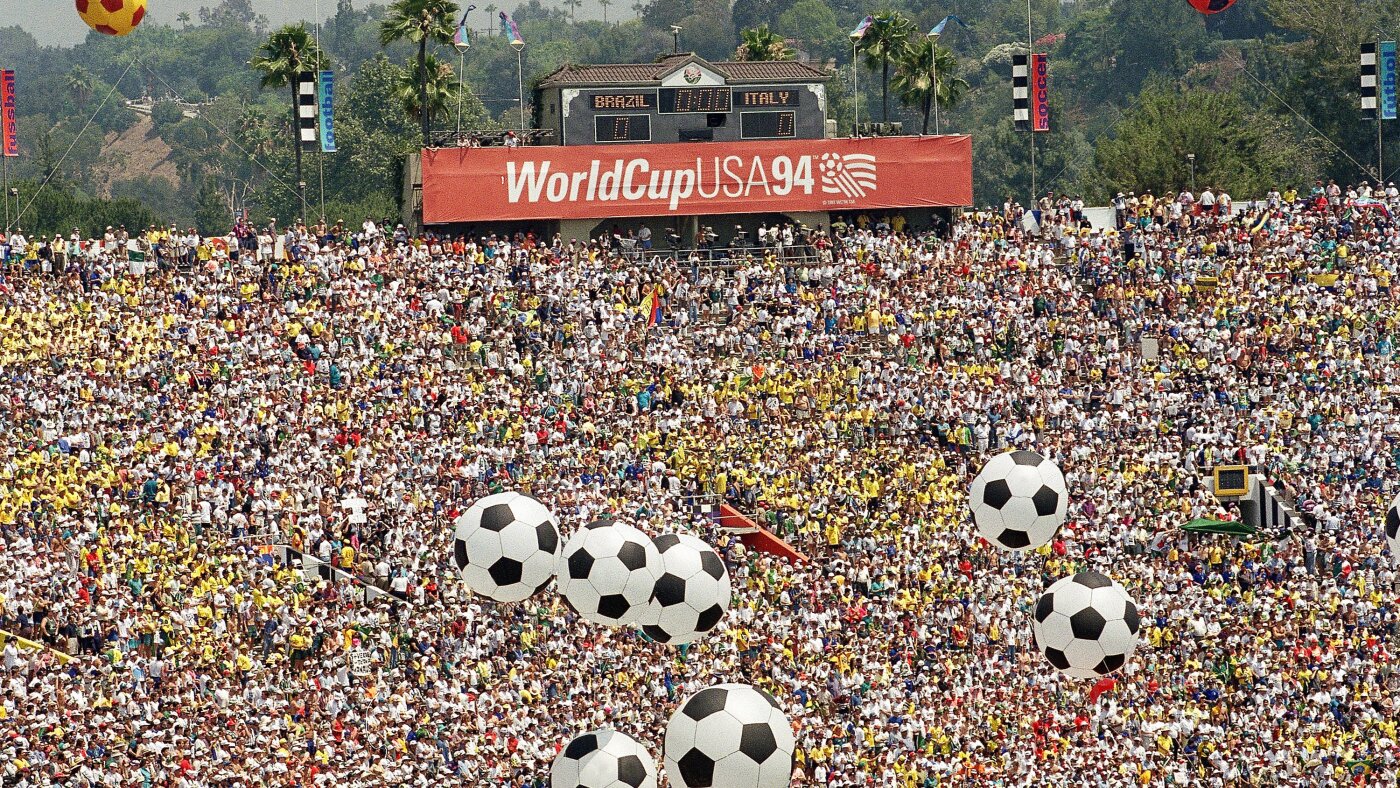
The final match itself, held at the Rose Bowl in Pasadena, California, pitted Brazil against Italy. The match ended in a historic penalty shootout, a tense and nail-biting conclusion that captivated millions. Brazil emerged victorious, but the drama and spectacle of the final ensured that even those who were not ardent soccer fans were drawn into the excitement.
The Enduring Impact: A Love Affair Kindled
The resounding success of the 1994 World Cup was undeniable. It transcended mere statistics; it represented a cultural awakening. The tournament served as a powerful catalyst, igniting a passion for soccer that had previously smoldered beneath the surface. It introduced millions of Americans to the intricacies of the game, the emotional rollercoaster of supporting a team, and the global appeal of football. This was the moment when America’s hesitant acquaintance with soccer blossomed into a genuine, and enduring, love affair, laying the groundwork for the sport’s continued growth and increasing popularity in the United States in the decades that followed.
To stay up-to-date with the ongoing World Cup saga, one can refer to the informative “Up First” newsletter, which provides timely updates and insightful analysis.