
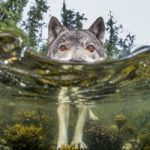
Picking the single “most unusual” animal is impossible; it’s entirely subjective! However, the world is teeming with creatures that defy easy categorization. Let’s explore a few contenders, highlighting their unique adaptations and where you might (with significant effort!) encounter them:
Platypus: This Australian marvel is a semi-aquatic mammal laying eggs – a truly unique combination. Its bill, used for electroreception to locate prey, is a marvel of evolution. To see a platypus in the wild requires visiting eastern Australia, specifically areas with clean, slow-moving waterways like rivers and streams.
Narwhal: The “unicorn of the sea,” this Arctic whale boasts a prominent tusk (actually an elongated tooth). While sightings are possible on Arctic expeditions, witnessing a narwhal requires significant planning, specialized equipment, and often a considerable amount of luck, primarily in the waters around Greenland and Canada.
Tarsier: These tiny primates, found in Southeast Asia, are characterized by their enormous eyes and incredibly long fingers and toes, perfect for navigating dense forests. Travel to islands like Borneo and the Philippines demands preparation and respect for local environments.
Shoebill: This large wading bird, found in East Africa’s swamps and wetlands, is a sight to behold, with its distinctive “shoebill” beak. Birdwatching safaris in South Sudan and Uganda offer the best chance of encountering this unusual avian.
Leafy Sea Dragon: Found off the coast of Australia, this master of camouflage blends seamlessly with seaweed. Snorkeling or diving tours along the southern and western coasts of Australia offer opportunities, but sightings aren’t guaranteed. Patience and a keen eye are essential.
Venezuelan Poodle Moth: This surprisingly fluffy moth is exceptionally rare, with only a single photograph documented. Its habitat remains largely unknown, rendering a sighting highly improbable, even for experienced entomologists.
Pangolin: These scaly anteaters are found across Africa and Asia, but are critically endangered due to poaching for their scales. Ethical wildlife tours in suitable regions of Africa and Asia could offer glimpses, but it’s vital to ensure such tours prioritize conservation and avoid contributing to illegal trade.
Kakapo: This flightless, nocturnal parrot is endemic to New Zealand, and critically endangered. Guided tours to specific islands in New Zealand are offered, but permits are required, and access is strictly controlled to protect these fascinating birds.
Important Note: Responsible travel is crucial when seeking out these incredible animals. Support ethical tourism operators who prioritize conservation and sustainable practices, and always respect the animals’ habitats and local regulations.
What is the rarest animal to encounter?
Pinpointing the rarest animal to encounter is tricky, but two rhino species are strong contenders for the title of rarest land mammal. The Javan rhino, sadly, takes the crown for sheer endangerment. The World Wildlife Fund (WWF) labels it the most threatened of the five rhino species, primarily due to relentless poaching. Their numbers are critically low, with a population estimated at around 70 individuals clinging to survival within the confines of Ujung Kulon National Park in Java, Indonesia. This makes a sighting incredibly rare, a truly once-in-a-lifetime experience for the exceptionally lucky. Ujung Kulon itself is a remarkable place, a volcanic landscape teeming with unique biodiversity, but access is strictly controlled to protect the rhinos. Planning a trip requires significant research and collaboration with local conservation groups; permits are difficult to obtain, and the journey to the park is often arduous. While observing Javan rhinos might seem like a thrilling adventure, remember that responsible wildlife tourism is paramount. Your presence shouldn’t disrupt their fragile habitat or contribute to the very threats that drive them toward extinction. The experience of potentially seeing one is far outweighed by the importance of protecting their future. The other contender for this title, while potentially more numerous, is incredibly elusive and found in similarly remote and challenging habitats. Successfully spotting either species requires more than luck; it requires careful planning, respect, and a deep understanding of the conservation efforts underway.
What is the most extraordinary animal in the world?
Picking the single most extraordinary animal is impossible; nature’s brilliance is too diverse. But let’s explore six contenders, each a marvel in its own right.
Green Anaconda: Forget your average snake. The green anaconda, Eunectes murinus, reigns supreme as the world’s heaviest snake. I’ve encountered them in the Amazon – the sheer power and size are breathtaking. Their ambush predation strategy is fascinating, relying on constriction rather than venom. These incredible constrictors can grow up to 30 feet long and weigh over 500 pounds. Remember to keep a respectful distance!
Platypus: This Australian enigma defies classification. A semi-aquatic mammal laying eggs? Sporting a bill like a duck, a tail like a beaver, and venomous spurs? They’re truly bizarre and wonderfully adapted to their environment. I’ve been lucky enough to see them during my travels – their fur is surprisingly dense, perfect for insulation in chilly waters. Their electroreception, allowing them to detect prey underwater, is another incredible evolutionary feat.
Naked Mole Rat: Ugly? Absolutely. Extraordinary? Undeniably. These eusocial rodents, found in East Africa, live in complex underground colonies with a queen and a caste system reminiscent of insects. They’re remarkably resistant to cancer and can survive for extended periods without oxygen. Observing their societal structures is a fascinating insight into the diversity of animal life. Their adaptation to harsh environments is unparalleled.
Mantis Shrimp: This tiny crustacean packs a punch far beyond its size. Its incredibly powerful claws can deliver a blow with the force of a .22 caliber bullet, shattering aquarium glass. Their complex eyes boast unparalleled visual capabilities, detecting polarized light and a wider spectrum of colors than humans. A truly remarkable example of miniaturization in nature.
Sun Bear: The smallest bear species, the sun bear (Helarctos malayanus), is a stealthy inhabitant of Southeast Asian rainforests. Their distinctive chest markings and small size make them easily recognizable. I’ve tracked them through dense jungle – their agility and nocturnal habits make them elusive but rewarding to observe. Their adaptability to diverse habitats is a testament to their evolutionary success.
Dung Beetle: Often overlooked, dung beetles play a crucial role in ecosystems worldwide. Their ability to navigate using the Milky Way, their incredible strength relative to their size, and their role in nutrient cycling make them unsung heroes of the natural world. Witnessing their tireless work in the African savanna was a humbling experience. Their ecological importance is often underestimated.
What is the most unusual pet in the world?
Ah, the most unusual pet? That’s a question that depends entirely on one’s perspective, wouldn’t you agree? But let me regale you with a few candidates from my own globe-trotting adventures. My encounters have led me to some truly remarkable companions.
Consider the capybara, a rodent of astonishing size and remarkably docile nature. I’ve seen them in the Pantanal, practically swimming with the caimans, completely unfazed. Their semi-aquatic lifestyle makes them surprisingly low-maintenance, but their sheer size requires considerable space.
Then there’s the fennec fox, a desert dweller with ears larger than its head. Their adaptability to arid climates is impressive, but their high-energy levels and specific dietary needs necessitate careful planning. Their charm, however, is undeniable.
Squirrel monkeys, tiny bundles of vibrant energy, are captivating, but their demanding social needs and susceptibility to stress make them unsuitable for the inexperienced pet owner. Their native Amazonian habitats offer stark contrasts to even the most meticulously designed enclosures.
Stick insects? Masters of camouflage, they offer a fascinating glimpse into the wonders of natural mimicry, requiring a humid environment and a diet of specific foliage.
Hedgehogs, while gaining popularity, require specialist care, encompassing temperature control and careful handling to avoid injury from their quills.
Skunks? Well, let’s just say their defense mechanism necessitates specific training and a high level of responsibility. The pungent aroma is certainly memorable!
Pygmy goats, adorable in their miniature stature, are surprisingly hardy. However, their playful nature can lead to unexpected mischief.
Finally, the spotted genet, a sleek and elusive carnivore. These creatures require an experienced hand, a substantial enclosure, and a carefully planned diet. Their nocturnal habits are a consideration for those accustomed to diurnal routines.
Which is the most mysterious animal?
The title of “most mysterious animal” is subjective, of course, but several contenders spring to mind from my years traversing the globe. The elusive Canada lynx, with its snowshoe-like paws and haunting gaze, remains a creature of the deep woods, its population dynamics still imperfectly understood. Then there’s the okapi, a forest-dwelling relative of the giraffe, its striped legs a camouflage masterpiece in the dappled shade of the Congo Basin. Imagine my surprise encountering its shy, reclusive nature. The Mexican burrowing toad, a master of subterfuge, practically vanishes beneath the earth’s surface, its life cycle largely a mystery. The pangolin, with its armored scales and nocturnal habits, remains vulnerable to poaching despite its unique defense mechanisms. Its unique scales, made of keratin like our fingernails, are tragically sought after. The platypus, a creature seemingly assembled from spare parts – a duck bill, otter body, and beaver tail – continues to defy easy categorization. And let’s not forget the iconic giant panda, its bamboo diet and low reproductive rate a constant concern for conservationists. Finally, the black rhino, sadly, remains a creature shrouded in the shadow of near extinction, its secretive nature now further compounded by the threat of poaching. Each of these animals presents a unique enigma, a testament to nature’s boundless capacity for surprise.
What is the most interesting creature on earth?
Forget the elusive Yeti or the mythical unicorn; the most fascinating creature on Earth might just be the immortal jellyfish, Turritopsis dohrnii. I’ve explored the deepest trenches and the highest peaks, but nothing prepared me for this marvel of the ocean. Found in temperate and tropical waters worldwide, this tiny creature possesses an almost unbelievable ability: biological immortality. After reaching sexual maturity, it can revert to its polyp stage, essentially restarting its life cycle. This process, called transdifferentiation, allows it to bypass death indefinitely, theoretically making it biologically immortal.
But what makes this truly captivating? It’s not simply the immortality. It’s the implications for aging research. Scientists are intensely studying this jellyfish’s cellular mechanisms to understand how it achieves this feat, hoping to unlock secrets that could revolutionize human longevity and disease treatment. Imagine a world where age-related illnesses were a thing of the past – the immortal jellyfish offers a tantalizing glimpse of that possibility.
Practical advice for the intrepid explorer: Spotting these creatures is tricky. They’re incredibly small, often only a few millimeters across. Your best bet is to visit warmer waters – the Mediterranean Sea, for example – and explore shallow coastal areas with a strong magnifying glass. Though you probably won’t see them readily, just knowing these microscopic marvels exist adds a layer of magic to any ocean exploration.
Beyond the science: The immortal jellyfish invites us to contemplate the very nature of life and death. Its existence challenges our preconceived notions of aging and mortality, prompting reflection on the ultimate limits of biological possibility.

