
Okay, so when you’re out exploring the world, especially places with incredible nature, you often see conservation in action. What exactly is that ‘wildlife management’ stuff? It’s basically how we try to keep animal populations healthy and balanced, sometimes even helping them recover. From what I’ve seen on my travels, it takes many forms. Think about places where you encounter rare animals. Often, their very existence is thanks to dedicated efforts. Examples I’ve come across range from pretty direct interventions to much broader strategies: Bringing Back Species: I’ve visited centers where they have dedicated breeding programs for endangered animals. Seeing cubs or chicks being raised with the goal of releasing them back into the wild? Absolutely inspiring. It’s hands-on work to boost numbers. Balancing the Books (Population): Sometimes, it involves looking at things like adjusted hunting levels – not just letting anyone shoot anything, but carefully controlling numbers of certain species if they become too numerous and damage their own habitat or surrounding ecosystems. It’s controversial but can be a tool for maintaining overall balance in specific situations. The Big Picture: Habitat Protection: This is HUGE, and something you see everywhere from vast national parks to small reserves. Protecting an animal’s habitat – the land, the water, the forests they need to survive – is perhaps the most critical indirect action. No home, no wildlife. Exploring these protected areas shows you exactly why it’s so vital. Managing Relationships: Occasionally, management involves interventions like removing predators in specific, often isolated, environments where non-native predators might be wiping out vulnerable native prey that evolved without such threats (like island birds). It’s complex but necessary in certain ecological emergencies. Herd Health: And yes, sometimes it’s like public health for animals! You might see teams working on vaccinating individuals against disease, especially for species susceptible to outbreaks that could decimate a population. Protecting a few can save many.
What is a real life example of a successful conservation effort?
The California Condor is a truly remarkable conservation success story, one that resonates globally and demonstrates the power of dedicated action against seemingly insurmountable odds. As North America’s largest land bird, its majestic presence was nearly lost forever.
By the late 20th century, devastating factors like poaching, the widespread threat of lead poisoning from hunting ammunition consumed by scavenging birds, and the relentless march of habitat destruction had pushed the species to the absolute brink of extinction. The wild population plummeted to a mere 22 individuals in the 1980s.
Faced with this critical emergency, a bold and controversial decision was made: capture the remaining wild birds to establish a comprehensive captive breeding program. This intensive, multi-decade effort in zoos and conservation centers became the species’ lifeline.
Thanks to the tireless work of scientists and conservationists, the population has grown significantly. Today, the total number of California Condors, including those in captivity and those released back into carefully managed wild habitats across California, Arizona, Utah, and Baja California, exceeds 500.
While challenges remain, particularly addressing the ongoing threat of lead poisoning in their environment, the California Condor’s recovery from a population of just 22 individuals stands as a powerful, inspiring testament to what focused conservation intervention can achieve, proving that even the most dire situations can be turned around.
Who is the best wildlife conservation in the world?
Alright, look, when you travel and see conservation efforts firsthand, you quickly realize who the major players are. WWF (World Wide Fund for Nature) is definitely one of the biggest and most established. They’ve been at it since 1961, which is a long track record in this field.
They’re considered a leader because they work on a massive scale, not just focusing on one animal or park, but aiming to protect biodiversity and entire critical ecosystems globally. You’ll often see their involvement or hear about their projects in places vital for wildlife around the world.
Their work covers a lot of ground, including:
- Protecting habitats like forests, oceans, rivers, and grasslands that are essential for countless species.
- Working on the ground in areas popular with eco-tourists, often involving local communities in conservation efforts.
- Tackling major threats like habitat loss, climate change, and illegal wildlife trade globally.
So yeah, when you’re talking about major, long-term global wildlife conservation efforts, WWF is right there at the forefront.
Has the WWF been successful?
Absolutely. Navigating turbulent global currents and significant financial headwinds, WWF has demonstrated remarkable resilience and secured vital resources for conservation work.
This isn’t just about balance sheets; it’s about tangible impact on the ground, felt in the diverse landscapes I’ve witnessed firsthand, from the dense forests of Southeast Asia to the vast plains of Africa.
We’ve translated support into meaningful programmatic results: safeguarding iconic species facing extinction, expanding protected areas critical for biodiversity, and empowering communities on the front lines of environmental stewardship.
Impactful initiatives launched span crucial areas – from rigorous wildlife conservation efforts you can track, to vital marine education shaping future guardians of our oceans, and drawing essential lines in protecting irreplaceable forests and fragile aquatic ecosystems worldwide.
What are the 5 tools of wildlife management?
Seeing incredible wildlife encounters on my travels has taught me something profound: the ‘wild’ landscapes we cherish are often not just untouched nature, but actively shaped and stewarded places. The health of these ecosystems, and the chance to spot those elusive creatures, frequently relies on human management using what might seem like surprisingly basic tools.
Take the humble axe. Far from just clearing forests, its *strategic* use opens up canopy, lets light hit the forest floor, encouraging diverse undergrowth. Think of walking through woodlands with patches of young saplings and thickets – perfect cover and food sources created by targeted clearing. It’s about sculpting habitat, not just felling trees.
Or consider the cow and the plow. It sounds counter-intuitive if you only picture intensive farming. But *managed* grazing by livestock can mimic the effects of wild herbivores, maintaining open grasslands or savannas vital for many species you might hope to see – from bison in North America to antelopes in Africa (though different animals, the *principle* of grazing creating habitat applies). Similarly, sympathetically managed agricultural lands, with hedgerows and field margins, create rich ‘edge’ habitats that support everything from birds of prey to small mammals, blurring the lines between farm and wild.
Then there’s fire – one of the most powerful, and often misunderstood, tools. Prescribed burns clear out dense undergrowth, reduce the risk of catastrophic wildfires, and release nutrients back into the soil. Many ecosystems, from longleaf pine forests to tallgrass prairies, *depend* on regular fire cycles to thrive. Spotting lush new growth and abundant wildflowers just a season after a controlled burn is a powerful reminder of fire’s regenerative role in creating habitat.
Finally, the gun. Often the most controversial, yet a vital tool in managing wildlife populations. Regulated hunting or culling prevents overpopulation that can devastate habitat through over-browsing. It’s not just about harvesting; it’s about balancing animal numbers with the carrying capacity of the land, ensuring healthier populations overall. Plus, revenue from hunting licenses is a significant source of funding for conservation efforts in many places I’ve visited.
These aren’t just historical relics; they are active tools in the hands of stewards who understand that restoring habitat and increasing productivity often go hand-in-hand, creating the vibrant landscapes where wildlife can flourish – landscapes we are so lucky to explore.
Which scenario is an example of a wildlife management method?
Ah, from my extensive travels across wild lands, the most fundamental example of wildlife management is undoubtedly the act of counting the species themselves in a region. It’s not mere curiosity; it’s about understanding the pulse of the wilderness I encounter.
This crucial step of monitoring populations provides the essential data – the baseline – for any effective conservation or management decision. How else can we know if efforts are working, or where protection is most desperately needed, without knowing who and how many are there? It’s the bedrock of ensuring the wonders I’ve witnessed will endure for generations to come.
What is a real world example of conservation?
Okay, wanting a real-world conservation win? Amboseli National Park in Kenya is top of the list for any seasoned traveler who looks beyond just spotting animals.
It’s not just about protecting animals *inside* a fence (there isn’t much of a fence there, by the way). Amboseli is a prime example of successful cooperation between local Maasai communities and conservation groups. The land surrounding the park is crucial for wildlife, especially during dry seasons, so working *with* the people who live there is absolutely essential for the large mammal ecosystem to thrive.
When you’re there, seeing those enormous elephant herds with Kilimanjaro looming behind them – that incredible view is a direct result of this partnership holding. It shows you that conservation isn’t some abstract idea; it’s people and wildlife sharing a very fragile landscape.
Of course, it’s tough going. There are constant challenges like securing access to water, managing grazing rights, and dealing with human-wildlife conflict. That’s where the point about sustained, flexible outside support comes in. It’s not a one-off project; it needs continuous effort, funding, and adaptability to keep the system working.
And as a visitor, your presence matters. Choosing lodges or guides that are community-owned or directly support local initiatives helps make conservation economically viable for the people who share the land with the wildlife. You’re not just seeing elephants; you’re witnessing a living, breathing example of conservation challenges and successes.
What are some successful strategies or initiatives that have been implemented globally to conserve endangered species and their habitats?
As someone who explores the planet’s wild spaces, you encounter conservation efforts everywhere. Organizations globally are dedicated to protecting endangered and threatened species and their crucial habitats.
Key strategies include rescuing, rehabilitating, and releasing wild animals – often work done by centers that allow visitors or volunteers, providing a direct connection to wildlife recovery. They also translocate animals to establish new populations or boost existing ones in secure areas, essentially expanding the map for future wildlife sightings and creating new conservation strongholds.
Another vital approach is reconnecting fragmented landscapes, building corridors that allow animals to move freely between protected areas. This increases genetic diversity and ecosystem health, creating larger, more resilient regions for both wildlife and those who trek through them. Equally important is working with local communities to foster coexistence and sustainable livelihoods, often through conservation-focused tourism initiatives that directly benefit the species we hope to see.
Supporting responsible ecotourism is a powerful way individuals can contribute, providing essential funding and raising awareness for these global conservation initiatives implemented in the amazing parks and reserves we seek to experience.
What are examples of successful conservation efforts informed by ecological research?
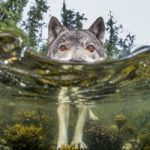
Ah, the gray wolf! A prime example of how understanding nature can bring back what was lost. Ecological research truly paved the way for its comeback.
The Recovery of the Gray Wolf: Yellowstone’s Success Story
The reintroduction of gray wolves to Yellowstone National Park is a textbook case. Here’s why:
- Ecological Research is Key: Extensive research highlighted the wolf’s critical role as a keystone predator. They help control elk populations, preventing overgrazing and allowing vegetation like aspen and willow to flourish.
- Trophic Cascade Effect: The wolf’s return initiated a trophic cascade. This means it had a ripple effect through the entire ecosystem, impacting everything from songbird populations to stream morphology. Elk were forced to move more, reducing their impact on riparian areas.
- Restoration of Balance: With fewer elk concentrated in vulnerable areas, beaver populations rebounded. Beavers, in turn, created wetlands, which provide habitat for countless other species.
More Than Just Wolves:
While Yellowstone is a standout example, consider these other successes guided by ecological research:
- California Condor Recovery: Research into the causes of their decline (lead poisoning) led to interventions like providing lead-free ammunition to hunters and captive breeding programs.
- Florida Panther Conservation: Genetic research identified the need for genetic restoration, leading to the introduction of Texas panthers to increase genetic diversity and reduce inbreeding.
- Coral Reef Restoration: Understanding coral spawning cycles and propagation techniques allows for active restoration efforts in degraded reefs.
Remember, it all starts with understanding the intricate web of life. Ecological research isn’t just science; it’s the foundation for effective conservation.
What is the big 5 wildlife conservation?
The term “Big Five” is deeply embedded in the lore of African wildlife safaris, designating five iconic and powerful animals: the lion, leopard, rhinoceros, elephant, and African buffalo. Far from referring to the largest animals, this group was originally identified by big-game hunters.
Historically, the “Big Five” moniker was assigned to the animals considered the most difficult and dangerous to hunt on foot. This challenge stemmed from their unpredictable nature, formidable defenses, or ability to ambush, making them the ultimate quarry for trophy hunters.
Today, the context has entirely shifted. For travelers and conservationists, the Big Five represent the quintessential African safari experience. They are the stars of game drives and photographic expeditions, symbolizing the grandeur of the continent’s natural heritage and driving significant tourism revenue, which is crucial for funding conservation initiatives across their habitats.
Sighting all five is often the ultimate quest for safari-goers, a rewarding challenge that highlights the unique characteristics of each species, from the lion’s regal presence to the leopard’s elusive stealth, the elephant’s immense intelligence, the rhino’s ancient power, and the buffalo’s formidable resilience.
What are the #1 most endangered animals in the world?
Having journeyed across continents, from the misty mountains of Africa to the dense jungles of Southeast Asia, I’ve seen incredible wildlife under immense pressure. Here are some of the planet’s most imperiled species, each a poignant reminder of nature’s fragility.
Javan Rhinos
These elusive giants, ghosts of Java’s forests, represent one of the rarest large mammals on Earth. With perhaps fewer than 80 individuals surviving exclusively in Ujung Kulon National Park, Indonesia, they are confined to a single, vulnerable population. Their primary threat remains their tiny numbers and potential disease, although intense anti-poaching efforts have significantly reduced that risk.
Amur Leopard
Enduring harsh winters on the borderlands of Russia and China, the Amur Leopard is the world’s rarest big cat. With only estimated dozens left in the wild, every individual is critical. Habitat loss due to logging and human encroachment, coupled with poaching and the scarcity of their prey, push this beautiful, resilient predator towards extinction.
Sunda Island Tiger
Roamers of Sumatra’s shrinking rainforests, these tigers face relentless pressure. Deforestation for palm oil plantations and pulpwood, alongside poaching for their body parts, has fragmented their habitat and reduced their numbers drastically. Seeing one of these powerful, striped predators in its natural Sumatran home is an increasingly rare privilege.
Mountain Gorillas
A conservation success story, though still critically endangered. Found in the cloud forests of the Virunga Massif and Uganda’s Bwindi, their numbers have slowly risen thanks to dedicated conservationists, anti-poaching patrols, and responsible tourism. Yet, habitat encroachment, disease transmission from humans, and political instability in the region remain constant threats to these gentle giants.
Tapanuli Orangutan
Only identified as a distinct species in 2017, the Tapanuli Orangutan of North Sumatra immediately became the most endangered great ape. With a tiny, isolated population of likely fewer than 800 individuals, they are highly vulnerable to any habitat disturbance, including planned hydroelectric projects, agricultural expansion, and illegal logging.
Yangtze Finless Porpoise
Known affectionately as the “smiling angel” of the Yangtze River, this unique freshwater porpoise is the last remaining cetacean species in this mighty Chinese waterway. Industrial pollution, heavy shipping traffic, sand dredging, and unsustainable fishing practices have decimated their numbers, leaving them on the brink of disappearing forever from the river they call home.
Black Rhinos
Once widespread across sub-Saharan Africa, the Black Rhino population plummeted by 98% between 1960 and 1995 due to rampant poaching for their horns. While conservation efforts have helped numbers recover slightly in recent years, they remain critically endangered, a stark symbol of the devastating impact of the illegal wildlife trade.
African Forest Elephant
Often overlooked compared to their savanna cousins, these smaller, straighter-tusked elephants inhabit the dense forests of Central and West Africa. They play a crucial role in dispersing seeds and shaping the forest ecosystem. Unfortunately, they have been particularly hard hit by poaching for their ivory and face severe habitat loss, making them critically endangered.
What are WWF achievements?
WWF’s Operation Tiger was a game-changer, the first big global push to save an entire species across its range. It led directly to India’s Project Tiger, a pioneering national conservation plan.
This project was seriously effective! With new tiger reserves and a focused effort, India saw its tiger population jump by 30% in just seven years. That incredible success story is why we can now visit amazing places like Ranthambore, Bandhavgarh, Kanha, and Corbett National Parks for thrilling wildlife safaris and get a chance to see these magnificent tigers in the wild. It’s proof that conservation creates fantastic opportunities for adventurous travellers to experience nature firsthand.
Who is the father of wildlife management?
Aldo Leopold, without a doubt, earns the title of the “Father of Wildlife Management.” He wasn’t just some academic; he was a boots-on-the-ground forester, a deep-thinking philosopher, a passionate conservationist, and an inspiring educator – a rare combination that allowed him to revolutionize how we think about and interact with the natural world.
His seminal work, “Game Management,” published back in 1933, laid the groundwork for the entire field. It wasn’t just about hunting; it was about understanding the intricate relationships within ecosystems and managing wildlife populations based on sound ecological principles. Imagine trying to navigate the complexities of wildlife conservation without that foundational text – it’s like trying to trek through uncharted territory without a map!
But Leopold’s influence extends far beyond a single book. He introduced the concept of a “land ethic,” a revolutionary idea at the time. It shifted the focus from simply exploiting natural resources to recognizing our moral responsibility to the land and its inhabitants. Think of it as a code of conduct for our relationship with nature – a guideline for sustainable co-existence.
Leopold’s research, particularly his work in the Midwest, provided invaluable insights into the impact of human activities on ecosystems. His studies highlighted the delicate balance of nature and the need for proactive conservation efforts. He didn’t just theorize; he went out into the field, observed, and learned, laying the scientific foundation for modern wildlife ecology.
He also spearheaded the establishment of wildlife management as a formal academic discipline. His role as the first professor of game management at the University of Wisconsin was instrumental in training future generations of conservationists. Imagine the impact of shaping young minds, instilling in them a deep appreciation for the natural world and the tools to protect it – that’s a legacy that continues to ripple through the field today.
Beyond academia, Leopold was a powerful advocate for conservation, raising public awareness about the importance of protecting wildlife and managing natural resources sustainably. He understood that conservation wasn’t just a scientific or political issue; it was a cultural one. He connected with people through his writing and his passion, inspiring them to become stewards of the land.
Key Contributions:
“Game Management”: This 1933 book provided a comprehensive framework for managing wildlife populations, integrating ecological principles and scientific methods.
“Land Ethic”: Leopold’s concept emphasized the importance of ethical relationships between humans and the natural world, advocating for a holistic approach to conservation.
Pioneering Research: His work on wildlife populations in the Midwest laid the groundwork for modern wildlife ecology.
Educational Influence: Leopold’s professorship at the University of Wisconsin helped establish wildlife management as a formal academic discipline.
Champion of Conservation: Leopold’s writings and advocacy helped raise public awareness about the importance of wildlife conservation.
What are some three real world examples of the conservation of energy?
Through countless journeys and observations across diverse lands, I’ve come to appreciate the profound importance of conserving the energy that fuels our shared existence.
Just as you wouldn’t leave a precious campfire burning unnecessarily when you move on from a campsite, turning off the light upon leaving a room is a fundamental practice, preventing the needless consumption of power.
Leaving electrical devices plugged in when not actively used is akin to leaving your expedition’s power source idly draining – unplugging them conserves energy reserves, a simple yet impactful discipline observed in resource-conscious communities worldwide.
And choosing to walk or cycle rather than taking a vehicle? That’s the very essence of mindful travel, experiencing the world intimately while relying on your own energy and leaving a minimal trace on the path you traverse.
What is a real world example of environmental restoration?
Real-world environmental restoration projects are incredibly diverse, tackling damage and enhancing nature’s resilience across landscapes I’ve witnessed from bustling urban estuaries to remote mountain streams. They often involve a combination of scientific understanding and community effort.
- Creating and enhancing vital habitats: This isn’t just about setting aside land. It involves actively planting native species – trees, grasses, flowers – tailored to specific local ecosystems like adding structure to Fish and Wildlife Service Refuges, National Parks, state parks, and tribal lands. It’s about reconnecting fragmented patches, providing essential food, shelter, and breeding grounds to support a wider array of species, often seen in efforts to restore prairies, forests, or riparian zones.
- Controlling invasive species: One of the most critical steps I’ve seen globally. Aggressive non-native plants can choke out native flora, displacing wildlife. Introduced predators or insects can decimate vulnerable populations. Restoration involves strategic removal (manual, mechanical, or carefully targeted biological/chemical controls) followed by efforts to help native species reclaim their territory. It’s a constant battle to restore ecological balance.
- Improving fish passage in streams and rivers: Dams, culverts, and other barriers built for human infrastructure have fragmented countless river systems, blocking migratory fish like salmon, steelhead, or even eels essential to marine and freshwater food webs. Restoration includes building ‘fish ladders’ or ‘nature-like’ bypass channels, removing obsolete dams entirely, or upgrading culverts to allow fish to swim freely upstream to spawning grounds and back. This revitalizes entire river ecosystems.
- Constructing bird nesting islands: In areas where ground predators threaten nesting success, creating artificial islands provides safe havens. This is particularly important for colonial-nesting birds like terns, gulls, or pelicans. These projects often involve using dredged material to build elevated land masses in suitable water bodies, sometimes adding specific substrates or vegetation to attract target species and boost breeding success.
- Revitalizing crucial coastal and aquatic ecosystems: This category includes complex projects like restoring degraded wetlands (nature’s filters and flood control), replanting salt marshes (critical nurseries for fish and invertebrates, vital coastal protection), and restoring submerged aquatic vegetation like eelgrass beds (which provide habitat, improve water clarity, and stabilize sediments in estuaries and shallow coastal waters). These efforts often involve restoring natural hydrology, removing pollutants, and reintroducing key plant species.
What animal is no longer endangered?
When you ask about animals no longer on the endangered list, sometimes the answer isn’t a happy conservation success story. Tragically, some species are delisted because they’ve gone extinct. Exploring places where this has happened gives you a profound sense of loss, but also highlights the incredible importance of protecting the wildlife still with us.
Here are a few examples of species that have been removed from the Endangered Species Act list because they are now considered extinct, reminding us of what we’ve lost from some beautiful corners of the world:
Bachman’s warbler
Last seen in the wild in the 1980s, this small songbird was once found in the southeastern states, including Florida and South Carolina. Imagining the sound of this warbler now lost from the rich, diverse forests and swampy areas it inhabited makes you appreciate the remaining birdlife you might encounter when exploring these regions.
Bridled white-eye
This bird, endemic to the island of Guam (GU), was last confirmed in 1983. Guam’s native bird populations were uniquely vulnerable and faced devastating impacts, largely from the introduction of invasive species. Visiting Guam offers a stark look at the challenges island ecosystems face and makes the survival of other species there feel all the more precious.
Kauai akialoa
One of Hawaii’s fascinating honeycreepers, known for its distinctive curved bill, last seen on Kauai, HI in the 1960s. Hawaii’s islands host an array of incredibly unique species found nowhere else. Exploring the stunning landscapes of Kauai brings home the fragility of these isolated ecosystems and the historical pressures they’ve faced, leading to the loss of such specialized creatures.
Kauai nukupuu
Also from Kauai, HI, and another Hawaiian honeycreeper with a uniquely shaped bill. The last confirmed sighting of the Kauai nukupuu was much earlier, in 1899. This points to the long history of ecological change and loss in these island paradises. When you visit Hawaii, you see the incredible beauty but also the reminders of the delicate balance and the importance of ongoing conservation work to protect what remains.
Which is one of the most successful wildlife conservation ventures?
You know, when talking wildlife conservation success stories, you simply cannot skip mentioning Project Tiger in India. It’s a real game-changer.
Initiated in 1972, it was one of the first concerted efforts to protect the Bengal tiger, a magnificent beast, from extinction.
But Project Tiger isn’t just about tigers. Consider these points:
- It’s a holistic approach, recognizing that protecting the tiger also protects the entire forest ecosystem – think deer, monkeys, birds, and a vast array of plant life.
- Tiger reserves are biodiversity hotspots. They also are water catchment areas and crucial for the ecological balance of the region.
- The project has faced challenges – poaching, human-animal conflict, and habitat loss remain constant threats.
Currently, there are 53 designated tiger reserves across India, covering diverse habitats from the Himalayan foothills to the central Indian forests. Some of the better-known ones include:
- Jim Corbett National Park (Uttarakhand) – the oldest tiger reserve.
- Bandhavgarh National Park (Madhya Pradesh) – known for its high tiger density.
- Kanha National Park (Madhya Pradesh) – a beautiful park with a healthy tiger population.
If you’re planning a visit, remember that sustainable tourism practices are critical. Choose eco-friendly lodges, respect the park regulations, and support local communities to contribute positively to conservation efforts. A responsible approach ensures these majestic creatures, and their habitat, thrive for generations to come.
Why is Hippo not one of the big 5?
The “Big Five” of African game animals – lion, leopard, elephant, rhino, and buffalo – weren’t chosen based on their ferocity, but rather the difficulty and danger involved in hunting them back in the colonial era. Hippos, despite their reputation as Africa’s deadliest animal (claiming more human lives than any other large mammal), aren’t included because of specific logistical and tactical reasons.
- Habitat Limitation: Hippos are primarily aquatic. This confined them to rivers and lakes, making them less frequently encountered during typical safari hunts that focused on savannah and woodland environments.
- Hunting Method: While undeniably dangerous, hunting hippos often involved ambush tactics from boats, targeting them when they surfaced for air. This differed significantly from the tracking and pursuit on land that characterized the “Big Five” hunts.
- Trophy Value: Historically, the primary motivation for hunting the “Big Five” was acquiring valuable trophies like ivory, hides, and horns. Although hippo teeth have some value, they were not nearly as prized as elephant ivory or rhino horn.
So, while the hippo’s aggression and formidable strength are undeniable, its lifestyle and the methods used to hunt it didn’t align with the criteria that defined the “Big Five” as the ultimate hunting challenge.

