
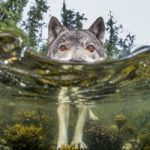
Okay, listen up, fellow adventurers! Ever wondered where our finned friends hang out? It’s not as simple as “just water,” folks. It’s all about the salinity – that’s saltiness, for those playing at home.
Freshwater Fanatics: Some fish are real sticklers for freshwater. We’re talking about those shimmering rivers, tranquil ponds, and even massive reservoirs. Think trout in a crystal-clear mountain stream, or bass lurking in a North American lake. These guys can’t handle the high salt content of the ocean. Imagine trying to drink the Dead Sea – not a good time!
Saltwater Souls: Then you have your ocean dwellers. Sharks patrolling coral reefs, vibrant clownfish nestled in anemones – they need that salty environment to survive. Their bodies are specifically designed to thrive in it. Try plopping a saltwater fish into a freshwater tank, and… well, it’s not pretty.
The Adaptable Adventurers: Now, here’s where it gets interesting! Some fish are total globetrotters, bouncing between saltwater and freshwater. These are the anadromous and catadromous species. Salmon, for example, hatch in freshwater rivers, migrate to the ocean to grow, and then return to their birthplace to spawn. Talk about a homecoming! Eels do the opposite, spending most of their lives in freshwater but heading to the ocean to breed. Nature is wild, right?
So, next time you’re gazing out at a body of water, remember it’s not just a pretty view – it’s a whole ecosystem, perfectly tailored for the fish that call it home. And that, my friends, is worth exploring!
What is the best fish to eat in fresh water?
Exploring the culinary delights found in fresh water is a rewarding part of travel. While the ocean offers vast variety, lakes, rivers, and streams provide unique flavors deeply tied to regional cultures and ecosystems. Here are some freshwater catches that consistently stand out for their taste, drawing anglers and food lovers alike across various landscapes.
Walleye: A true gem of cooler northern waters, particularly around the Great Lakes and throughout Canada and the northern US. Known for its delicate, flaky, and remarkably mild white flesh, it’s often considered one of the finest eating freshwater fish available. Pan-fried to a golden crisp is a classic preparation that lets its subtle flavor shine. It’s also a highly prized sport fish, adding to the appeal for those who enjoy catching their dinner in scenic, often remote, locations.
Crappie: Often dubbed a “panfish” due to its size and the common method of cooking it whole in a pan, crappie is incredibly popular across much of the United States. Abundant and relatively easy to catch, they offer firm, sweet, white meat. A traditional fish fry, where crappie fillets are coated in cornmeal and deep-fried, is a beloved communal event in many areas, showcasing this fish at its simple, delicious best.
Catfish: An icon of Southern cuisine, particularly prevalent in the major river systems of the US. While wild catfish have a distinct flavor, farm-raised varieties are widely available and prized for their consistently mild, slightly sweet, and firm flesh. Deep-fried catfish, served with hushpuppies, coleslaw, and all the fixings, is a quintessential regional meal, offering a comforting and satisfying taste of the American South that you’ll find in humble diners and family gatherings alike.
Trout: Synonymous with clear, cold, pristine waters – think mountain streams, clear rivers, and sparkling lakes found worldwide. Varieties like Rainbow, Brown, and Brook trout offer beautiful, often pinkish flesh that can range from delicate to slightly richer depending on diet and environment. Their flavor is clean and fresh, reflecting their pure surroundings. Grilled whole, baked with herbs, or even smoked, trout is a versatile and visually appealing fish, often associated with the tranquility of nature and the art of fly fishing in breathtaking landscapes.
Striped Bass: While primarily known as a coastal, saltwater species, significant landlocked populations thrive in large reservoirs across the US, especially in the Southeast. These freshwater inhabitants offer the same powerful fight as their saltwater cousins and yield firm, flavorful flesh. With a taste often described as rich and meaty, they hold up well to grilling, baking, and other hearty preparations, providing a satisfying meal after battling one of these strong fighters on inland waters.
How do you identify local fish?
Identifying local fish, no matter where you cast your line across the globe, often begins with the most fundamental characteristic: the presence or absence of scales. This initial sorting reveals much about the fish’s protective armor and habitat.
For those adorned with scales, the next level of detail comes from their architecture. Observe their body shape – is it streamlined like a torpedo for speed, flattened for life on the seabed, or perhaps elongated like an eel? Pay close attention to the fins; their number, length, and placement are incredibly specific markers, almost like biological fingerprints, revealing swimming style and species type unique to that region’s waters.
Fishes without scales present a different challenge, one beautifully solved by nature’s ingenious sensors: barbels. These whisker-like appendages around the mouth are crucial for navigating murky depths or finding food. Their count is paramount in identification, acting as the key distinguishing feature for many bottom-dwelling or low-visibility species.
What fish can live in any type of water?
Forget borders and single habitats. Some fish are true global citizens of the aquatic world, masters of both fresh and salt water.
These incredible creatures are known as diadromous fish – capable of navigating the challenging transitions between vastly different environments. It’s not just one journey; it’s often a life cycle split between worlds. The two main paths? The epic upstream battle (anadromous, like salmon returning to spawn) and the mysterious downstream migration (catadromous, like eels heading for the open ocean).
- Salmon: The quintessential anadromous traveler. Known globally for their incredible, often perilous, journey upstream to spawn in the same freshwater rivers where they were born. From the Pacific Northwest to the rivers of Europe and Asia, their story is one of instinct and endurance.
- American Eels: A fascinating catadromous enigma. These eels begin their lives in the vast, salty Sargasso Sea, then travel thousands of miles as tiny larvae to grow for years in freshwater rivers and estuaries across North America, before finally returning to the Sargasso Sea to spawn and die. A truly epic, round-trip migration across continents and oceans.
- Bull Sharks: Perhaps the most surprising member of this list. Unlike most sharks, the Bull Shark possesses remarkable osmoregulation capabilities that allow it to thrive not just in coastal saltwater but also to venture far inland into freshwater rivers and lakes across the tropics and subtropics. Encountered in places you’d least expect a shark!
- Striped Bass: An iconic sport and food fish along the Atlantic coast of North America. These anadromous fish spend most of their adult lives in saltwater but migrate into freshwater rivers to spawn in the spring. They demonstrate the vital connection between river systems and the open ocean.
Do fish live in every body of water on Earth?
While perhaps not absolutely every single temporary puddle or hyper-saline pool, fishes are found in virtually all major aquatic habitats across our planet. It’s a testament to incredible adaptation.
Their domain stretches from the sunlit shallows of tropical coral reefs and rocky coastlines to the complex ecosystems within kelp forests, and across the vast, open ocean.
In fresh water, they inhabit everything from roaring mountain rivers and gentle streams to immense freshwater lakes, small ponds, and even isolated desert oases or subterranean cave systems.
They thrive in the brackish waters of estuaries and mangrove swamps, and remarkably, some species are adapted to the crushing pressure and complete darkness of the deep sea, or the frigid conditions found under sea ice at the poles.
With over 30,000 identified species, the diversity of fish mirrors the incredible range of environments they call home – from boiling hot springs in some cases, to permanently frozen depths in others.
How long can fish eggs survive out of water?
Exploring near water, you might stumble upon fish eggs temporarily exposed. How long they last out of the water is a wild mix, totally dependent on the species and the conditions.
For a lot of common fish, if their eggs get left high and dry, they’re in trouble fast. Think maybe only a few minutes to an hour or two tops before it’s game over, especially if they aren’t on a damp surface. It highlights how crucial that watery habitat is.
But here’s where it gets interesting for us out in the field: moisture is a game-changer. If those eggs land somewhere damp – say, stuck in muddy edges, under wet leaves, or in a humid pocket – they can tough it out much longer. We’re talking potentially hours, even days if it’s really wet and humid. It’s a cool little survival hack nature provides.
And then you have the incredible specialists, like some types of killifish. These are the real adventurers of the fish egg world! Their eggs have amazing adaptations that let them survive out of water for genuinely extended periods, sometimes burying into mud and waiting through dry spells. Some can even stay dormant until the next wet season arrives – truly tough little things built for ephemeral habitats.
Naturally, other factors matter too, like the temperature of the environment and whether they can get enough air, but moisture and species adaptations are the big players when you’re thinking about an egg’s chance outside the water.
What are the most common fish in fresh water?
When you explore the world’s fresh waters, from quiet European canals to vast American lakes and Asian rivers, certain fish species consistently appear. These are the adaptable, thriving residents found in diverse habitats.
The Common Carp is arguably the most ubiquitous freshwater fish globally, a resilient survivor found almost everywhere from tranquil ponds to large river systems, renowned for its adaptability.
You’ll frequently encounter various types of Perch, such as the European Perch or the North American Yellow Perch. These striped, often schooling fish are incredibly common in lakes and slower rivers across vast territories.
In cooler, cleaner streams and lakes, the classic Brown Trout is a staple. A prized sport fish native to Europe and Asia, it has been widely introduced to similar habitats worldwide, from North America to Oceania.
The predatory Northern Pike is a familiar sight across the northern hemisphere – patrolling lakes and larger rivers in North America, Europe, and Asia. It’s an apex predator in many systems.
A wide variety of Catfish species are common globally, particularly in warmer waters. From the Channel Catfish in the Americas to the large Wels Catfish in Europe and numerous types across Asia, they adapt well to diverse conditions, often in slower or murkier environments.
In European and parts of Asian waterways, you’ll also very frequently encounter adaptable fish like the schooling Roach, the more robust Chub, and the stream-dwelling Dace, forming a significant part of the biomass in many rivers and lakes.
Can you eat bluegill?
Yes, absolutely. Bluegill are a fantastic target for anglers, especially when you’re out enjoying nature on a camping or hiking trip. They’re widely considered delicious and nutritious, making them a perfect addition to a backcountry meal.
- Taste & Texture: They have a pleasant, mild, slightly sweet flavor and firm, flaky white meat. It’s a clean taste that holds up well to simple cooking methods by the fire.
- Easy Preparation Outdoors: Bluegill are excellent for pan-frying, which is one of the easiest ways to cook fish while camping. A small pan, some butter or oil, salt, and pepper are all you really need. You can cook smaller ones whole (after gutting and scaling) or quickly fillet larger ones for boneless portions.
- Nutritional Boost: On a physically demanding trip, they provide a great source of high-quality protein to help you recover and maintain energy levels.
- Readily Available: Bluegill are common in many lakes and ponds, making them a reliable species to target for a fresh meal when you’re in the wilderness. They’re often eager to bite, which adds to the fun and practicality of catching your dinner.
- Safety Note: As with any wild-caught fish, it’s always wise to check local fishing regulations and advisories for the specific body of water you’re fishing. Water quality can vary.
How do I identify my pet fish?
So, you’ve got a fascinating creature swimming around, and you’re wondering exactly what species it is? Think of it like trying to identify a unique bird you spotted in a rainforest canopy or a specific type of street food you sampled in a bustling market.
Identifying your finned friend is a journey of observation, much like exploring a new place. You’ll want to become a keen visual detective.
Start with the basics: the overall body shape. Is it elongated and streamlined like a torpedo, tall and compressed like a disc, or flat like a pancake? This initial silhouette is a major clue.
Next, dive into the colour and patterning. Are there vibrant stripes, subtle spots, complex mosaics, or shimmering iridescence? The specific combination of colours and marks is often unique to a species.
Pay close attention to the fins. Their shape and position on the body provide crucial information. Are they long and flowing, short and spiky, rounded, or angular? The placement of dorsal, pectoral, pelvic, anal, and caudal fins matters.
Specifically, scrutinize the caudal fin, or tail. Its exact shape—be it forked, rounded, pointed, lyre-shaped, or something else—is often a key characteristic used in species identification guides.
Combine these observations: the overall body plan, the decorative colour and pattern, and the specific details of the fins. Compare these visual clues against reliable resources—online databases, detailed fish books, or illustrations. It’s about matching the features you see with documented examples, much like comparing a photo of a temple with your guidebook to confirm its identity.
How to tell if there’s catfish in a pond?
So, you’ve found a promising-looking pond on your travels, perhaps nestled off a forgotten backroad or hidden near a campground. The question is, are there catfish lurking below? It’s a common query for any travelling angler, and there are definitely ways to get a feel for what’s down there without necessarily wetting a line immediately.
First off, spend some time just *watching* the water. Catfish aren’t always as splashy as bass or trout, but they do leave clues. Look for subtle disturbances on the surface, especially near structure or drop-offs. A sudden ripple that doesn’t look like wind, or a slow, deliberate swirl, can absolutely be a sign of a fish moving just below the surface. Sometimes, you might even see a larger one break the surface briefly, especially if they’re chasing something or just being active. The presence of insects skittering on the water is a good sign of a healthy ecosystem, and where there are insects, there’s often something feeding on them, potentially including smaller catfish or the baitfish they prey on.
Now, let’s talk about the pond’s layout – think like a fish looking for a comfy spot. Catfish love structure and depth. Scan the edges for any signs of undercut banks, fallen trees, rock piles, or anything else that provides cover. Deeper sections are almost always preferred, especially during the day when they’re less active. If there’s any kind of inflow, like a small stream or even just a culvert where water enters, that current can attract them, bringing in food and oxygen. Even areas where leaves and debris have accumulated can hold them, as they’re scavengers and like to root around in muck.
Timing is another critical factor, and this is where the nocturnal nature of catfish comes into play. While you *can* catch them during the day, their peak activity is often after sunset and into the night. If you’re serious about confirming their presence through observation, spending an hour or two by the water as dusk settles can reveal much more than midday scanning. Early mornings, just as the sun is coming up, can also be productive as they might still be cruising and feeding near the surface before retreating to deeper water for the day.
Okay, observation is great, but sometimes you need a more direct approach. The simplest is baiting. Just tossing a few nightcrawlers (a classic catfish bait) or pieces of cut bait into a likely spot and seeing if anything shows interest can give you a quick answer. For a more definitive confirmation, you might need to fish. Simple bottom fishing rigs with bait are effective. For larger ponds or lakes, methods like jug lines, trotlines, or even carefully placed hoop nets (check local regulations first!) are used specifically for targeting catfish and can quickly tell you if a population exists. When all else fails, sometimes the best information comes from locals. If it’s a private pond, ask the owner; they almost certainly know what’s in it. For public water, checking with local bait shops or even contacting the regional fisheries or wildlife agency can yield valuable insights into stocking and species presence.
Is largemouth bass good to eat?
As an angler who’s caught and eaten plenty, yes, largemouth bass can be excellent table fare, provided they are caught from clean water and handled correctly.
Here’s what you need to know from someone who spends time chasing them:
- Taste & Texture: Largemouth bass has a mild, clean flavor when sourced right, often described as less “fishy” than some other species. The flesh is naturally flaky and quite tender, making it very palatable.
- Water Quality is Crucial: This is the single most important factor determining how good your bass will taste. Fish from clear, cool, unpolluted lakes and rivers are far superior to those caught in stagnant, muddy, or contaminated ponds. Off-flavors (like muddy or ‘weedy’) are a direct result of the fish’s environment. Always know the water body you’re fishing and heed any local consumption advisories regarding mercury or other pollutants.
- Size Matters for the Plate: While catching a big bass is the goal for sport, smaller to medium-sized bass, typically those in the 12 to 16-inch range depending on the body of water, generally have the best texture and flavor for eating. Larger bass can sometimes have softer, almost mushy flesh, and a stronger taste.
- Proper Preparation is Key:
- Field dress (bleed and gut) the fish quickly after catching, especially if not cooking immediately. Get it on ice quickly.
- When filleting, it’s highly recommended to remove the dark red “blood line” or “red line” that runs along the side of the fillet. This strip contains fat and compounds that can impart a strong, sometimes unpleasant, taste, particularly on larger fish. Cut it out cleanly.
- Rinse the fillets in cold water after cleaning.
- Freshness Above All: Like nearly all fish, bass is best eaten as fresh as possible. The flavor and texture are at their peak when cooked within a day or two of being caught, kept properly chilled.
- Simple Cooking Works Best: You don’t need to overcomplicate cooking bass.
- Pan-frying with a simple breading (like cornmeal or seasoned flour) in butter or oil is a classic for a reason – it creates a crispy exterior and highlights the flaky interior.
- Baking or grilling the fillets in foil with a little butter, lemon, and herbs is another great method that keeps the fish moist.
- It’s also suitable for fish tacos or adding to a mild chowder.
Where do fish like to hang out in lakes?
Alright, fellow travelers and fishing enthusiasts! If you’re looking for where the fish are biting in lakes, forget about casting randomly into open water. The secret, honed over countless trips, is simple: structure is king. Fish are just like us – they need shelter, food, and safety, and structure provides all three.
Think of any object or feature that breaks up the uniform lake bottom or surface as a potential fishy hideout. Along the shore, these are the most obvious and often most productive spots:
- Docks and Piers: These offer fantastic overhead cover and shade, crucial during bright sunny days. They also attract baitfish, creating a food source.
- Fallen Logs and Stumps (Laydowns): Submerged wood creates complex cover, perfect for predatory fish to ambush prey and for smaller fish to hide.
- Brush Piles and Weeds: Dense vegetation or submerged branches provide excellent protection and are often teeming with invertebrate life that fish feed on.
- Rocks and Boulders: Rocky areas, points, and submerged rock piles attract baitfish and crawfish, offering both food and cover. They can also be spawning grounds.
But the prime real estate isn’t just limited to the visible shoreline. Experienced anglers know that underwater structure away from the bank is equally crucial. This includes:
- Drop-offs and Ledges: Where shallow water quickly meets deep water – these transitions are highways for fish moving between feeding and resting areas.
- Humps and Points: Underwater hills or points extending from the shore attract schools of fish.
- Submerged Roadbeds or Foundations: Man-made structure underwater is often a massive fish magnet.
Essentially, any place that provides a fish with a break from the current, a place to hide from predators (or *be* a predator), or concentrates food sources is where they’ll hang out. Focus your efforts on these structure-rich areas, whether casting from the bank or exploring with a boat, and you’ll dramatically increase your chances of finding fish.
Can fish naturally appear in a pond?
From remote mountain tarns to prairie potholes that appear and disappear with the seasons, encountering fish in seemingly isolated bodies of water is a fascinating phenomenon often observed by those who travel. It’s not always the result of human stocking; nature has several ingenious methods for populating new aquatic homes.
The most direct route is often through connection during high water. Even if a pond appears landlocked for much of the year, heavy rains or seasonal flooding can link it temporarily to rivers, streams, or larger lakes. During these events, fish, their fry, or even fertile eggs can be carried or swim into the new habitat, colonizing it when the waters recede.
More surprisingly, animals can act as unintentional transport services. Birds, particularly wading species, are known carriers. As they move between water bodies, sticky fish eggs can cling to their feet, feathers, or bills. When the bird visits a new pond, these eggs can be deposited, sometimes successfully hatching and starting a new population. Other wildlife like turtles or amphibians can theoretically play a similar role, though it’s less common than avian dispersal.
Furthermore, some fish species, particularly those found in ephemeral or variable environments, produce incredibly hardy eggs. These eggs can survive drying out in the mud for extended periods, remaining dormant until water returns to the pond. When conditions are right, they hatch, bringing the pond to life with aquatic activity, a remarkable adaptation to unpredictable climates.
So, while we often think of stocking programs, the natural world employs these silent, often unseen mechanisms – from temporary water highways created by floods to the incredible resilience of eggs hitchhiking on a bird’s foot or surviving drought – to ensure life finds a way into new ponds.
Do bluegill fish taste good?
So, does bluegill actually taste good? Let me tell you, after sampling local catches in lakes and rivers across various regions, the answer is a resounding yes.
Bluegill is a fantastic panfish, widely appreciated for its flavor profile. It’s consistently described as having a mild, sweet, and delicate flavor. This makes it incredibly versatile and appealing, even to people who aren’t usually big fish eaters.
Beyond the flavor, the texture is a major draw. You get beautiful, white, flaky meat that cooks up wonderfully, whether you’re aiming for crispy pan-fried fillets or grilling them over an open fire.
From a traveler’s perspective, trying bluegill is often an authentic local experience. You’ll find it celebrated in lakeside communities, particularly at classic fish fries. Its versatility means locals have perfected countless ways to prepare it, from simple butter and seasoning to more complex regional recipes. It’s often compared favorably to other beloved panfish like crappie.
It’s also a common and readily available catch in many freshwater systems, making it a sustainable choice if you’re looking to enjoy local food. And yes, the old rule holds – bluegill caught from clean, clear water really does taste better and cleaner.
Now, I won’t lie, bluegill can be a bit bony, especially the smaller ones. But don’t let that deter you! Learning how to properly fillet them solves this issue entirely, giving you lovely boneless pieces perfect for the pan. Alternatively, cooking them whole until crispy allows you to easily pick the delicious, flavorful meat off the bones – often the preferred method among experienced panfish eaters. It’s a small challenge for a big payoff in taste.
What are the five local fish?
Based on the list provided, here are four types of local fish you might encounter or hear about.
First up are two small ones from the Badidae family: Dario neela and Dario urops. These are really tiny, with the Dario urops maxing out at only about 2.4 cm. You’d typically only see these in very clear, shallow waters or in specialist aquariums, as they are popular nano fish for hobbyists due to the males often being quite colorful.
Then there are two larger fish belonging to the Cyprinidae family: Crossocheilus burmanicus and Crossocheilus diplochilus. These get significantly bigger, reaching around 18 cm and 25 cm respectively. Fish in this family are common in local rivers and streams. Depending on the location, larger types like these might be caught by local fishermen, and while not as famous globally, some Cyprinids are part of the local diet. Some related Crossocheilus species are also known in the aquarium trade for their algae-eating abilities.

