
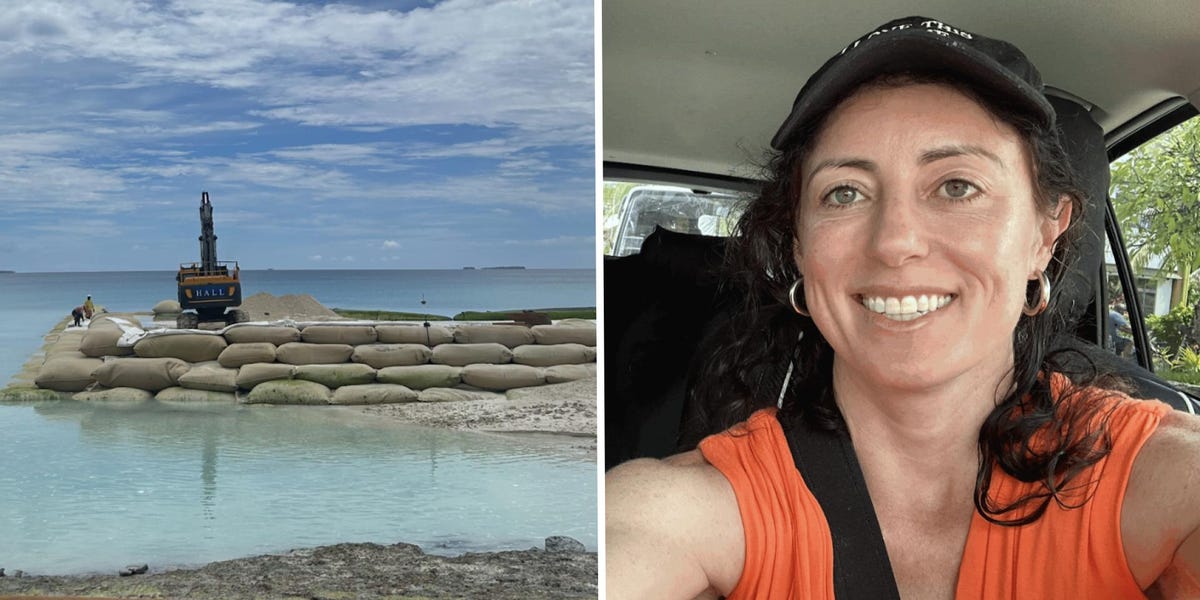
Tuvalu, a remote Polynesian island nation nestled in the heart of the Pacific, faces an existential threat. Projected to potentially disappear beneath the waves by 2050 due to the escalating impact of climate change and rising sea levels, this fragile paradise deserves immediate attention. As awareness grows, intrepid travelers are increasingly drawn to experience its unique culture and breathtaking beauty before it’s too late. Amanda Coffee’s recent journey offers invaluable insights for those planning to visit.
Understanding the Urgency
Before diving into practical tips, it’s crucial to grasp the dire situation facing Tuvalu. Rising sea levels, caused by global warming, are eroding coastlines, contaminating freshwater sources, and threatening infrastructure. The Tuvalu Coastal Adaptation Project, visible in Coffee’s experience, is a testament to the nation’s fight for survival. This project, involving the dredging and deposition of sand along the shoreline, aims to mitigate the impact of rising waters. However, it’s merely a temporary solution, highlighting the urgent need for global action on climate change.
7 Essential Tips for Your Tuvalu Adventure
Plan Your Trip Well in Advance:
Tuvalu’s limited infrastructure means flights and accommodations are scarce. Book your flights through Fiji Airways well in advance, often months ahead, to secure your spot. Accommodation options are similarly limited, primarily consisting of guesthouses and small hotels. Early booking guarantees you a place to stay and allows ample time to arrange necessary permits and visas, if applicable.
Respect Local Customs and Traditions:
Tuvaluan culture is deeply rooted in community and tradition. Dress modestly, especially when visiting villages. Avoid swimming in revealing swimwear. Learn a few basic Tuvaluan phrases to show respect and engage with locals. Participate in community events and activities, such as fatele (traditional dance), to gain a deeper understanding of their way of life. Always ask for permission before taking photographs of people or private property.
Pack Appropriately:
Tuvalu enjoys a tropical climate, so pack light, breathable clothing. Include swimwear, reef-safe sunscreen, a hat, and sunglasses for protection from the sun. Mosquito repellent is essential to ward off mosquitoes, which can carry diseases like dengue fever. A reusable water bottle is also crucial to stay hydrated and minimize plastic waste. Consider bringing a waterproof bag to protect your belongings from rain or splashes during boat trips.
Be Prepared for Limited Amenities:
Tuvalu is a developing nation with limited resources. Don’t expect luxurious amenities or readily available conveniences. Electricity can be unreliable, so bring a power bank for your electronic devices. Internet access is slow and expensive. ATMs are available in Funafuti, the capital, but credit cards are not widely accepted. Carry sufficient cash in Australian dollars (AUD), which is the local currency.
Engage with the Community:
The warmth and hospitality of the Tuvaluan people are a highlight of any visit. Take the time to connect with locals, learn about their culture, and understand the challenges they face due to climate change. Support local businesses by purchasing handicrafts or eating at local restaurants. Engage in conversations about their concerns and listen with empathy. Your interest and understanding can make a significant difference.
Be Mindful of Environmental Impact:
Tuvalu is highly vulnerable to environmental damage. Minimize your carbon footprint by choosing eco-friendly transportation options, such as walking or cycling. Avoid single-use plastics and dispose of waste responsibly. Respect the marine environment by not touching or disturbing coral reefs or marine life. Support sustainable tourism initiatives that benefit the local community and protect the environment.
Stay Informed about Travel Advisories:
Before your trip, check for any travel advisories issued by your government or international organizations. Be aware of potential risks, such as tropical cyclones or health concerns. Register with your embassy or consulate and provide them with your travel itinerary. Purchase comprehensive travel insurance that covers medical emergencies, evacuation, and trip cancellations. Stay updated on local news and weather forecasts during your stay.
Beyond the Beaches: Understanding Tuvalu’s Culture
While the pristine beaches and turquoise waters are undeniable draws, the true heart of Tuvalu lies in its rich culture. Explore the Funafuti Conservation Area, a protected marine reserve teeming with diverse marine life. Visit local churches and witness the vibrant singing and dancing. Attend a traditional feast, known as a toogi, and savor local delicacies like fresh seafood, coconut dishes, and taro. Learn about the unique art of weaving, which is passed down through generations.
The Future of Tuvalu: A Call to Action
Visiting Tuvalu is not just a vacation; it’s an opportunity to witness the devastating effects of climate change firsthand and contribute to a global conversation about sustainability. By sharing your experiences, supporting local initiatives, and advocating for climate action, you can help raise awareness and inspire change. The future of Tuvalu, and countless other low-lying island nations, depends on our collective commitment to a sustainable future. Let us not stand by and watch as this vibrant culture and breathtaking landscape disappear beneath the waves.