
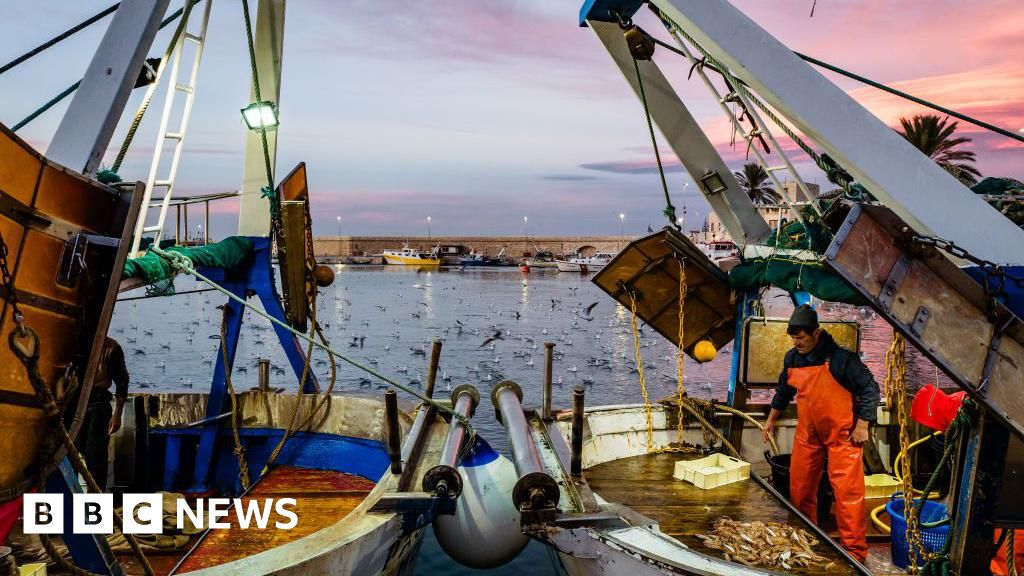
The UK government is considering a significant expansion of its ban on bottom trawling, a fishing method widely recognized for its destructive impact on marine ecosystems. The proposal aims to prohibit this practice in more protected areas of English waters, offering enhanced safeguards to vulnerable seafloor habitats and the diverse marine life they support.
Bottom trawling involves dragging large, heavy nets across the seabed to capture fish and shellfish. While effective in harvesting large quantities of seafood, this method indiscriminately scoops up everything in its path, including non-target species (bycatch), and causes significant damage to sensitive habitats such as coral reefs, sponge gardens, and seagrass beds. These habitats are crucial for biodiversity, providing shelter, breeding grounds, and food sources for countless marine organisms.
The government’s initiative would extend the current prohibition of this “destructive” type of fishing, potentially covering a wider swathe of English waters. This move aligns with growing international concern about the environmental consequences of bottom trawling and reflects a commitment to sustainable fisheries management and marine conservation. The proposal is expected to undergo public consultation, allowing stakeholders, including fishermen, conservation groups, and the general public, to provide feedback and shape the final policy.
The Environmental Impact of Bottom Trawling
The environmental consequences of bottom trawling are far-reaching and well-documented. Beyond the immediate destruction of seafloor habitats, this practice can also disrupt sediment structure, release stored carbon, and alter the delicate balance of marine ecosystems. The resuspension of sediments can reduce water clarity, hindering photosynthesis by aquatic plants and impacting the ability of filter-feeding organisms to obtain food. Moreover, the destruction of seafloor habitats can lead to a loss of biodiversity and a decline in fish populations, threatening the livelihoods of fishermen who rely on healthy and productive marine environments.
Bycatch, the unintentional capture of non-target species, is another significant concern associated with bottom trawling. Many of these animals, including marine mammals, seabirds, and endangered species, are injured or killed during the trawling process. The discarding of bycatch contributes to marine pollution and can have cascading effects on food webs. The proposed ban aims to mitigate these detrimental effects by restricting bottom trawling in ecologically sensitive areas, providing refuge for marine life and allowing habitats to recover.
A Funny Fishing Faux Pas (and why protection matters)
Speaking of fishing gone wrong, I remember one time I went out with my uncle, a seasoned (or so he claimed) fisherman. He’d rented a small boat, brimming with confidence about the “secret” fishing spot he knew. We spent hours motoring out into the open water, the anticipation building with each passing wave. Finally, he declared we’d arrived. He dropped anchor, baited our hooks with what looked like day-old sardines, and we waited. And waited. And waited some more.
After what felt like an eternity, I finally felt a tug on my line! Excited, I started reeling it in, convinced I was about to land a magnificent marlin. After a monumental struggle, I hauled my prize aboard. It wasn’t a fish. It was a soggy, barnacle-encrusted traffic cone. Apparently, my uncle’s “secret” fishing spot was directly above a submerged road construction site. The look on his face was priceless, and the boat erupted in laughter. While the incident was hilarious, it underscored the importance of knowing the environment and respecting its boundaries. Just as my uncle’s fishing trip inadvertently disturbed a submerged construction zone, bottom trawling disturbs the intricate ecosystems of the seafloor. These proposals for wider bans are crucial to preventing that disruption, not just from errant cones, but from the serious damage of the nets.
Looking Ahead: The Future of Fisheries Management
The UK government’s proposal represents a significant step towards sustainable fisheries management and marine conservation. By expanding the prohibition of bottom trawling in protected areas of English waters, the government aims to safeguard vulnerable habitats, protect marine biodiversity, and ensure the long-term health and productivity of our oceans. The success of this initiative will depend on effective enforcement, ongoing monitoring, and collaboration among stakeholders. It also highlights the need for continued research and innovation in fishing technologies to minimize environmental impact and promote sustainable fishing practices.
This proposal underscores a global trend towards recognizing the importance of protecting marine ecosystems and adopting more responsible fishing practices. As awareness of the environmental consequences of bottom trawling grows, other nations may follow suit, implementing similar measures to safeguard their own marine environments. Ultimately, the long-term health of our oceans depends on our collective commitment to sustainable fisheries management and the protection of the diverse and valuable ecosystems that lie beneath the waves.