
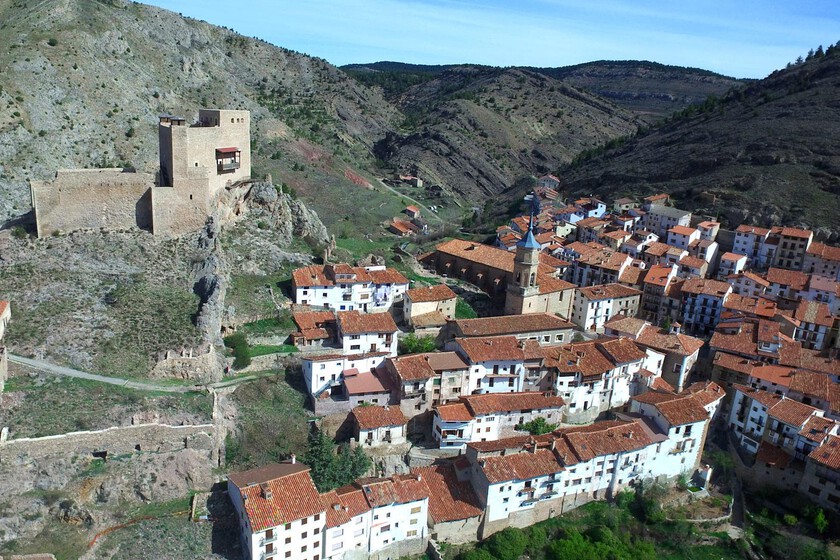
A Dramatic Transformation
The picturesque municipality of Alcalá de la Selva, nestled in the heart of Spain, has undergone a truly astonishing transformation. Once a tranquil village with a population hovering around a modest 380 inhabitants, it has now become home to over 6,000 people. This dramatic demographic shift is not a result of organic growth or a sudden economic boom; instead, it serves as a stark and poignant illustration of a fundamentally broken tourism model and a concerning symptom of climate change. José Edo, the town’s Councilor for Culture and Heritage, offers a chillingly direct explanation for this influx: “People come because they are overwhelmed by the heat.”
This is not about seasonal visitors or weekend trippers seeking a brief respite. Edo clarifies that he is referring to individuals and families who are making a more permanent arrangement, purchasing homes within this once-sleepy Spanish municipality. The reason, he explains, is increasingly tied to the unbearable heat experienced in other, more populated areas. As summers become more intense and prolonged in urban centers and coastal regions, people are actively seeking refuge in cooler, higher-altitude locations like Alcalá de la Selva. This phenomenon, while seemingly beneficial for the town’s population figures, has created a complex web of unintended consequences.
The Strain on Infrastructure and Community
The rapid increase in population has placed an immense strain on Alcalá de la Selva’s infrastructure, which was designed to serve a community of less than 400. Basic services, from water supply and sewage systems to waste management and transportation, are struggling to cope with the demand of a population that has multiplied nearly sixteenfold. Local authorities are faced with the daunting task of upgrading and expanding these essential services to accommodate the new residents, a financial and logistical challenge that is proving to be overwhelmingly difficult.
Beyond the tangible infrastructure, the social fabric of Alcalá de la Selva is also being stretched thin. The original inhabitants, accustomed to a close-knit and familiar community, now find themselves in a vastly different environment. The influx of new residents, many of whom are seeking escape from heat rather than embracing the traditional lifestyle of the town, can lead to a dilution of local culture and traditions. The sense of community, so vital in smaller villages, risks being fragmented as the town grapples with integrating such a large and diverse population in such a short period.
The Underlying Cause: A Warming Planet
The situation in Alcalá de la Selva is a microcosm of a much larger global issue: the intensifying effects of climate change. Rising global temperatures are leading to more frequent and severe heatwaves, making previously habitable regions increasingly uncomfortable and even dangerous. As a direct consequence, populations are being displaced, not by political conflict or natural disasters in the traditional sense, but by the subtle yet relentless creep of extreme heat. This type of migration, often referred to as “climate migration” or “heat migration,” is a growing concern for urban planners and policymakers worldwide.
“People come because they are overwhelmed by the heat.”
— José Edo, Councilor for Culture and Heritage of Alcalá de la Selva
The “broken tourism model” that Edo alludes to is intrinsically linked to this climatic reality. Traditionally, towns like Alcalá de la Selva might have relied on a seasonal influx of tourists seeking a peaceful escape or a taste of rural life. However, the current migration is driven by a more fundamental need for survival and comfort in the face of escalating temperatures. This shifts the paradigm from temporary visitors to a permanent, and rapidly growing, resident population, fundamentally altering the town’s character and its resource requirements. The allure of a cooler climate is trumping traditional tourism drivers, creating an unsustainable dynamic.
A Glimpse into the Future?
The case of Alcalá de la Selva serves as a potent warning sign and a potential glimpse into the future for many other similar communities. As heatwaves become a normalized feature of summers in many parts of the world, the pressure on cooler regions to absorb displaced populations will only increase. This necessitates a proactive and comprehensive approach from both local and national governments. Strategies must be developed not only to manage the immediate consequences of this population influx but also to address the root cause: the accelerating pace of climate change.
The town’s ability to adapt and thrive in the face of these challenges will depend on its capacity to invest in sustainable infrastructure, foster integration between existing and new residents, and develop long-term strategies that acknowledge the new demographic reality. Failure to do so could lead to the degradation of the very qualities that initially attracted people to Alcalá de la Selva, transforming a haven into a place struggling to cope with its own success, a success born out of necessity rather than desire.
Key Statistics and Observations:
| Metric | Initial State | Current State |
|---|---|---|
| Population | Approximately 380 inhabitants | Over 6,000 inhabitants |
| Primary Driver for New Residents | Seeking tourism or rural lifestyle | Escaping extreme heat from other regions |
| Infrastructure Strain | Adequate for original population | Severely strained and in need of upgrades |
The narrative of Alcalá de la Selva is a complex one, highlighting the intertwined nature of environmental issues, demographic shifts, and the evolving landscape of human settlement. It underscores the urgent need for global action on climate change and for innovative solutions to manage the consequential human movements that are becoming an unavoidable aspect of our warming planet.