
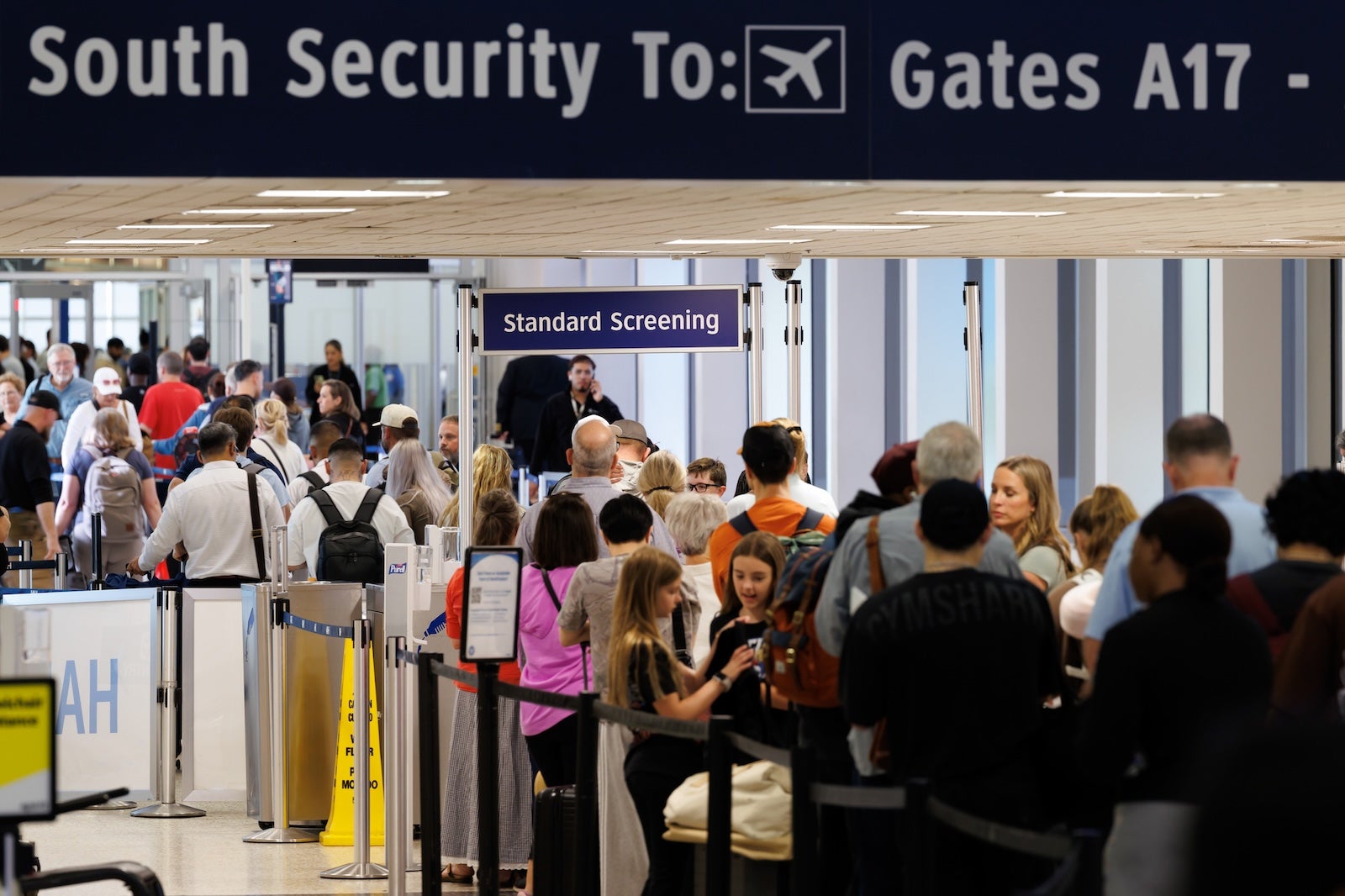
The recent development concerning the payment of Transportation Security Administration (TSA) officers marks a significant pivot point in the ongoing saga of domestic air travel efficiency and security preparedness in the United States. Following a directive from the Trump administration, the promise of regular paychecks for these essential frontline workers has transitioned from a long-standing aspiration to an immediate reality. With the upcoming weekend travel surge looming, the attention of the entire aviation industry, and indeed the traveling public, is now fixed squarely on airport security checkpoints, anticipating tangible improvements in service delivery and operational tempo.
The Precedent of Unpaid Labor and Its Consequences
For a substantial period, a segment of the TSA workforce operated without the assurance of regular compensation, a direct consequence of budgetary stalemates in Washington. This situation was more than a mere administrative inconvenience; it represented a critical failure in supporting the personnel tasked with one of the nation’s most vital public safety functions. The uncertainty surrounding income inevitably impacts morale, dedication, and overall job performance. When employees responsible for screening millions of passengers daily are worried about meeting basic financial obligations, the focus on vigilance and efficiency naturally suffers.
The impact manifested in several demonstrable ways:
- Decreased retention rates, leading to a constant need to recruit and train new officers.
- Increased instances of unscheduled call-outs, contributing to understaffing during peak hours.
- A quantifiable dip in overall job satisfaction, potentially affecting the consistency of security screening procedures.
The decision to mandate payment serves as a foundational step toward stabilizing the workforce and re-establishing professional standards within the agency.
Anticipating the Impact on Wait Times
The core question now facing travelers and transportation analysts is straightforward: Will this injection of financial stability translate directly into shorter, more predictable airport security wait times? The answer is likely complex, but decidedly optimistic in the short to medium term.
A key factor is staff availability. When officers are confident in their next paycheck, the likelihood of absenteeism decreases significantly. Furthermore, improved morale often translates into greater engagement during shifts. This means fewer bottlenecks caused by staffing shortages at crucial screening stations.
Consider the dynamic at a major hub, such as Hartsfield-Jackson Atlanta International Airport (ATL) or Los Angeles International Airport (LAX). Even a marginal improvement in officer reliability across dozens of lanes can aggregate into substantial time savings for thousands of passengers.
“Consistent compensation is not just an HR issue; it is a fundamental component of operational readiness. We expect to see a direct correlation between stabilized staffing levels and reduced passenger friction points at the checkpoint.”
The Role of Morale in Security Efficacy
Beyond mere wait times, the issue extends to the quality of security provided. TSA officers are not simply queue managers; they are the first line of defense against threats attempting to breach aircraft security protocols. A demoralized or financially stressed workforce is potentially a less attentive one. Assurance of fair compensation allows officers to concentrate fully on their demanding tasks—identifying prohibited items, monitoring behavior, and adhering strictly to evolving security mandates.
The implementation of pay is anticipated to bolster recruitment efforts, enabling the TSA to fill vacant positions faster with high-quality candidates who view the role as a sustainable career rather than a temporary stopgap. This influx of newly trained, motivated personnel will further alleviate strain on existing staff.
Weekend Watch: The Immediate Test
With the upcoming travel weekend serving as the immediate litmus test, industry observers are keenly monitoring several metrics. The focus is not solely on the *average* wait time, but on the consistency of wait times across different times of the day and across various airport sizes. A successful rollout of guaranteed pay should manifest as:
| Metric | Pre-Payment Scenario (Expected Fluctuation) | Post-Payment Scenario (Anticipated Improvement) |
|---|---|---|
| Staffing Consistency | High variability due to unexpected call-outs. | Increased reliability and predictable shift coverage. |
| Morning Rush Efficiency | Significant slowdowns due to delayed starts. | Smoother, faster processing during peak hours. |
| Long-Term Retention | Continual drain on experienced personnel. | Stabilization, allowing expertise to accumulate. |
The transition won’t be instantaneous. Training refreshers, adjustment periods, and the integration of new hires still require time. However, the removal of the existential stressor of unpaid work provides the necessary fertile ground for operational excellence to take root.
Looking Ahead: Beyond the Paycheck
While the immediate attention is on the weekend rush spurred by the payment order, stakeholders recognize that this is merely the first necessary step. Long-term improvements in airport security efficiency will require sustained investment in technology, modernized training protocols, and competitive compensation packages that align with the critical nature of the job. The current action addresses an immediate crisis, but the industry will be watching to see if this momentum is maintained to truly transform the passenger experience from one of frustrating uncertainty to one of reliable security assurance.