Hold onto your hats, aviation enthusiasts! The skies above the United States might soon be humming with the sound of speed once again. The Federal Aviation Administration (FAA) has just dropped a bombshell, announcing a proposed rule change that could lift the long-standing ban on supersonic flights over the continental U.S. for non-military planes. This isn’t just a minor tweak; it’s a monumental first step towards bringing back a future that many thought was lost forever.
For decades, the idea of commercial jets breaking the sound barrier over land has been strictly off-limits, a policy that’s been in place since 1973. But now, figures like Sean Duffy are confidently stating that new technology makes it significantly safer for people on the ground who’ve always worried about the disruptive effects of sonic booms. So, what exactly does this mean for the future of travel, and what’s changed to make this possible?
The Ghost of Concorde: Why the Ban Existed in the First Place
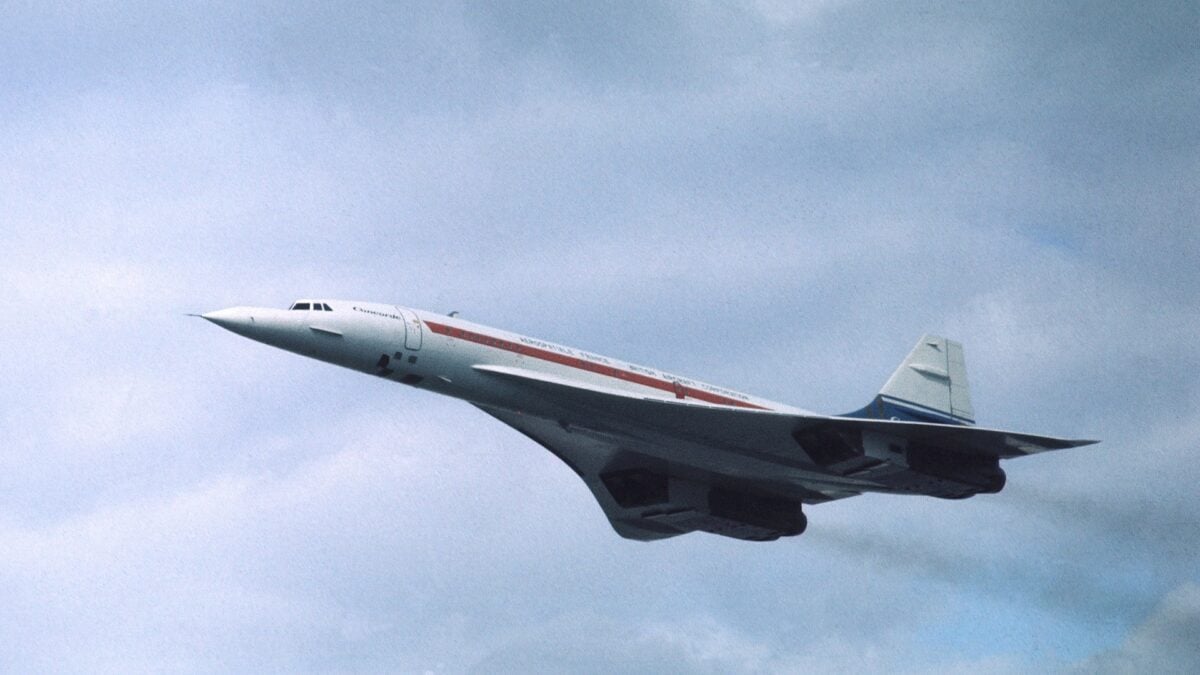
To truly understand the significance of this announcement, we need a quick history lesson. The original ban was enacted largely in response to public outcry following the development of the iconic Concorde supersonic transport. While the Concorde was a marvel of engineering, its ability to travel at speeds exceeding Mach 2 came with a significant drawback: the sonic boom. This wasn’t just a loud noise; it was a powerful pressure wave, often described as a thunderclap, that could rattle windows, startle people, and even cause minor structural damage.
Imagine a giant whip cracking across the sky, leaving a trail of noise pollution as it passed. That’s essentially what a sonic boom felt like for communities below. The negative public perception and potential for disruption led the U.S. government to impose a blanket ban, effectively relegating supersonic commercial travel to transoceanic routes where booms would only occur over open water. This historical context is vital; it highlights the deep-seated concerns that new technologies now aim to address, rather than simply ignore.
A Quiet Revolution: The Tech Behind the “Boom” Transformation
So, what’s changed? Sean Duffy’s confidence isn’t unfounded; it’s rooted in decades of relentless research and development aimed at taming the beast of the sonic boom. The game-changer here is the concept of a “low boom” or “sonic thump.” Instead of a sudden, startling crack, engineers are designing aircraft that can produce a much softer, more dispersed sound signature, akin to a distant rumble of thunder rather than an explosion.
Leading this charge is NASA’s X-59 QueSST (Quiet SuperSonic Technology) aircraft. This experimental jet is specifically designed with an elongated, slender fuselage and precisely shaped wings that distribute the shockwaves generated at supersonic speeds. The goal of the X-59 is to fly over communities and gather data, proving that a sonic thump is not only achievable but also publicly acceptable. If successful, this data will be crucial in informing future regulatory standards for overland supersonic flight. It’s not about eliminating the boom entirely, but about reshaping it into something far less intrusive.
Beyond radical aerodynamic shaping, advancements in other areas are also playing a role. New composite materials make aircraft lighter and stronger, contributing to more efficient designs. Furthermore, sophisticated flight path optimization software can help pilots manage their speed and altitude to further mitigate noise over populated areas, ensuring that any perceptible sound is minimized as much as possible. This multi-faceted approach is what’s truly empowering the FAA to reconsider the existing regulations.
What This Means for You (and the Skies)
The FAA’s proposed rule change isn’t a final green light just yet. It’s the beginning of a public comment period, where stakeholders, experts, and ordinary citizens can voice their opinions. This is an essential part of the regulatory process, ensuring transparency and addressing any lingering concerns. But make no mistake, this is a clear signal of intent: the FAA is serious about paving the way for supersonic commercial aviation to return to U.S. airspace.
What does this mean for the industry? Companies like Boom Supersonic, with their Overture airliner, and other innovators who have been tirelessly working on designs for supersonic business jets, are undoubtedly celebrating. This rule change could unlock a vast market for them, allowing for crucial flight testing and, eventually, regular service over land. Imagine flying from New York to Los Angeles in less than three hours, dramatically cutting down cross-country travel times. It’s a vision that has been dormant for half a century, now flickering back to life.
The Road Ahead: Challenges and Opportunities
While the prospect of faster travel is undeniably exciting, the journey back to widespread supersonic flight is not without its hurdles. One of the most significant challenges remains environmental impact. Supersonic jets typically consume more fuel than their subsonic counterparts, raising concerns about carbon emissions and overall fuel efficiency. Future designs will need to integrate advanced propulsion systems and sustainable aviation fuels (SAFs) to address these critical issues and ensure that speed doesn’t come at an unacceptable cost to our planet.
Another factor is public perception. Even if the “boom” is softened to a “thump,” will communities accept a new, unfamiliar sound in their skies? Extensive outreach and clear communication about the technology and its benefits will be essential. The success of NASA’s X-59 in demonstrating genuine low-boom capabilities will be pivotal in building public trust and acceptance.
Finally, there’s the economic viability and regulatory framework. Supersonic travel, at least initially, will likely be a premium offering, catering to business travelers and high-end tourism. The cost of tickets, the necessary airport infrastructure upgrades, and the integration into existing air traffic control systems all present complex challenges that need careful planning and investment. However, the potential economic benefits, from job creation in aerospace manufacturing to increased tourism and trade opportunities, are substantial.
The FAA’s proposed rule change marks a thrilling new chapter in aviation. It’s a testament to human ingenuity and our persistent desire to push the boundaries of speed and efficiency. While there are still many questions to answer and challenges to overcome, the dream of a future where supersonic flights once again crisscross the skies over the U.S. is closer than ever before. Get ready, because the future of flight is starting to sound a lot faster!