
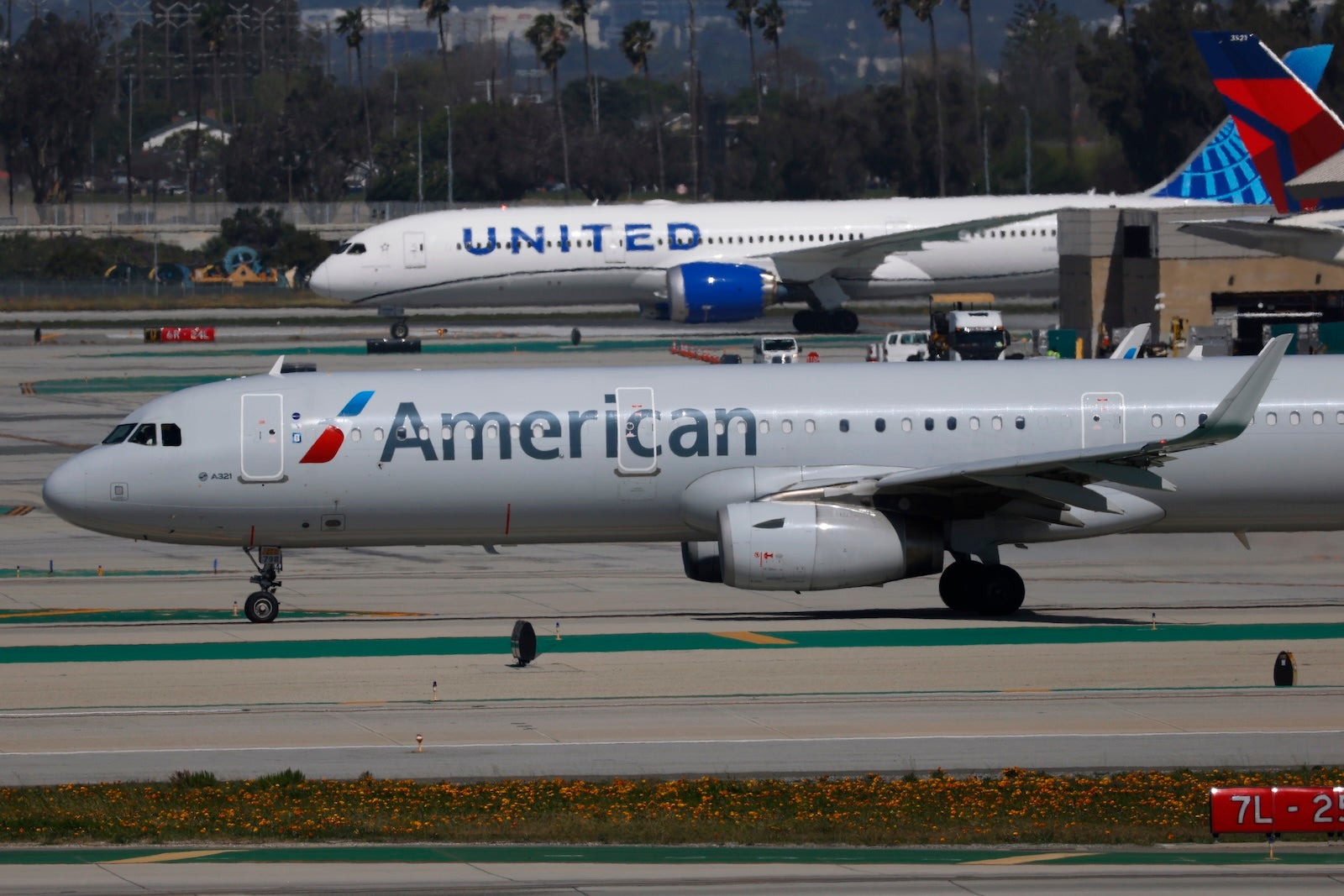
The aviation industry often resembles a vast, turbulent sky where corporate titans navigate through shifting winds, seeking to secure their flight paths toward dominance. For weeks, the industry has been consumed by the whispers of a colossal merger between American Airlines and United Airlines—a prospect that would have effectively redrawn the map of global travel. However, as quickly as these clouds of speculation gathered, they have begun to disperse. The cooling of these rumors, spurred by significant regulatory and political headwinds, has not brought silence to the sector. Instead, it has served as a catalyst for a more profound dialogue regarding the future architecture of the airline market.
The catalyst for the sudden deceleration of the American-United narrative was none other than the highest office in the land. President Trump recently voiced a stark opposition to such a consolidation, remarking that he “doesn’t like” the idea of this specific merger. In the delicate ecosystem of aerospace commerce, where government approval is the ultimate flight clearance, a presidential frown is often sufficient to ground a deal before it ever leaves the tarmac. Yet, while this specific union may have been aborted, the corporate appetite for consolidation remains ravenous, and the engines of deal-making are humming louder than ever.
Observers are now looking toward other potential configurations that could reshape the competitive landscape. If American and United are off the table, the focus inevitably shifts to other players looking to bolster their market share, optimize their route networks, and achieve the economies of scale that have become the holy grail of modern aviation. The current environment is akin to a complex game of chess played at thirty thousand feet, where every move is calculated to maximize leverage against rising fuel costs, labor demands, and the relentless pressure to improve operational efficiency.
The Rationale Behind Market Consolidation
Why is there such persistent speculation surrounding airline mergers? The industry operates on razor-thin margins, where the difference between profit and loss is often measured in the efficiency of a single flight path or the utilization of a specific aircraft frame. Consolidation acts as a financial stabilizer, offering several strategic advantages:
- Route Network Synergy: Merging two disparate networks creates a web that spans continents, effectively turning a fragmented map into a seamless global artery.
- Operational Efficiency: Eliminating redundant administrative functions and harmonizing fleet types allows for a leaner, more agile corporate structure.
- Capital Strength: Larger entities possess the deeper pockets required to invest in next-generation fuel-efficient fleets and state-of-the-art digital infrastructure.
- Market Pricing Power: While regulators remain wary, increased scale often allows carriers to navigate the volatile pricing landscape of international travel with greater resilience.
Despite the logic, the path to a merger is fraught with peril. The integration of two corporate cultures is notoriously difficult, often likened to attempting to combine two high-speed locomotives while they are still in motion. Cultural clashes, union negotiations, and the massive undertaking of IT system migrations often lead to operational meltdowns that can haunt a company for years. As one industry analyst noted, “A merger is not just an exchange of stock; it is an act of surgical integration, and the patient often rejects the transplant.”
Looking Toward the Horizon
While the prospect of an American-United merger has faded into the archives of recent speculation, the merger and acquisition cycle in the aviation sector is far from over. The industry is effectively a pressure cooker, with rising demand for global connectivity constantly pushing against the constraints of finite airport infrastructure and increasingly stringent environmental regulations. Smaller regional carriers or specialized niche airlines may soon find themselves being courted by the giants who are desperate to secure specific hubs or untapped international corridors.
Furthermore, the geopolitical landscape continues to influence corporate strategy. As international borders fluctuate and economic alliances shift, airlines must adapt. A merger is often the swiftest way to gain access to a new market or to fortify one’s position against foreign competition. We are seeing a shift from the era of organic growth to an era of strategic acquisition, where survival is increasingly synonymous with scale.
Ultimately, the aviation industry remains a volatile theater of commerce. Whether or not another major deal is announced in the coming months, the underlying message is clear: the current status quo is unsustainable for all. Executives are scanning the horizon for the next big opportunity, waiting for the right conditions to deploy their capital. Investors should remain vigilant, as the winds of change in this sector are swift, unpredictable, and capable of shifting the entire global travel infrastructure overnight. For now, the industry holds its breath, waiting to see if the next announcement will be a minor adjustment or a seismic tremor that changes the face of travel for the next generation.