
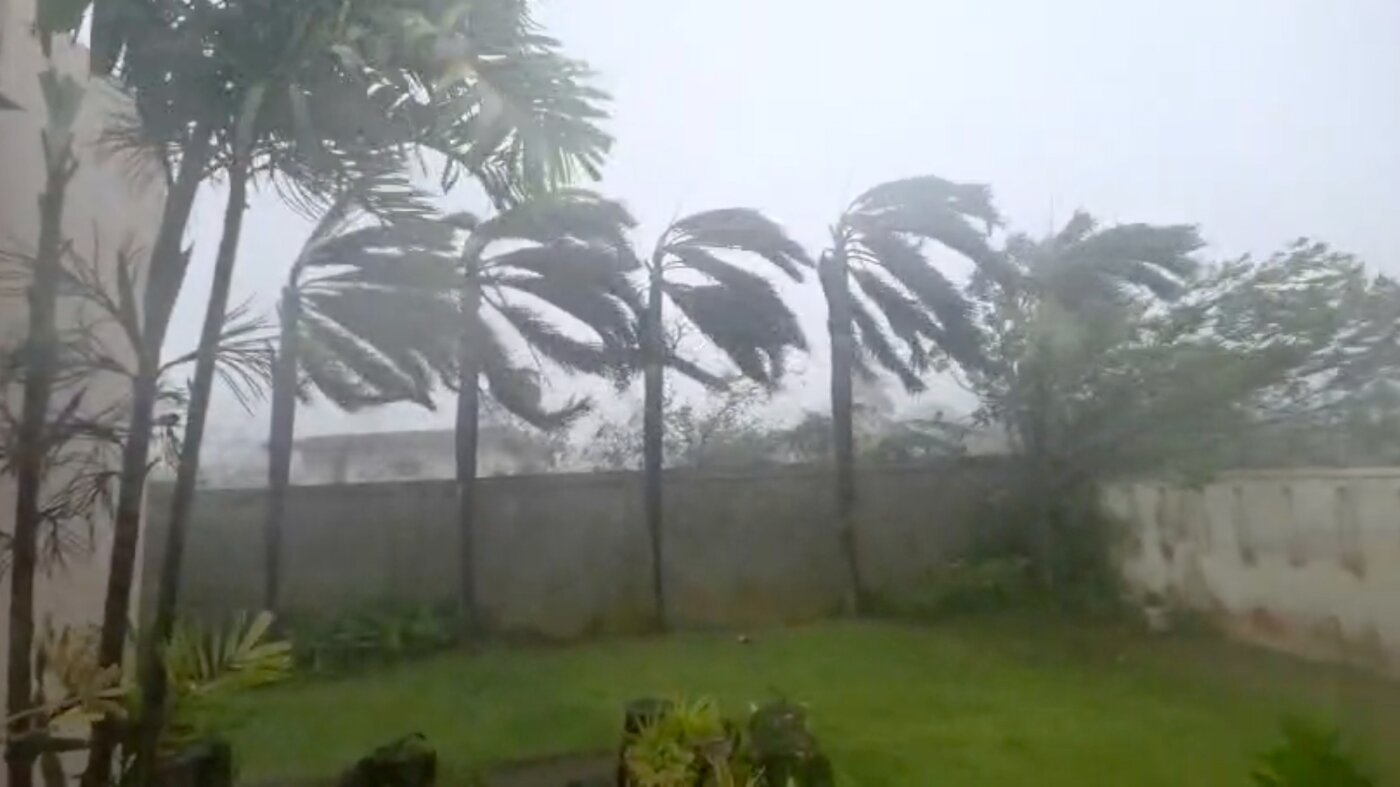
I have been reading about some pretty intense weather lately, and honestly, the situation with Super Typhoon Sinlaku is absolutely terrifying. It has been battering a pair of remote U.S. islands in the Pacific Ocean, and the images coming out—or rather, the reports of the destruction—are heartbreaking. These islands are pretty isolated, so when a storm this big hits, the people living there are essentially on their own until the winds die down and help can make it through the wreckage.
The storm has been relentless. We are talking about ferocious winds that are strong enough to shred tin roofs like they are made of paper. Residents have been forced to hunker down in bunkers and emergency shelters, praying that their homes—and their lives—will survive the night. It is a stark reminder of how powerful and unforgiving nature can be, especially when you are living in the middle of the vast Pacific.
What Exactly Is a Super Typhoon?
Since I am just starting to learn about meteorology, I had to look up what makes a “super typhoon” different from a regular one. Basically, a super typhoon is the equivalent of a Category 4 or 5 hurricane in the Atlantic. These storms pack winds of at least 150 miles per hour (240 kilometers per hour). The sheer energy involved is enough to reshape an entire landscape.
Key facts about these monsters of the ocean:
- They draw their massive energy from warm ocean waters, usually above 80 degrees Fahrenheit (26 degrees Celsius).
- The low pressure at the center of the storm acts like a vacuum, pulling in air and moisture that fuels the relentless rain.
- When they hit small, flat islands, there is almost no natural protection, leading to massive storm surges that can flood entire communities.
Staying Safe During the Storm
I was looking into what people are supposed to do in these situations, and it is honestly stressful just to think about. If you are ever in the path of a storm like Sinlaku, the experts have some very specific advice. It is all about emergency preparedness and keeping your cool when the world outside your window is being ripped apart.
“The wind is only half the battle; it is the flying debris—the bits of roof, tree branches, and signs—that pose the greatest risk to human life during the height of the typhoon,” says one local meteorology expert.
Essential tips for typhoon survival:
1. Secure your home: Before the storm hits, board up windows and clear the yard of anything that could become a projectile. Those flying tree limbs mentioned in the reports are basically missiles in 150 mph winds.
2. Have an emergency kit: You need at least three days of food, water, and essential medicines. Don’t forget batteries and a way to charge your phone—if the grid goes down, you are going to be in the dark for a while.
3. Know your zone: If you live in a flood-prone area, you have to get to higher ground. Do not wait for the water to start rising. By then, the roads will likely be impassable.
Weather Impact Summary
It is wild to see how quickly a paradise destination can turn into a disaster zone. Here is a quick breakdown of what these storms typically cause for these remote regions:
| Hazard | Primary Danger |
|---|---|
| High Winds | Structural damage and flying debris |
| Storm Surge | Coastal flooding and erosion |
| Heavy Rainfall | Flash flooding and landslides |
I really hope the people on those islands are staying safe. Watching the updates about Super Typhoon Sinlaku makes me realize how fragile our infrastructure is. Even in the modern age, we are still completely at the mercy of the atmosphere. If you are ever traveling to these remote parts of the Pacific, definitely check the weather forecast for the season. Typhoon season is no joke, and being caught unprepared in such a remote location is a situation nobody wants to be in.
Let’s just hope that the recovery efforts start quickly and that the islands get the support they need to rebuild after the winds finally stop howling.