
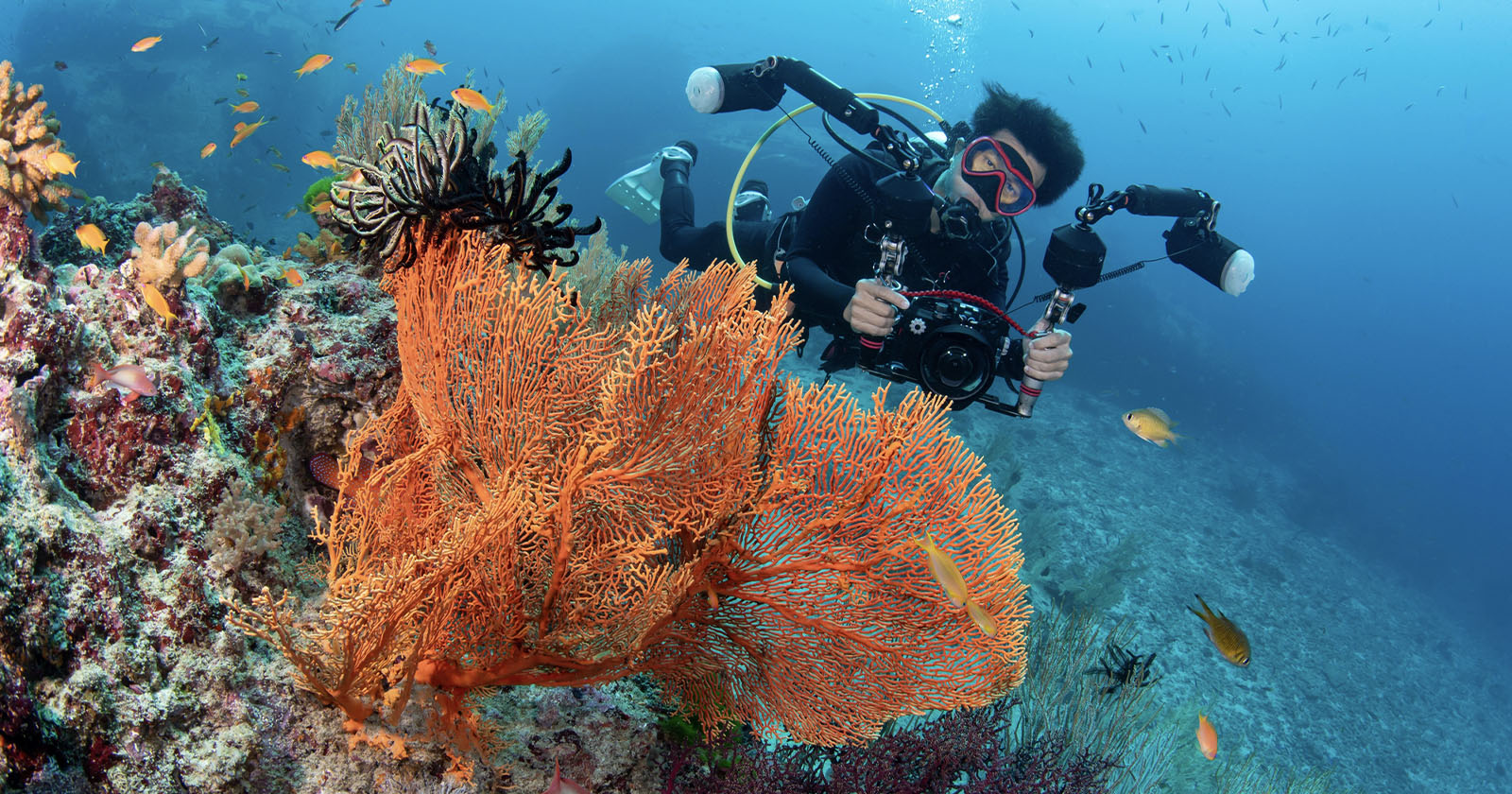
Protecting the Underwater Jewels of Thailand
Thailand, a nation renowned for its breathtaking marine biodiversity, has recently implemented stringent new regulations governing underwater photography. The vibrant tapestry of coral reefs, once teeming with life and colour, now faces an unprecedented threat. These underwater cities, built by generations of tiny polyps, are crumbling under the weight of human impact. The new rules, while controversial, aim to stem the tide of damage inflicted by unwitting – and sometimes, quite frankly, careless – divers.
The once-unfettered access to underwater photography, previously enjoyed by all, has been significantly curtailed. Only divers possessing a demonstrably high level of experience and a proven understanding of responsible diving practices are now permitted to operate underwater cameras. This restriction is not merely a bureaucratic hurdle; it’s a desperate attempt to safeguard fragile ecosystems teetering on the brink of collapse. Imagine the Great Barrier Reef, but smaller, more concentrated, and suffering from the relentless pressure of tourism – this is the stark reality facing Thailand’s coral reefs.
The rationale behind these restrictions is multifaceted. The sheer weight of divers, their clumsy fins stirring up sediment, and the inadvertent contact with delicate coral structures – all contribute to significant damage. But the issue extends beyond physical impact. The allure of “the perfect shot” often overrides responsible behavior. Divers, driven by the insatiable hunger for that prize-winning image, may unknowingly encroach upon sensitive areas or even actively damage the very subjects they seek to capture. This pursuit of the ephemeral, the fleeting beauty of a passing fish or a sunbeam dancing through the water, is inadvertently threatening the long-term survival of these precious ecosystems.
The impact of careless underwater photography can be devastating. The delicate gorgonian sea fans, resembling underwater trees of vibrant hues, are particularly vulnerable. A single clumsy touch can break off branches, leaving behind scars that may take years, if ever, to heal. The vibrant coral polyps, the very architects of these underwater wonders, can be dislodged or killed by even minor physical contact, turning once-colorful reefs into ghostly white landscapes – a testament to the destructive power of human negligence. It’s like watching a masterpiece slowly being chipped away, brushstroke by brushstroke, until only a pale imitation remains.
A Balancing Act: Conservation vs. Creativity
The new regulations have, understandably, sparked debate. Many underwater photographers, passionate about capturing the beauty of the underwater world, feel unfairly targeted. They argue that their skills and understanding of marine life allow them to operate responsibly, and that the blanket ban unfairly penalizes those committed to ethical photography. Their frustration is palpable; their art, their connection with the ocean, is now constrained. The argument, however, is not simply one of artistic freedom versus environmental protection; it’s a complex balancing act between the pursuit of aesthetic beauty and the preservation of a fragile, irreplaceable natural heritage. The question remains: how do we balance the desire to document the wonders of the underwater world with the urgent need to protect it?
The Thai government, facing this challenging dilemma, has chosen a stringent approach, prioritizing the health of its coral reefs. This decision highlights the critical juncture at which we find ourselves. The breathtaking beauty of Thailand’s underwater realms is not an inexhaustible resource; it’s a treasure that demands careful stewardship. The new regulations, while potentially restrictive to some, ultimately serve a vital purpose: safeguarding a natural legacy for generations to come.
The future of Thailand’s underwater photography landscape will be shaped by how effectively these regulations are implemented and enforced, and how the balance between conservation and creative expression can be achieved. The vibrant colours, the kaleidoscopic displays of life, should not be merely captured for fleeting moments of appreciation; they should be preserved for eternity. This is not merely a story about underwater cameras; it’s a story about our collective responsibility to protect the planet’s precious treasures.