
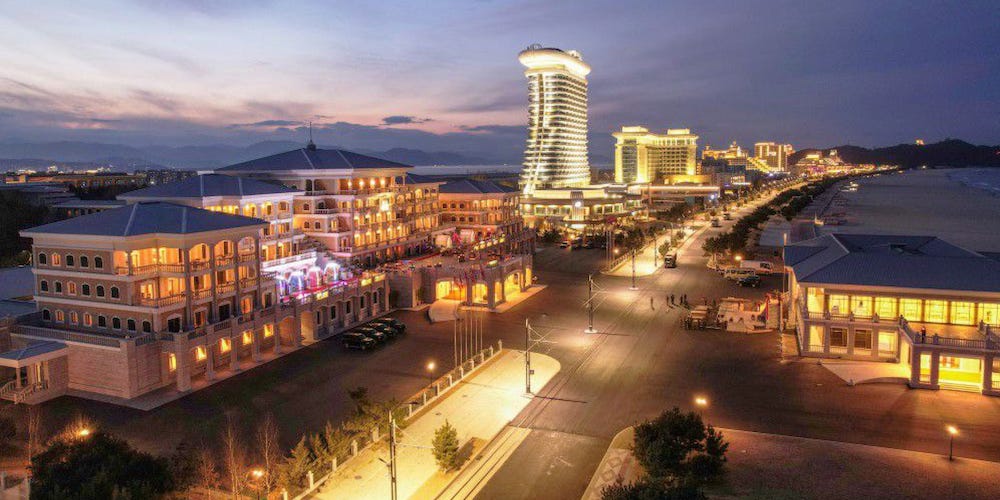
The announcement of Wonsan Kalma International Tourist Area’s opening in June 2025, spearheaded by North Korean leader Kim Jong Un, represents a significant, albeit risky, move for the reclusive nation. This mega-resort, boasting thousands of rooms, aims to attract a substantial influx of international tourists and much-needed foreign currency. However, the sheer scale of the project and the inherent challenges of attracting tourists to a country with a highly restrictive political system raise serious questions about its feasibility.
The Challenges of Attracting Tourists to North Korea
North Korea faces numerous hurdles in its attempt to establish a successful tourism industry. The country’s authoritarian government and lack of transparency present significant deterrents for potential visitors. International sanctions, imposed due to its nuclear weapons program, further complicate matters by limiting access to international financial systems and restricting travel options. Furthermore, the restricted freedoms afforded to tourists, including limited access to the internet and stringent rules regarding communication and movement, are unlikely to attract the kind of large-scale tourism the government envisions.
The existing tourism infrastructure in North Korea is also a major concern. While some organized tours are currently offered, they are tightly controlled and limited in scope. The lack of reliable and extensive transportation networks, coupled with outdated hotels and limited amenities outside of Pyongyang, significantly hinder the development of a thriving tourism sector. The Wonsan Kalma project needs to demonstrably overcome these limitations to be successful.
Wonsan Kalma: A Closer Look
The Wonsan Kalma International Tourist Area is reported to be a massive undertaking, encompassing various amenities including hotels, resorts, golf courses, and entertainment facilities. The sheer scale of the project is impressive, but its actual completion and operational effectiveness remain to be seen. Concerns remain regarding the quality of construction, the availability of skilled labor, and the reliability of essential services such as electricity and water supply. The project’s success hinges not just on its physical construction but also on the logistical and managerial competence of the North Korean authorities.
The location itself, while possessing scenic coastal beauty, is not without its challenges. Wonsan, a port city on the east coast, has a history of economic stagnation and limited infrastructure development. Transforming it into a world-class tourist destination requires massive investment and sustained effort, far beyond what has been witnessed in previous attempts at tourism development in North Korea.
Marketing and Promotion: A Crucial Element
Successful tourism requires effective marketing and promotion. The North Korean government’s approach to international relations, however, presents significant challenges in this area. Limited access to international media and the perception of the country as politically unstable and isolated severely hampers the ability to attract potential tourists. Any marketing campaign would need to overcome deeply ingrained negative perceptions and present a compelling and realistic image of the country and the Wonsan Kalma resort.
The Economic Implications
The economic implications of the project are significant. If successful, Wonsan Kalma could generate substantial revenue for the North Korean government, potentially easing the financial pressure imposed by international sanctions. However, the success of the project depends on a number of factors, including overcoming political and logistical obstacles, attracting sufficient numbers of tourists, and managing the complex financial transactions involved. The potential for economic benefits is considerable, but the risks are equally significant.
Conclusion: A Long Shot with Potential
The launch of Wonsan Kalma International Tourist Area represents a bold, albeit risky, venture for North Korea. While the project possesses the potential to revitalize the country’s economy and enhance its international image, the numerous challenges it faces are substantial. The ultimate success of the project depends not only on the completion of the resort itself but also on the ability of the North Korean government to address the underlying political and economic factors that have long hindered the development of a sustainable tourism sector. The coming years will be crucial in determining whether this ambitious gamble pays off.