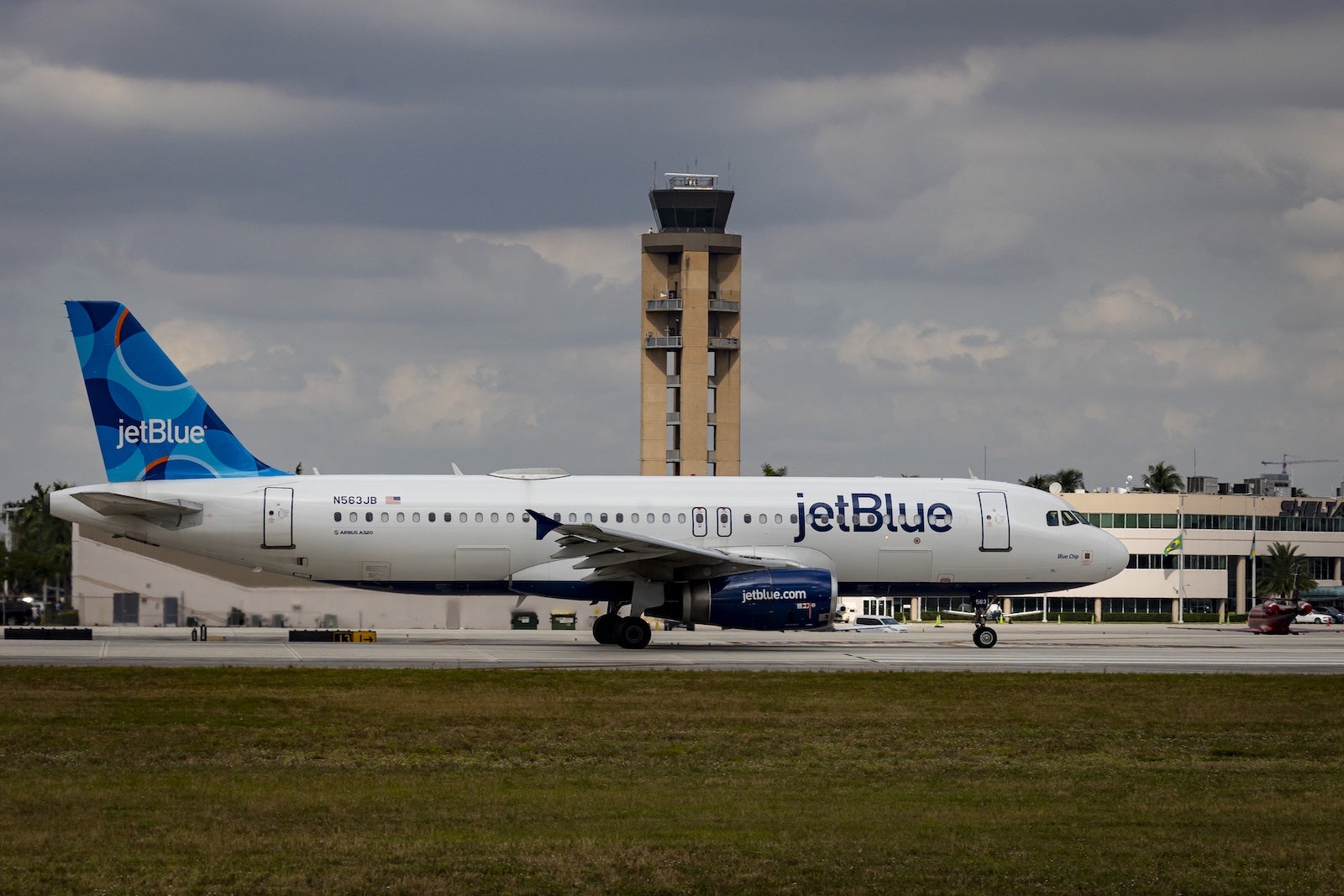
The aviation world is a constant game of high-stakes chess, where routes are pawns and hubs are the golden fortresses that determine survival. JetBlue, the airline known for its extra legroom and blue-chip branding, has just made a bold, calculated move that feels like someone rearranging their entire living room furniture while the house is still moving at 500 miles per hour. The company is tightening its belt and sharpening its focus, opting to pour its resources into the sun-drenched tarmac of Fort Lauderdale, even if it means leaving some of its older flame cities out in the cold.
In a major network shake-up, the airline has announced it will trim 11 routes from its expansive map. Perhaps the most stinging headline for travelers in New England is the complete termination of service to Manchester, New Hampshire. It is the classic corporate dilemma: you cannot chase every horizon at once, and sometimes, to fly higher, you have to drop the heavy cargo that is dragging your efficiency down.
Think of it as a gardener pruning a bonsai tree. You love every branch, every leaf, but if you want the tree to reach its full, majestic potential, you have to make the difficult cuts. JetBlue is currently playing the role of that gardener, hacking away at thin, underperforming routes to ensure that its Fort Lauderdale hub blooms with absolute, unadulterated vigor. This is not just a schedule change; it is a declaration of intent. They are betting their chips on the Florida sun, hoping that the high-demand, high-frequency nature of the Florida-Caribbean corridor will pay dividends that scattered, low-frequency routes in the Northeast simply cannot match.
The Cost of Consolidation
Efficiency, as they say, is a cold mistress. For passengers in Manchester, this news hits like a sudden bout of turbulence on a clear-sky day. The local community has relied on JetBlue to act as their gateway to the wider world, but the airline’s ledger told a different story. Profitability is the North Star for every carrier, and in a post-pandemic landscape where fuel prices and staffing costs dance on a razor’s edge, sentimentality rarely wins out over cold, hard revenue data.
Here is what the shift looks like on the ground:
- Manchester (MHT): The service is being completely retired, marking a significant shift in the airline’s New England footprint.
- Strategic Concentration: By cutting these 11 routes, JetBlue aims to increase its flight frequency in Fort Lauderdale, turning it into a powerhouse hub.
- Network Optimization: The airline is effectively shifting its capital from routes that were barely breaking even into the markets that have the most potential for rapid growth.
There is an old industry adage that says, “An airline that tries to be everything to everyone ends up being nothing to anyone.” JetBlue clearly took this to heart. By retreating from the peripheries, they are building a more resilient network. It is a bold, albeit ruthless, strategy. They are trading the long, lingering shadows of the northern winters for the blinding, relentless light of the Florida coast, hoping that a more concentrated operation will translate to fewer cancellations, better reliability, and ultimately, a more loyal customer base that values punctuality over obscure route availability.
The aviation market is not a marathon; it is a series of sprints where you have to know exactly when to lace up your shoes and when to stay off the track. JetBlue has chosen its track, and it’s paved with the concrete of a South Florida runway.
Whether this gamble pays off remains to be seen. The traveling public is famously fickle, and loyalty programs can only hold people for so long when the flight options disappear. Yet, if you look at the long-term strategy, JetBlue is trying to transform from a “go-anywhere” boutique carrier into a streamlined, high-efficiency machine. They are choosing to be a shark in the Florida waters rather than a goldfish in a dozen different ponds. As we watch this unfold, one thing is certain: the sky remains crowded, and only those willing to make the sharp, painful turns are going to stay airborne for the long haul.