
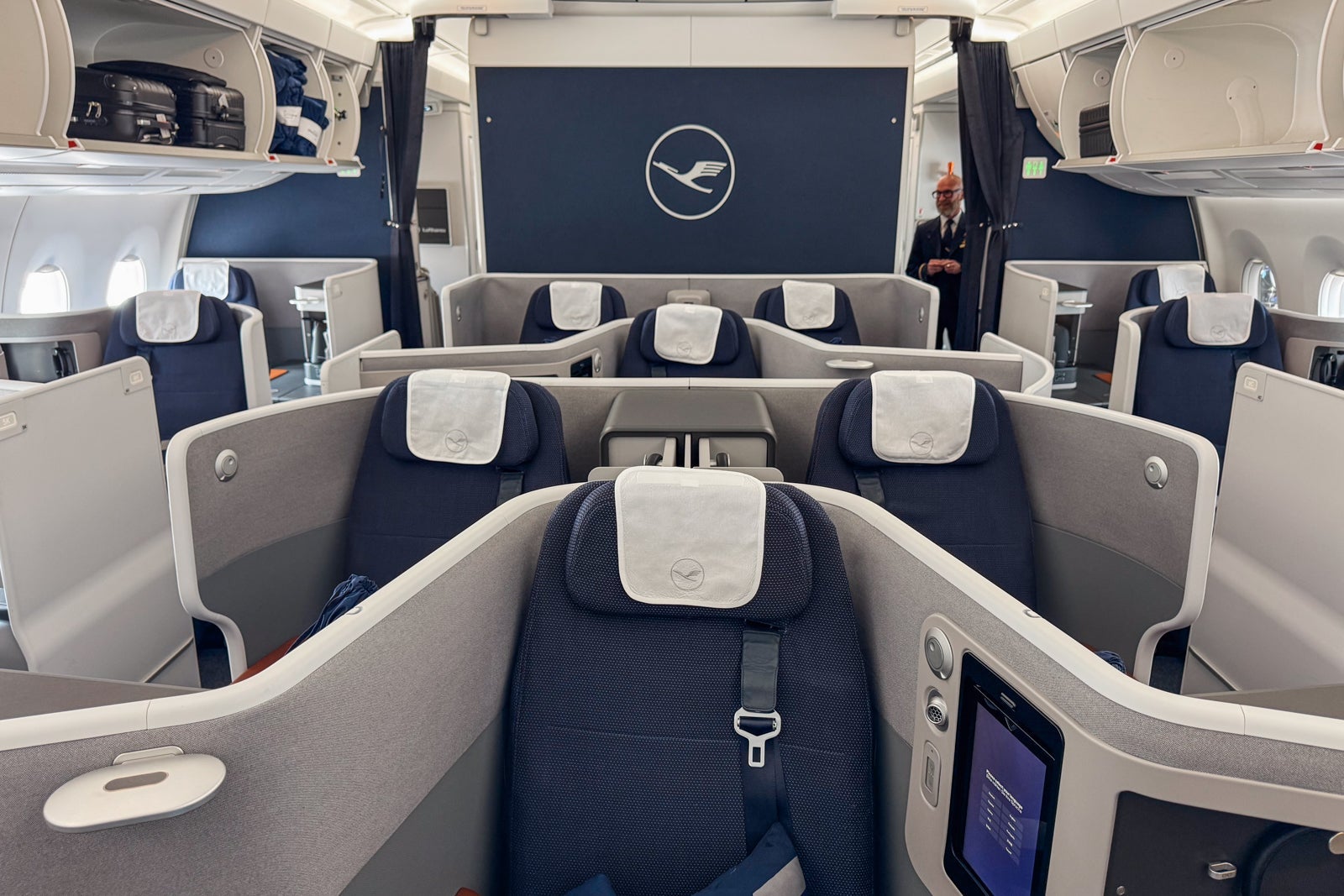
I have always been the type of traveler who spent hours staring at economy class seats, scrolling through budget websites, and hoping for a flight that didn’t leave me with a backache. But then I started hearing about people using credit card points to fly business class, sipping champagne while lying flat across the Atlantic. It sounded like a fantasy, but it turns out, if you have 100,000 Chase Ultimate Rewards points, that dream is actually reachable. Here is what I learned about navigating this system.
First off, let’s talk about why Chase Ultimate Rewards are the gold standard for beginners like us. They are incredibly flexible. Instead of being stuck with one airline’s restrictive program, you can transfer these points to several different partners. If you play your cards right, those 100,000 points can cover a one-way business class ticket to Europe with miles to spare.
The Strategy: Transfer Partners Are Key
The biggest mistake I almost made was trying to book a flight through the Chase travel portal. While the portal is easy, you rarely get the best value there. Instead, you need to master the art of the transfer partner. By moving your points directly to airline programs, you can often unlock “sweet spots” in their award charts.
For flights to Europe, these are the partners you should keep on your radar:
- Air Canada Aeroplan: This is a favorite because they have a massive network of Star Alliance partners like United, Lufthansa, and SWISS.
- British Airways Executive Club: Great for flying on partners like Iberia or Aer Lingus, especially if you want to avoid massive fuel surcharges.
- Virgin Atlantic Flying Club: Often provides fantastic value for flights on Air France or KLM.
- United MileagePlus: Known for being very user-friendly, even if the “dynamic pricing” can sometimes be a bit high.
Crunching the Numbers: Why Business Class Matters
When you use points for an economy ticket, you might get a value of 1 cent per point. But when you use those same points for a business class seat, the value often jumps to 3, 5, or even 8 cents per point. That is where the real “travel hacking” magic happens.
Take a look at this general breakdown of what 100,000 points can realistically get you:
| Airline Program | Typical Business Class Cost (One-Way) | Best Benefit |
|---|---|---|
| Air Canada Aeroplan | 60,000 – 80,000 points | Access to many Star Alliance carriers |
| Virgin Atlantic | 50,000 – 75,000 points | Great for flights to London or Paris |
| United MileagePlus | 70,000 – 90,000 points | No last-minute booking fees |
Pro Tips for Success
If you are planning this trip, here is some advice I picked up along the way that saved me a lot of stress. First, always search for award availability before you transfer your points. Once you transfer points from Chase to an airline, that transaction is usually final. You cannot move them back. Use tools like Point.me or AwardHacker to scan for available seats before you pull the trigger.
The best time to book international business class is either as soon as the flight schedule opens (about 11 months in advance) or in the final two weeks before departure. Middle-ground booking is often the most expensive.
Another thing to watch out for is fuel surcharges. Some airlines will pass on hundreds of dollars in “taxes and fees” to your ticket even if you pay for the seat with points. If you see a $600 fee on a “free” ticket, keep looking! Aim for carriers like United, Iberia, or Aer Lingus, which usually keep these cash out-of-pocket costs very low.
Finally, do not be afraid of the “repositioning flight” trick. Sometimes a business class flight from your home city to Europe is 200,000 points, but a flight from New York or Boston is only 60,000 points. It is often cheaper to pay for a cheap domestic flight to a major hub and start your luxury journey from there. Happy flying!