
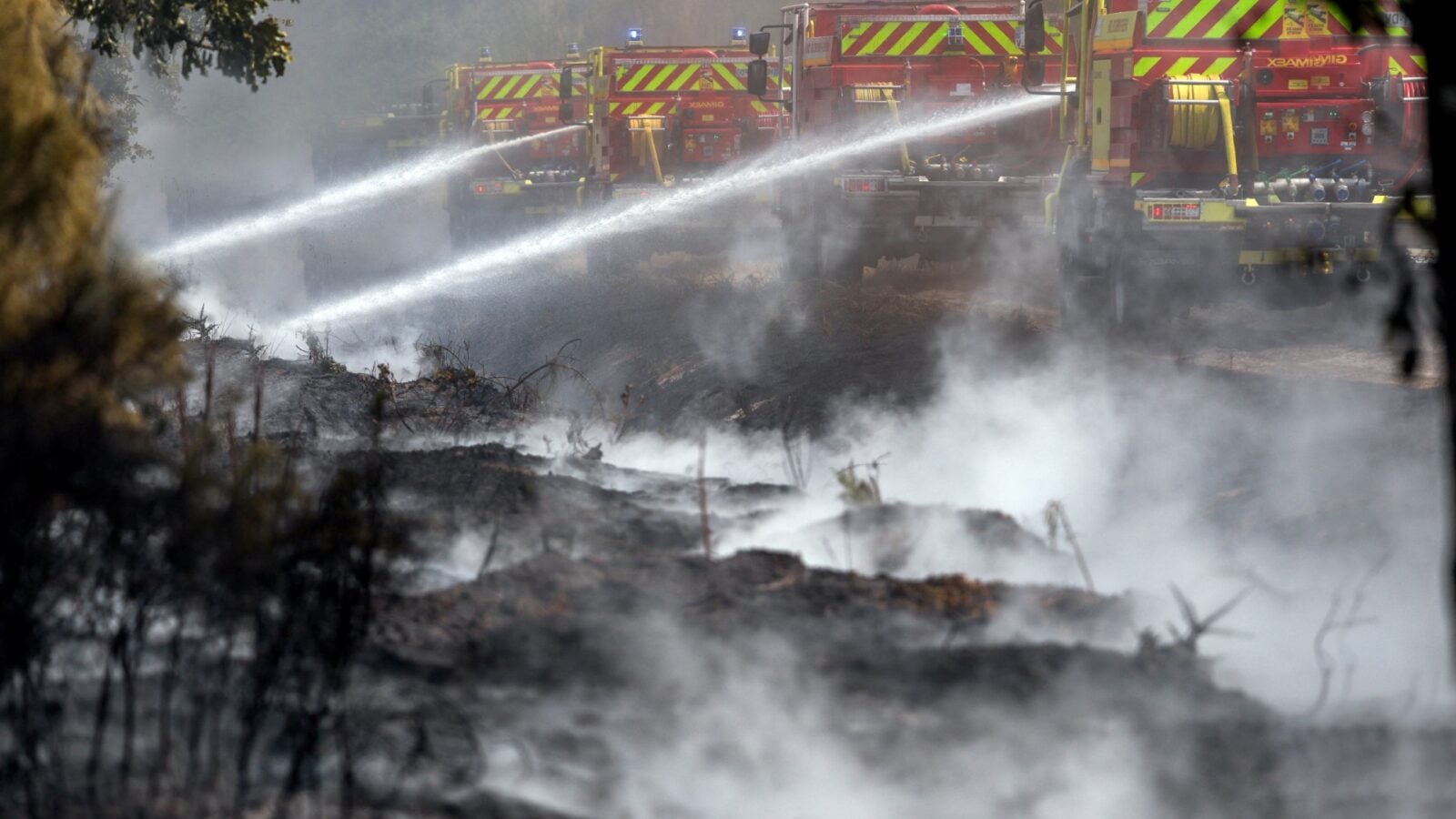
A wave of profound relief has swept through the Gironde department as approximately 84,000 evacuated residents are finally authorized to return to their homes starting this Thursday. This long-awaited permission marks a critical turning point for tens of thousands who have endured days, and in some cases, more than a week, of agonizing uncertainty, displaced from their communities by the relentless march of a colossal wildfire. However, even amidst this significant moment of respite, the fight is far from over. The destructive blaze, often described as a ‘monster of fire,’ continues its devastating trajectory across the region, remaining unstabilized and actively consuming vast stretches of precious landscape. The toll on the environment and the local populace is immense, with over 42,000 hectares of forest already devoured since the fire began its furious spread on Wednesday, July 22.
The Scale of the Catastrophe: A Deeper Look at the Gironde Fires
The fires in Gironde, a region renowned for its vineyards, Atlantic coastline, and extensive pine forests, have presented an unprecedented challenge to emergency services. Originating in areas like Landiras and La Teste-de-Buch, these blazes quickly escalated due to a confluence of severe factors: prolonged drought conditions, record-breaking heatwaves, and strong, unpredictable winds that fanned the flames across the dry, resinous vegetation. The Landes de Gascogne forest, Europe’s largest man-made forest primarily composed of maritime pine, has proven to be particularly susceptible. This vast, continuous expanse of flammable biomass creates a perfect storm for rapid fire propagation, making containment exceedingly difficult.
Firefighters from across France and neighbouring European countries have been deployed, battling multiple fronts tirelessly. The complex topography, often dense with undergrowth and challenging to access, combined with the sheer scale of the inferno, has pushed resources to their limits. Aerial support, including water-bombing planes and helicopters, has been crucial but insufficient to bring the ‘monster’ under control, highlighting the evolving nature of extreme weather events linked to climate change.
The Human Element: The Evacuees’ Ordeal and Return
For the 84,000 individuals who can now return, the journey home is laden with a mix of relief, trepidation, and the profound trauma of displacement. Many have spent days in emergency shelters, with friends, or in temporary accommodation, their lives paused, watching anxiously for news. The psychological impact of such an event cannot be overstated; the fear of losing homes, livelihoods, and cherished memories leaves lasting scars. Returning to areas that have been scarred by fire, even if homes remain intact, means confronting a landscape forever altered, a stark reminder of the close call.
The authorization to return is granted only after careful assessment by authorities, ensuring that immediate dangers have subsided, even if the fire is not yet fully extinguished. This phased return allows residents to begin the process of rebuilding their lives and assessing damages. However, it also demands continued vigilance, as pockets of fire can reignite, and the structural integrity of infrastructure might be compromised.
Navigating the Aftermath: Essential Advice for Returning Residents
For those returning home, authorities and experts offer critical advice to ensure safety and facilitate recovery:
- Safety First: Before entering your property, conduct a visual inspection for any visible damage, downed power lines, or active embers. Report any suspicious findings to emergency services immediately.
- Utility Checks: Do not turn on electricity or gas until a professional has verified their safety. Damaged wiring or gas lines can pose severe risks.
- Air Quality: Even if the fire is distant, smoke and ash can linger, affecting air quality. Use N95 masks, keep windows closed, and use air purifiers if available. Children, the elderly, and those with respiratory issues are particularly vulnerable.
- Structural Integrity: Be wary of weakened structures, falling debris, or unstable trees, especially near your property. Avoid damaged areas.
- Documentation for Insurance: Take comprehensive photos and videos of any damage before beginning cleanup. This documentation will be vital for insurance claims. Keep receipts for any emergency repairs or temporary living expenses.
- Food and Water Safety: Discard any food or bottled water that may have been exposed to extreme heat, smoke, or contaminants.
- Mental Health Support: The emotional toll can be significant. Do not hesitate to seek support from local community centres, mental health professionals, or support groups if you are struggling.
- Stay Informed: Continue to monitor official news and alerts from local authorities regarding the fire’s status and any further safety instructions.
Broader Context: Wildfires in a Changing Climate
The Gironde fires are not an isolated incident but rather a stark illustration of a growing global crisis. Europe, particularly its southern regions, has experienced an alarming increase in the frequency and intensity of wildfires in recent years, directly attributable to climate change. Record temperatures, prolonged heatwaves, and severe droughts create tinderbox conditions, transforming once-manageable fires into infernos that defy traditional firefighting methods. The economic repercussions are substantial, impacting tourism, agriculture, and the vital timber industry. Environmentally, the destruction of thousands of hectares of forest leads to significant biodiversity loss, soil erosion, and massive carbon emissions, further exacerbating climate change.
The Path Forward: Prevention and Resilience
As the Gironde region begins its arduous recovery, the emphasis must shift towards long-term prevention and building resilience against future disasters. This includes enhanced forest management practices, such as strategic clearing of undergrowth, creating firebreaks, and promoting diversified, less flammable tree species. Public awareness campaigns are also crucial, educating residents on how to prevent accidental ignitions and prepare their properties for potential fire threats. Investment in advanced surveillance technologies and strengthened international cooperation for firefighting resources will be essential. The Gironde fires serve as a poignant reminder that while relief washes over those returning home, the collective effort to adapt, prevent, and mitigate the impacts of climate-induced wildfires is a continuous, urgent imperative for communities worldwide.