
Cruise Ship Becomes Epicenter of Deadly Viral Spread
A deeply concerning situation is unfolding in France as a deadly hantavirus outbreak, originating on a cruise ship, has led to a critically ill patient requiring advanced life support. The latest reports indicate that a French woman, infected during a voyage, is currently in a grave condition and is being treated with an artificial lung. This grim development underscores the severity of the hantavirus transmission and the growing concern surrounding the epidemic.
The outbreak, which initially saw a smaller number of cases, has now expanded significantly, reaching a total of 11 reported cases. Of these, 9 have been confirmed, suggesting a substantial and ongoing spread of the virus among individuals who were on board the affected cruise ship. The precise details regarding the ship’s itinerary and the timeline of the outbreak are still being investigated, but the focus remains on containing the virus and providing the best possible care to those affected.
The use of an artificial lung, also known as extracorporeal membrane oxygenation (ECMO), signifies the extreme severity of the patient’s respiratory failure. ECMO is a life-saving technology used when a patient’s lungs are too damaged to provide sufficient oxygen to the body. It essentially functions as an external lung, circulating and oxygenating the blood before returning it to the body. The fact that this advanced treatment is necessary highlights the aggressive nature of the hantavirus strain involved in this outbreak and the profound impact it can have on the human respiratory system.
Understanding Hantavirus and Its Dangers
Hantaviruses are a group of viruses primarily transmitted to humans through contact with infected rodents, particularly mice and rats. While person-to-person transmission is rare for most hantaviruses, some strains, notably those causing hemorrhagic fever with renal syndrome (HFRS) and hantavirus pulmonary syndrome (HPS), can lead to severe and often fatal illnesses. The symptoms typically begin with flu-like symptoms, including fever, headache, and muscle aches, but can rapidly progress to severe respiratory distress, pulmonary edema, and shock.
The current outbreak’s association with a cruise ship presents a unique set of challenges for public health officials. Cruise ships, by their nature, are enclosed environments where close contact among passengers and crew is common, creating a fertile ground for the rapid spread of infectious diseases. The potential for widespread transmission among passengers who have since disembarked and returned to their homes further complicates containment efforts.
Investigations are ongoing to determine the exact source of the initial infection and the specific strain of hantavirus involved. Public health authorities are working diligently to trace the movements of infected individuals and to implement rigorous disinfection protocols to prevent further contamination. The cruise line involved is cooperating fully with health authorities, providing passenger manifests and assisting in contact tracing efforts.
Public Health Response and Patient Care
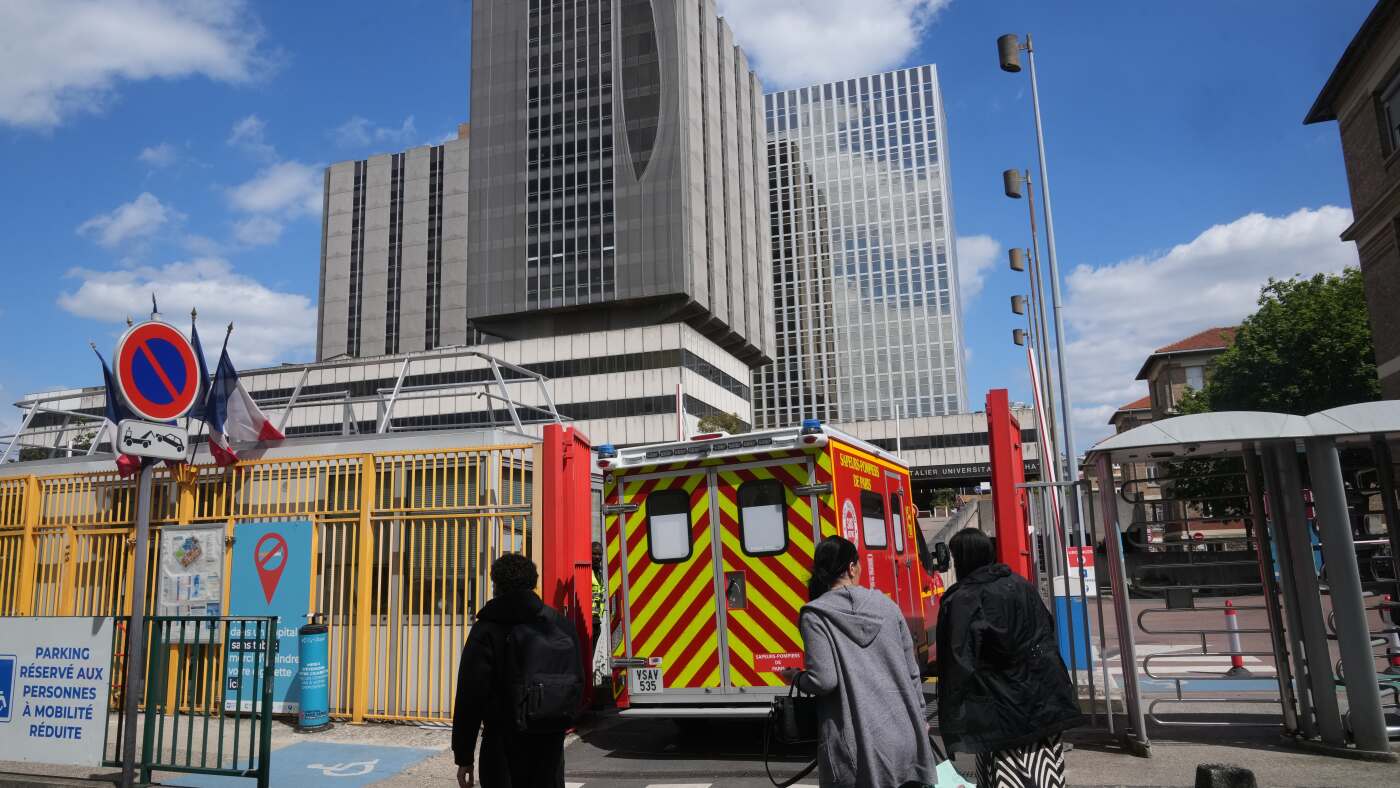
In Paris, the hospital caring for the critically ill French woman has become a focal point of the medical response. Medical professionals are employing all available resources and expertise to combat the virus and support the patient’s vital functions. The situation demands a coordinated and swift response from national and international health organizations to monitor the outbreak’s progression and to share crucial information regarding prevention and treatment strategies.
Key aspects of the ongoing investigation and response include:
- Contact Tracing: Identifying all individuals who may have come into contact with confirmed cases, both on the cruise ship and after disembarkation.
- Environmental Decontamination: Thorough cleaning and disinfection of the affected areas on the cruise ship and any other potentially contaminated locations.
- Surveillance: Enhanced monitoring for new cases of hantavirus infection, particularly among those who traveled on the affected ship.
- Public Health Advisories: Issuing guidance and warnings to the public, especially to those who may have been in contact with rodents or visited areas where hantaviruses are prevalent.
- Research and Development: Continued efforts to understand the specific characteristics of this hantavirus strain and to develop effective treatments and vaccines.
The critical condition of the French patient serves as a stark reminder of the inherent dangers posed by hantaviruses. The rising number of cases highlights the need for unwavering vigilance and a robust public health infrastructure capable of responding effectively to emerging infectious disease threats. The coming days and weeks will be crucial in determining the trajectory of this outbreak and the success of the containment measures being implemented.
The severity of this hantavirus case, necessitating artificial lung support, is a cause for significant concern and emphasizes the aggressive nature of the virus.
The situation continues to evolve, and updates will be provided as more information becomes available. The focus remains on patient care, thorough investigation, and the implementation of comprehensive public health strategies to mitigate the impact of this worrying outbreak.