
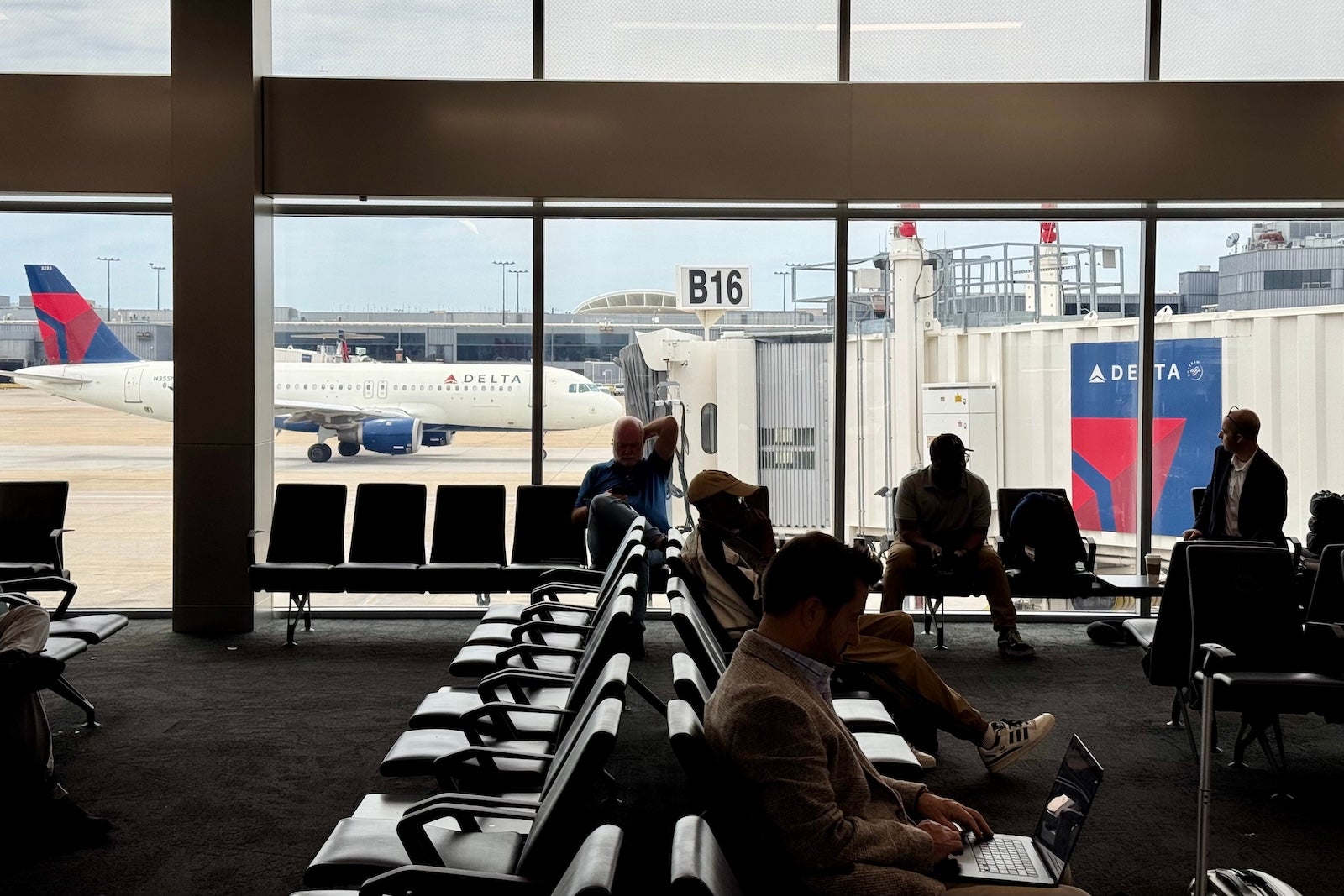
If you’ve recently dipped your toes into the world of flight booking for your upcoming summer adventures, you might have felt a sharp sting. The news is out, and it’s not pretty: airfares have soared by an average of 27%. Yes, you read that right. That dream vacation to sandy beaches or bustling European cities just became significantly more expensive, primarily driven by a dramatic spike in fuel costs. If you waited until now to book your summer flights, you may indeed be in for a truly unpleasant surprise when you head to the airline’s website. The days of ultra-cheap flights seem to be behind us, at least for now.
But don’t despair just yet! While the landscape has undoubtedly shifted, there are still strategies you can employ to minimize the damage and perhaps even snag a decent deal. It’s time to become a savvier traveler. Let’s unpack why this is happening and, more importantly, what you can do about it to keep your travel dreams alive without completely draining your wallet.
The Perfect Storm: Why Fares Are Skyrocketing
Understanding the “why” behind the current price surge is crucial. It’s not just one factor; it’s a convergence of several powerful forces creating a perfect storm for travelers’ wallets and making air travel significantly more expensive than it has been in recent memory.
First and foremost, fuel costs are the undisputed heavyweight champion in this scenario. Jet fuel prices are directly linked to crude oil prices, which have seen unprecedented volatility and sustained increases in recent times. Various geopolitical events, supply chain disruptions, and strong global demand have pushed oil prices upwards. Fuel can account for a significant portion, sometimes up to 30-40%, of an airline’s operating expenses. When this critical cost skyrockets, airlines have no choice but to pass a substantial part of it onto consumers to maintain their profitability and operational viability. It’s a direct pass-through that impacts every single ticket.
But that’s not the whole story. Here are other key contributors exacerbating the situation:
- Surging Demand: After years of travel restrictions, lockdowns, and general uncertainty, there’s a palpable and immense eagerness to travel. People are itching to explore, visit family, and take that long-postponed vacation. This pent-up demand, often referred to as “revenge travel,” especially for popular summer destinations, means airlines can charge more because seats are filling up quickly, sometimes months in advance.
- Reduced Capacity: Many airlines scaled back their operations significantly during the height of the pandemic. While they are gradually ramping up, they haven’t always returned to pre-pandemic capacity levels due to a myriad of factors. These include ongoing staffing shortages (pilots, flight attendants, ground crew, air traffic controllers), maintenance backlogs for aircraft, and strategic decisions to prioritize profitability over volume. Fewer flights chasing more eager passengers inevitably leads to higher prices.
- Inflation: The general rise in prices across the broader economy affects airlines too, just like any other business. Labor costs, aircraft maintenance, airport fees, catering services, and even the cost of marketing and technology have all increased. These higher operating costs contribute to the overall hike in ticket prices.
- Airline Profitability Goals: After sustaining significant financial losses during the pandemic, airlines are eager to recover and return to healthy profit margins. Higher fares are a direct path to achieving this goal, especially when the current demand allows for such pricing strategies without deterring too many travelers.
What This Means for Your Travel Plans
The immediate implication for you as a traveler is obvious: your travel budget will almost certainly need to be adjusted upwards. A round-trip ticket that might have cost you $400 last year for a domestic route could now easily be $500 or more for the same route and dates. This impact is particularly felt by those planning last-minute summer getaways, as these tend to be the most expensive tickets due to limited availability and high demand.
“I was absolutely shocked when I saw the prices for a simple cross-country flight this July. It’s almost double what I paid two years ago! I guess my beach trip will either have to wait until fall or be significantly shorter to fit my budget.” – A disheartened traveler contemplating their summer plans.
Beyond the initial sticker shock, it also means that flexibility, strategic planning, and a bit of cunning are no longer just good ideas – they’re absolute necessities if you want to fly without completely draining your savings. The era of casually booking flights a few weeks out for peak travel times is largely over, at least for the foreseeable future.
Smart Booking Tips to Beat the Price Hike (or at least soften the blow)
While we can’t control global fuel prices or the collective demand for travel, we can absolutely control how and when we approach booking our flights. Here are some actionable tips to help you navigate these expensive skies and maximize your chances of finding a more affordable fare:
- Book Early, Early, Early: This is perhaps the most critical piece of advice right now. For domestic flights, aim to book anywhere from 1 to 3 months in advance. For international travel, pushing that to 3 to 6 months, or even further for highly popular destinations and peak seasons, can yield significant savings. The closer you get to your departure date, especially during peak season, the higher the prices will climb as inventory dwindles.
- Be Flexible with Your Dates: This can save you hundreds. Flying on Tuesdays, Wednesdays, or Saturdays is often cheaper than flying on peak travel days like Fridays and Sundays. Consider flying during the shoulder season (e.g., May, early June, or September) rather than the absolute peak of summer (July-August) if your schedule allows. Even shifting your trip by a day or two can reveal vastly different price points.
- Consider Alternative Airports: Don’t just search for flights to the biggest or most obvious airport in your destination city. Look at smaller, secondary airports nearby. Sometimes, the savings on the flight can outweigh the minor cost and inconvenience of a short drive, train, or bus ride to your final destination. For example, flying into Oakland instead of San Francisco, or Baltimore instead of Washington D.C.
- Utilize Comprehensive Flight Comparison Tools: Websites like Google Flights, Skyscanner, Kayak, and Expedia are your best friends. They allow you to compare prices across multiple airlines and dates simultaneously. Many even have “explore” features where you can input your departure airport and see prices to various destinations if you’re flexible on where you go.
- Set Price Alerts: Most flight comparison sites and many airline apps offer the option to set up price alerts for specific routes and dates. You’ll receive an email notification when the fare for your desired route drops or changes significantly. This passive approach can help you snag a deal without constantly checking manually.
- Beware of Budget Airlines (and their caveats): Airlines like Spirit, Frontier, and Ryanair often advertise incredibly low base fares. However, be sure to factor in all the potential additional costs: baggage fees (for both carry-on and checked luggage), seat selection fees, in-flight food and beverages, and even fees for printing your boarding pass at the airport. Sometimes, a seemingly “cheaper” budget flight can end up costing more than a full-service airline once all the extras are added.
- Fly with a Stopover: Direct flights are almost always more expensive than flights with one or more layovers. If time isn’t a critical factor, consider adding a stop. Just ensure the layover times are reasonable and allow for smooth connections.
- Clear Your Cache & Use Incognito Mode: While airlines and booking sites generally deny dynamic pricing based on your search history, some seasoned travelers swear by searching for flights in incognito or private browsing mode and clearing browser cookies. It might not always yield results, but it’s a simple step that can’t hurt and might occasionally reveal a different price.
- Leverage Loyalty Programs and Credit Card Points: If you’re a frequent flyer with a particular airline or have travel rewards credit cards, now is absolutely the time to cash in those accumulated points and miles. They can significantly reduce or even completely eliminate the cash cost of your ticket, offering immense value during periods of high fares.
- Sign Up for Airline Newsletters & Deal Alerts: Many airlines and dedicated travel deal sites (like The Flight Deal, Scott’s Cheap Flights) send out notifications for flash sales, discounted routes, or even occasional mistake fares. Being on these mailing lists can give you an edge and alert you to fleeting opportunities.
Beyond Flying: Alternative Summer Travel Ideas
If the cost of air travel remains prohibitive even after employing all these clever tips, don’t let it derail your summer plans entirely. There are fantastic alternatives that can offer just as much joy and relaxation without the hefty price tag associated with air travel right now.
- The Great American Road Trip: Rediscover the joy of the open road. With gasoline prices also being a concern, consider carpooling with friends or family, or exploring destinations closer to home that require less fuel. Road trips offer unparalleled flexibility, spontaneity, and the chance to discover hidden gems along the way.
- Staycation Deluxe: Transform your local area into a vacation hotspot. Explore local attractions you’ve always meant to visit, try new restaurants, or book a night or two at a fancy hotel or bed-and-breakfast right in your own city or a neighboring town. You’d be surprised what treasures and relaxing experiences lie in your own backyard.
- Train Travel: For certain routes, especially along the coasts or between major cities that are relatively close, train travel can be a scenic, relaxing, and often more affordable alternative to flying. It offers a different pace and perspective on travel.
- Adjust Your Expectations: Maybe this isn’t the year for that long-haul international trip to multiple European capitals. Perhaps a shorter, closer, or less popular domestic destination could offer just as much joy, relaxation, and new experiences without the astronomical price tag. Sometimes, scaling down your ambitions can lead to unexpectedly wonderful discoveries.
Looking Ahead: The Future of Airfares
It’s challenging to predict precisely when airfares might stabilize or decrease significantly. As long as global fuel costs remain elevated and travel demand continues to outstrip available airline capacity, we can generally expect prices to remain on the higher side. However, the market is dynamic. Keep an eye on global crude oil prices, airline announcements regarding new routes or increased capacity, and any major shifts in economic conditions that could influence consumer spending or operational costs.
For now, the key takeaway is clear: proactive planning, meticulous research, and strategic booking are your best allies in this era of soaring airfares. Don’t let the sticker shock deter you entirely, but rather empower you to become a savvier, more resourceful traveler. Armed with these tips, you’re better prepared to navigate the skies and hopefully still achieve your summer travel dreams. Happy (and hopefully affordable) travels!