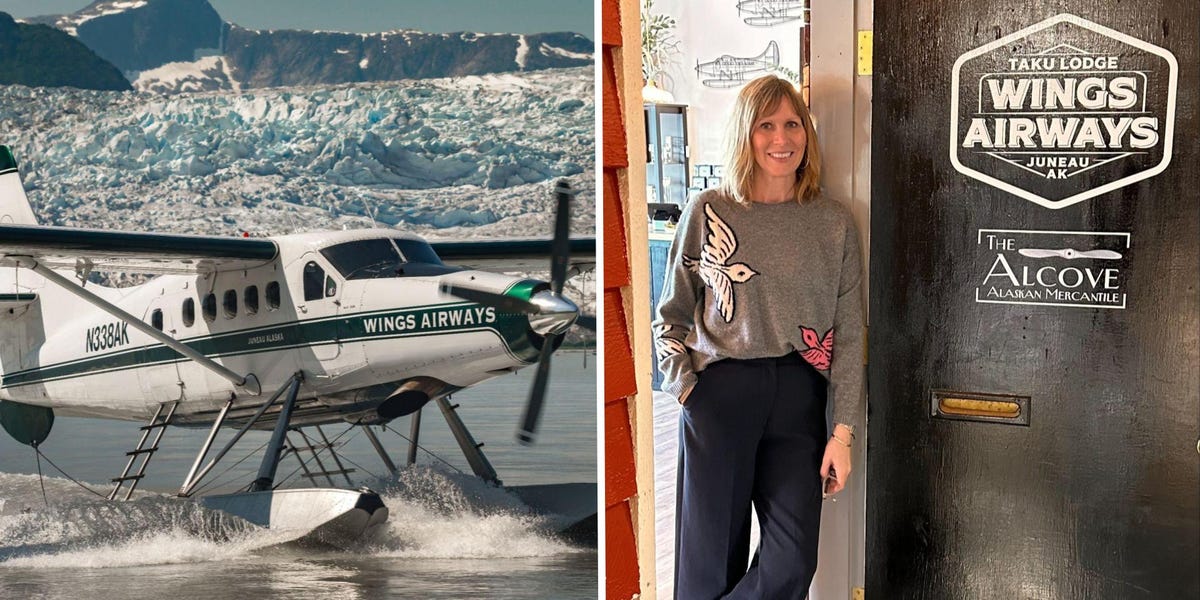
The Alaskan cruise industry, a behemoth contributing significantly to the state’s economy, is facing a critical juncture. While tourism fuels numerous businesses, the sheer volume of cruise ships visiting Alaskan ports, particularly Juneau, has sparked concerns about the long-term sustainability of the region and its quality of life for residents. Three Juneau businesses, directly reliant on the cruise industry, have publicly voiced their support for implementing cruise ship and passenger limits, highlighting a growing movement advocating for a more balanced approach to tourism.
This isn’t simply a case of disgruntled residents versus the cruise industry. These businesses, representing diverse sectors within the tourism economy, recognize the potential for irreparable damage if the current trajectory continues. The argument isn’t against tourism itself, but rather against uncontrolled growth that threatens to overwhelm the infrastructure, environment, and social fabric of Juneau and other Alaskan communities.
The Strain on Juneau’s Infrastructure
The influx of cruise passengers, often numbering thousands daily, puts significant strain on Juneau’s infrastructure. Limited dock space leads to congestion and delays, impacting not only cruise operations but also local businesses reliant on efficient port operations. The city’s sewage and water systems, designed for a smaller population, are regularly pushed to their limits, raising environmental concerns and the risk of potential failures. Moreover, the sheer volume of visitors overwhelms the city’s transportation network, leading to traffic jams and difficulties for both residents and tourists navigating the city.
Beyond the tangible infrastructure, the impact on Juneau’s residents is profound. The sudden influx of tourists transforms the city’s character, impacting daily life for residents. The increased traffic, noise, and crowds make daily commutes and routine tasks more challenging. The availability of affordable housing is also affected by the high demand for accommodation related to tourism, displacing residents and escalating housing costs.
Environmental Concerns: A Delicate Ecosystem
Alaska’s pristine natural beauty is a significant draw for cruise tourists, but the very tourism that celebrates this beauty also poses a risk. The environmental impact of cruise ships, including waste disposal, air and water pollution, and potential damage to delicate ecosystems, cannot be ignored. While the cruise industry has made strides in environmental responsibility, the sheer number of vessels visiting Alaskan waters still presents significant challenges.
Furthermore, the increased foot traffic in sensitive ecological areas, such as national parks and wildlife habitats, raises concerns about habitat disruption and disturbance of wildlife. Sustainable tourism requires a delicate balance between showcasing the beauty of Alaska and protecting its fragile environment for future generations. The current level of cruise ship traffic makes achieving this balance increasingly challenging.
The Economic Argument for Limits: Quality over Quantity
While the economic benefits of the cruise industry are undeniable, focusing solely on the volume of tourists misses a crucial point: the importance of quality tourism. A more controlled approach allows for a higher-quality tourist experience, better distribution of economic benefits among local businesses, and a more sustainable long-term strategy. Restricting cruise ship numbers could lead to higher spending per tourist, benefiting local businesses more directly and fostering a more respectful and mutually beneficial relationship between visitors and residents.
The three Juneau businesses that support cruise ship limits understand this nuanced argument. They recognize that a more sustainable approach, while potentially impacting short-term revenue, offers far greater long-term benefits. By advocating for responsible tourism, these businesses are not only protecting their livelihoods but also contributing to the preservation of Alaska’s unique identity and environment for future generations.
Looking Ahead: Balancing Tourism and Preservation
The debate over cruise ship limits in Alaska highlights the complex interplay between economic development and environmental sustainability. It underscores the need for a more holistic approach to tourism, one that prioritizes the well-being of both residents and the environment. Finding a balance that ensures the continued economic benefits of tourism while mitigating its negative impacts will require collaboration between the cruise industry, local governments, and communities. The ongoing dialogue reflects a growing recognition that sustainable tourism is not just a buzzword but a necessary strategy for preserving Alaska’s unique character for years to come.