
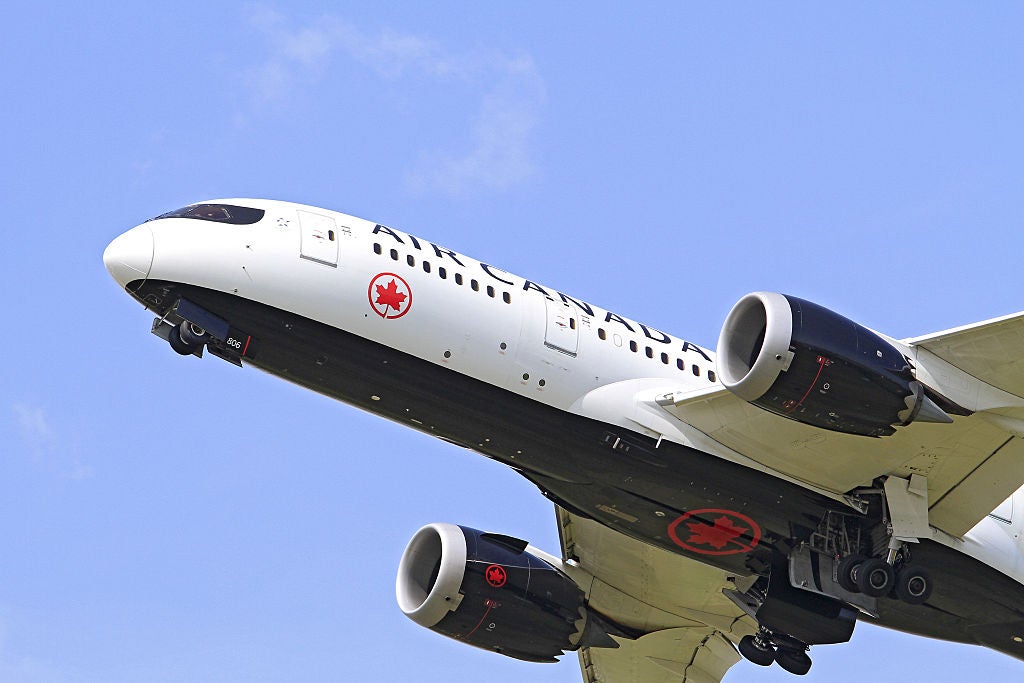
In a significant shift of its North American operational strategy, Air Canada, the nation’s flag carrier, has officially announced the suspension of several seasonal routes connecting Canada to key destinations within the United States. This decision, which impacts travelers planning trips to Sacramento, Raleigh, Charleston, and Austin, underscores the growing pressure that fuel costs and broader economic volatility are placing on the aviation industry. As the airline continues to navigate a post-pandemic landscape defined by shifting demand patterns and rising overheads, this move serves as a tactical recalibration of its flight network.
The core justification provided by the airline for these cancellations centers on the rising price of jet fuel. Fuel typically represents one of the largest variable expenditures for any global airline. When prices remain elevated or volatile, carriers are forced to re-examine the profitability of individual routes, particularly those that are seasonal in nature. By cutting these specific connections, Air Canada aims to optimize its fleet deployment and protect its margins against the squeeze of increasing operating expenses.
Impacted Markets and Strategic Rationale
The destinations affected by this policy shift represent a diverse array of mid-sized American markets that Air Canada had previously identified as growth opportunities. These include:
- Sacramento, California: A vital gateway for northern California business and leisure travel.
- Raleigh-Durham, North Carolina: A hub for tech and research sectors.
- Charleston, South Carolina: An increasingly popular destination for tourism and corporate events.
- Austin, Texas: A rapidly growing tech and cultural epicenter.
From an expert perspective, these specific route cuts are not merely about fuel efficiency. They reflect a broader trend where major carriers are focusing their resources on high-traffic, “fortress” hubs. Smaller secondary markets, which often rely on thinner profit margins and precise load factors, are frequently the first to be compromised when external cost pressures mount. The airline is essentially moving away from an expansionist phase toward a more conservative, yield-focused approach.
Financial Implications and Future Outlook
The aviation sector remains notoriously sensitive to macroeconomic conditions. With global oil markets subject to geopolitical tensions and fluctuating demand, the cost of kerosene-based aviation fuel has become a major roadblock to stable pricing. For passengers, these cancellations mean fewer non-stop options between Canada and the United States, likely resulting in longer transit times through major hubs like Toronto (YYZ), Montreal (YUL), or Vancouver (YVR).
Industry analysts have noted that this is not an isolated incident for Air Canada. The airline has been systematically pruning its U.S. network over the past few quarters as it seeks to rationalize its schedule. This trend suggests that the competitive landscape between major airlines is becoming increasingly fierce, with carriers prioritizing routes that offer the highest return on investment per seat-mile.
According to a statement released by the airline regarding its broader network strategy:
We are continuously evaluating our route network to ensure our capacity matches the current economic environment. While these suspensions are regrettable, they are a necessary measure to manage rising operational costs and ensure the long-term financial health of our global network.
Looking ahead, the industry will be watching closely to see if these routes are revived in future seasons or if they represent a more permanent strategic exit from these markets. For now, travelers and travel agencies must adjust their plans, as the convenience of direct regional service between these specific U.S. cities and Canada diminishes. The challenge for Air Canada remains balancing its mandate as a national carrier, which requires connectivity, with the cold, hard realities of financial sustainability in a high-cost environment.
This development serves as a stark reminder to the travel industry and stakeholders that the aviation business is currently in a state of flux. As costs rise and consumer spending potentially cools, airlines will continue to favor agility and cost control over widespread expansion. Passengers should expect continued volatility in flight schedules throughout the coming year as companies remain hyper-focused on their bottom lines.