
Okay, so I’ve been reading about this whole “Level 3 travel advisory” thing, and it’s got me scratching my head. The US State Department says “reconsider travel” or even “avoid travel entirely” for certain countries, but apparently, tons of people are still going! It makes you wonder: are we being overly cautious, or are we missing out on some seriously cool places? This article dives into six destinations that are bucking the trend, and I’m here to break it all down for you.
What’s the Deal with Travel Advisories Anyway?
First things first, let’s talk about these travel advisories. The US State Department uses a four-level system: Level 1 (Exercise Normal Precautions), Level 2 (Exercise Increased Caution), Level 3 (Reconsider Travel), and Level 4 (Do Not Travel). A Level 3 advisory usually means there’s a significant risk to travelers, possibly due to things like political instability, crime, terrorism, or health concerns. But the “risk” is a broad term, and things aren’t always black and white.
For example, a country might have a Level 3 advisory due to pockets of unrest in a specific region, but other areas might be perfectly safe. It’s like saying the whole country is a hurricane zone because one region is experiencing a storm.
Six Destinations Often Misunderstood:
Here are six destinations often slapped with Level 3 advisories, but which still attract plenty of visitors (remember, always do your own research and check the latest advisories before you go!):
- Mexico: Certain regions of Mexico, particularly along the border and in some states notorious for drug cartel activity, often receive Level 3 warnings. However, many popular tourist destinations like Cancun, Riviera Maya, and Puerto Vallarta are generally safe and enjoy thriving tourism sectors. It’s crucial to be aware of your surroundings, avoid risky areas, and stick to well-lit, populated streets, especially at night.
- South Africa: South Africa’s crime rate is a concern, leading to Level 3 advisories for various areas. But, like Mexico, focusing on popular tourist destinations and utilizing reputable tour guides can significantly reduce risks. Major cities like Cape Town offer fantastic experiences with reasonable safety precautions.
- Colombia: Colombia, having undergone significant improvements in security in recent years, still carries a Level 3 advisory in certain regions due to lingering drug-related violence. Nonetheless, major cities such as Medellín and Bogotá are experiencing booms in tourism, boasting vibrant cultures and modern infrastructure. However, travelers should be mindful of their surroundings, and avoid venturing into isolated or high-risk areas.
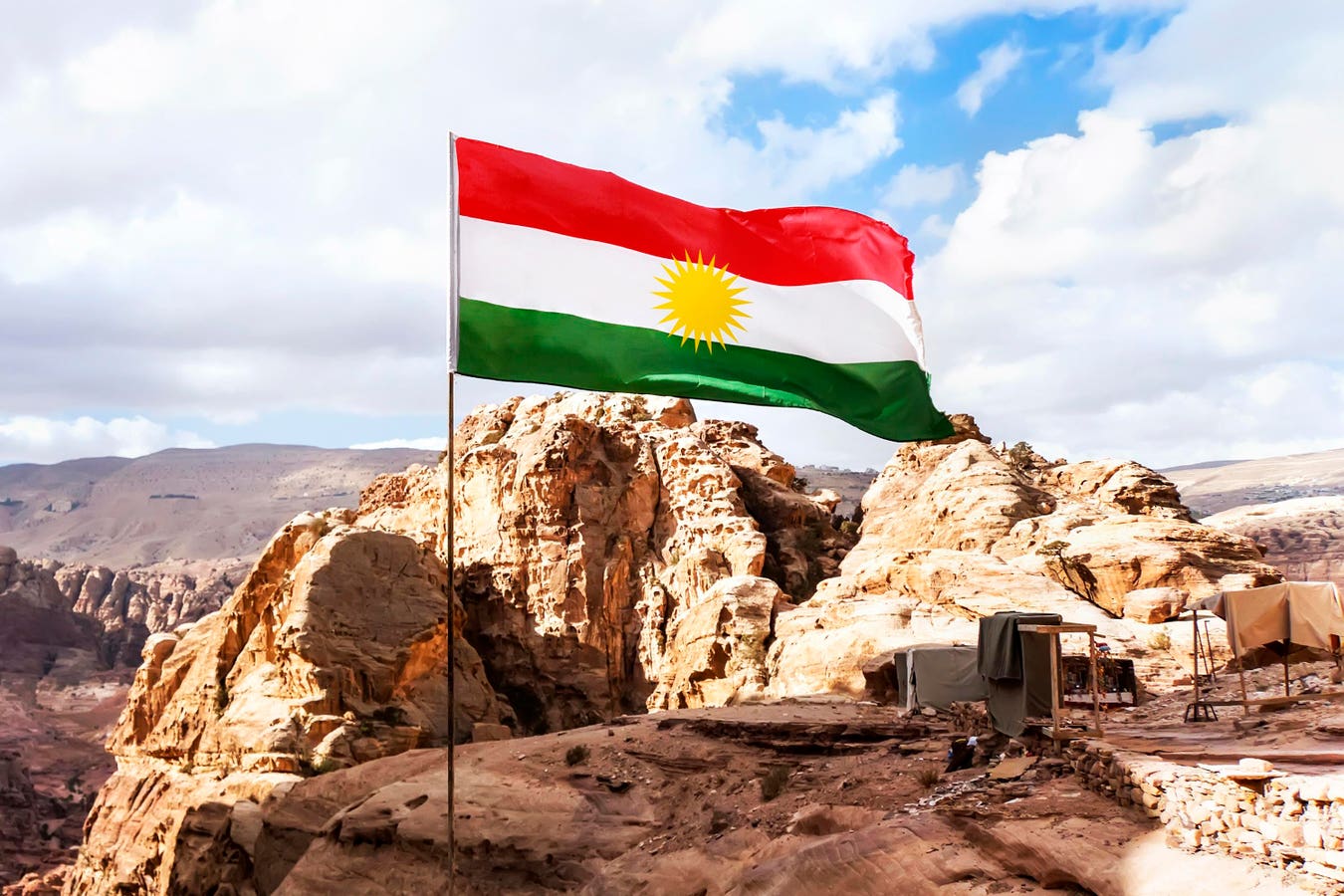
- The Republic of Kurdistan (Northern Iraq): This is a complex one. The region itself is relatively safe for tourists, especially the major cities like Erbil and Sulaimaniyah, but the surrounding areas are volatile, hence the advisory. Many travel advisories focus on the broader geopolitical situation, which might not reflect the specific situation in this autonomous region. However, proceed with caution and avoid independent travel outside of major cities.
- Honduras: Honduras’s advisory often stems from high crime rates and political instability in certain regions. However, the Bay Islands (Roatán, Utila, Guanaja) frequently draw in tourists for scuba diving, snorkeling, and relaxation. These islands are relatively safe compared to mainland Honduras.
- Turkey: While Turkey often features on higher alert levels, mainly because of its political climate and neighboring conflict zones, many parts of the country, especially the major tourist areas such as Istanbul, Antalya and Cappadocia, remain relatively safe. It’s worth checking the specific travel advisory for your intended region before traveling.
Making Informed Decisions:
The key takeaway here isn’t to ignore travel advisories altogether; rather, it’s to understand the nuances. A Level 3 advisory doesn’t mean automatic doom and gloom. Instead of blindly avoiding a country based on an overall warning, carefully research the specific areas you plan to visit and consider the following:
| Factor | Considerations |
|---|---|
| Specific Location | Is the advisory for the entire country, or just certain regions? |
| Type of Risk | Is it crime, political unrest, or health concerns? How can you mitigate those risks? |
| Travel Style | Are you planning independent backpacking or organized tours? Organized tours often offer better safety nets. |
| Time of Year | Do certain seasons increase risks? |
Ultimately, responsible travel means being well-informed. By understanding the complexities of travel advisories and undertaking thorough research, you can make informed decisions about whether or not to visit a destination, even if it has a Level 3 advisory.
Disclaimer: This information is for educational purposes only and doesn’t constitute travel advice. Always check the latest advisories from your government’s travel authority before making any travel plans.