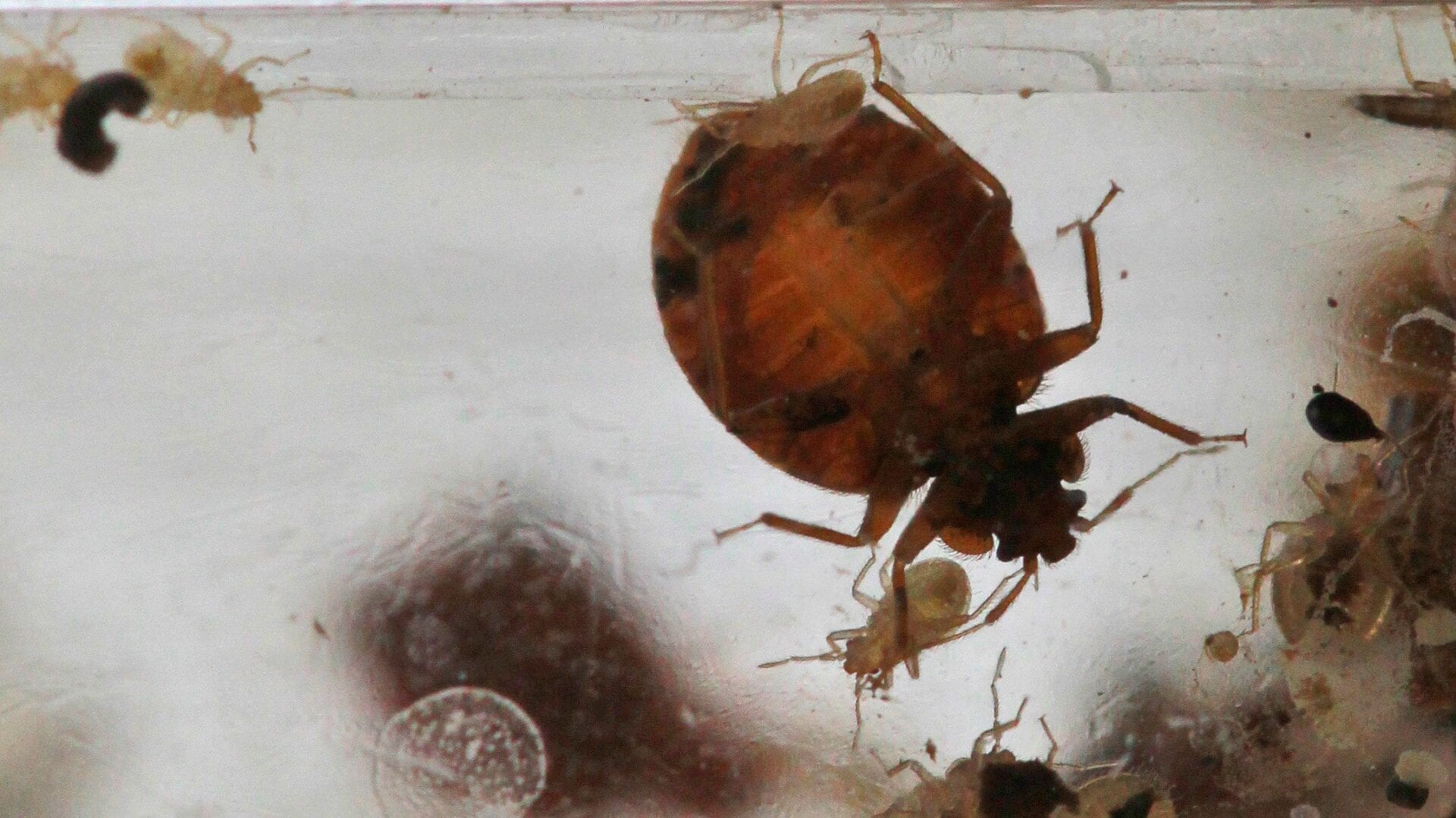
A Crisis Within a Crisis
The news that the Federal Agency Fighting Bed Bugs, specifically the Animal and Plant Health Inspection Service (APHIS) within the U.S. Department of Agriculture (USDA), is itself suffering from a severe bed bug infestation is, to put it mildly, a profound irony. This agency, tasked with safeguarding the nation’s agriculture and plants from invasive species, including insects, finds itself in a predicament that would make even the most seasoned pest control professional wince. What compounds this already dire situation is the reported policy that its workers aren’t allowed to telecommute. This directive, seemingly stemming from the Trump administration’s USDA, forces employees to choose between enduring a “noxious, itchy office” or utilizing their precious vacation days to work from the supposed sanctuary of their homes. This creates an untenable and deeply demoralizing situation for the very individuals tasked with public service.
For those who have, through sheer fortune, escaped the soul-crushing ordeal of a bed bug infestation, it is difficult to truly grasp the pervasive nature of this problem. The invasion of these resilient pests is not merely an inconvenience; it is a relentless onslaught on one’s peace, comfort, and mental well-being. The constant anxiety of being bitten, the itching that can disrupt sleep and focus, and the sheer effort required for eradication create a significant burden. To subject public servants, dedicated to protecting national interests, to such an environment while simultaneously restricting their ability to mitigate the problem by working remotely is, frankly, incomprehensible and unacceptable.
The Science of Bed Bugs: Why This is Such a Pernicious Problem
Bed bugs, scientifically known as Cimex lectularius, are notoriously difficult to eradicate. Their small size, ability to hide in minuscule cracks and crevices, and their rapid reproductive cycle make them a formidable foe. A female bed bug can lay 1 to 5 eggs per day, resulting in hundreds of eggs over her lifetime. These eggs hatch within one to two weeks, and the nymphs mature within approximately 35 days, all the while feeding on blood. This relentless cycle means that even a small initial infestation can quickly escalate into a major problem.
Key facts about bed bugs include:
- Resilience: Bed bugs can survive for months without a blood meal, making it challenging to starve them out.
- Hiding Habits: They are masters of camouflage and concealment, often hiding in seams of mattresses, box springs, furniture, electrical outlets, and even behind wallpaper.
- Detection Difficulty: Early detection is crucial but often difficult due to their nocturnal habits and small size. Signs of infestation include small blood stains on bedding, dark or rusty spots on surfaces (their feces), and the presence of shed exoskeletons.
- Health Impacts: While not known to transmit diseases, bed bug bites can cause itchy welts, allergic reactions, anxiety, and insomnia.
The Policy Paradox: Why Remote Work Matters
The refusal to allow telecommuting for APHIS employees facing a bed bug infestation raises serious questions about leadership priorities and understanding of modern work dynamics. In an era where remote work has proven to be effective for countless industries, particularly in mitigating exposure to environmental hazards, denying this option seems counterproductive. Allowing employees to work from home, even temporarily, would not only protect their health and well-being but also ensure continuity of operations. It would demonstrate a commitment to their welfare and a pragmatic approach to managing an unforeseen crisis.
Consider the following:
“The ability to work remotely is not a luxury; it is a necessity in situations like this. Our employees are on the front lines, exposed to a problem that impacts their daily lives and professional environment. To force them into this situation without recourse is demoralizing and frankly, a failure of leadership.”
The policy of requiring employees to use vacation days to work from home is particularly egregious. Vacation days are intended for rest and rejuvenation, not as a compensatory measure for an employer’s failure to provide a safe working environment. This effectively penalizes employees for circumstances beyond their control.
Navigating the Infestation: Advice for Individuals and Agencies
While the situation at APHIS is unique in its irony, the principles of dealing with bed bug infestations are universal. For individuals experiencing such a problem, professional pest control is paramount. However, proactive measures can also make a significant difference:
Tips for Preventing and Managing Bed Bug Infestations:
- Regular Inspections: Routinely check mattresses, box springs, and furniture for signs of bed bugs, especially after traveling or acquiring used furniture.
- Protective Covers: Use encasements for mattresses and box springs to trap any existing bugs and prevent new ones from nesting.
- Decluttering: Reduce the number of hiding places for bed bugs by minimizing clutter.
- Vacuuming: Frequent vacuuming of carpets, upholstery, and cracks can help remove eggs and live bugs. Dispose of the vacuum bag immediately after use.
- High Heat: Washing bedding and clothing in hot water and drying them on high heat can kill bed bugs.
- Professional Help: For severe infestations, professional exterminators are often necessary. They can utilize methods like heat treatments, steam, and targeted insecticide applications.
For the APHIS agency, a swift and decisive response is crucial. This should involve:
| Action | Description |
|---|---|
| Immediate Professional Treatment | Engage multiple, reputable pest control experts for a comprehensive eradication plan. |
| Temporary Relocation or Remote Work Option | Implement a policy allowing employees to work remotely or from alternative, safe locations until the infestation is resolved. |
| Thorough Environmental Assessment | Investigate the source of the infestation and implement preventative measures to avoid recurrence. |
| Employee Support | Provide clear communication, emotional support, and resources to affected employees. |
The situation at the Animal and Plant Health Inspection Service serves as a stark reminder that even organizations dedicated to protection are not immune to the pervasive threats that exist. The irony of an agency fighting infestations becoming infested itself, coupled with a seemingly inflexible policy regarding remote work, highlights a critical need for adaptability, employee welfare, and a pragmatic approach to crisis management in the modern workplace.