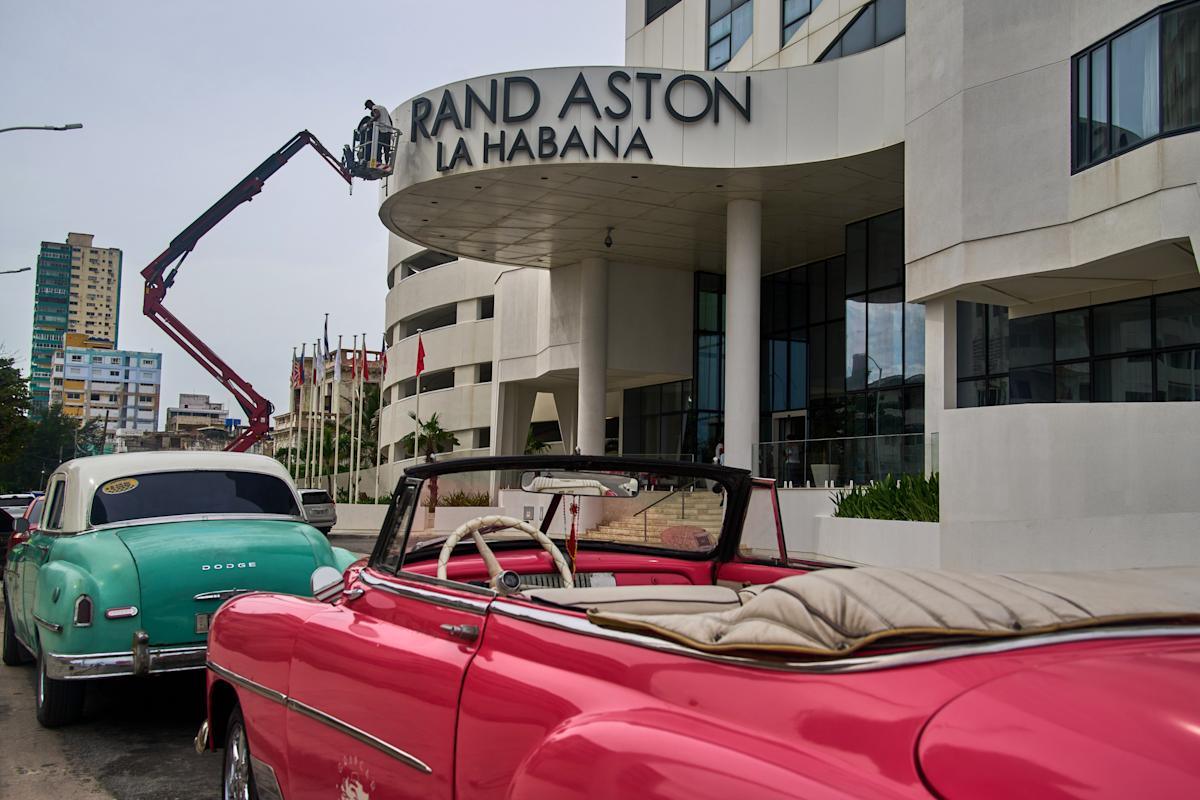
The landscape of the Caribbean tourism sector is undergoing a profound and troubling transformation as one of the industry’s most prominent titans begins its retreat. The Spanish hotel chain Meliá Hotels International, a long-standing architect of Cuba’s luxury hospitality framework, has signaled its intent to shutter or significantly scale back operations on the island. This strategic withdrawal serves as a stark barometer for the deteriorating economic climate that has begun to erode the foundations of the nation’s once-thriving travel industry.
For decades, Meliá acted as a bridge between the vibrant, sun-drenched aspirations of Cuban tourism and the international markets of Europe and beyond. However, the relentless pressure of geopolitical maneuvering, coupled with the tightening grip of U.S. sanctions, has turned the tides against foreign investors. What was once viewed as a tropical gold mine has now become a labyrinth of fiscal uncertainty, prompting global corporations to reconsider their footprints. The departure of a cornerstone brand like Meliá is not merely a corporate restructuring; it is a profound rupture in the infrastructure of the Cuban economy, leaving behind a void that will prove exceptionally difficult to fill.
The impact of this exodus is comparable to the receding of a tide that once sustained the island’s fragile coastal ecosystem. As the corporate giants pull back, they strip away the essential layers of logistical support, international standards, and global marketing reach that keep the gears of the tourism sector turning. The island, often referred to as the Pearl of the Caribbean, now finds itself struggling to maintain its luster as the machinery of global capital pivots away from its shores. The ripple effects of this decision will undoubtedly be felt by local workers, suppliers, and the broader Cuban economy, which has long relied on tourism as a primary lifeline in an era of scarcity.
A Cascade of Challenges: Why Investors Are Fleeing
Several critical factors have converged to create an environment of insurmountable difficulty for foreign operators. The following table highlights the primary drivers forcing companies like Meliá to rethink their commitment to the island:
| Factor | Strategic Implication |
| U.S. Sanctions | Restricted financial transactions and operational hurdles. |
| Supply Chain Fragility | Inability to import basic amenities required for 5-star service. |
| Economic Volatility | Currency fluctuations rendering long-term profit margins unpredictable. |
| Regulatory Hurdles | Cumbersome bureaucratic processes stifling agile management. |
The situation represents a geopolitical bottleneck that has strangled the flow of capital and visitors alike. As the island grapples with these systemic pressures, the withdrawal of Meliá acts as a warning flare to the remaining international investors. It suggests that the cost of maintaining a presence in Cuba has finally eclipsed the potential for gain, turning the dream of a Caribbean sanctuary into an administrative nightmare. The departure is a slow-motion evaporation of confidence, a process whereby the once-vibrant pulse of hotel lobbies is replaced by the hollow echo of shuttered doors.
Industry analysts have characterized this move as the latest blow to a sector already on life support. The tourism industry, which typically accounts for a significant portion of Cuba’s hard currency reserves, is facing a period of unprecedented hibernation. The absence of top-tier international management brands translates into a decline in service quality, a reduction in global brand recognition, and ultimately, a decrease in the high-spending demographic that the country desperately requires to fuel its recovery. It is as if the lighthouse guiding international travelers toward the island has had its light extinguished, leaving potential visitors to navigate toward more stable, albeit less charismatic, horizons.
Ultimately, the retreat of Meliá is a chilling reminder of how international commerce is deeply tethered to the political winds. When those winds shift toward hostility, the structures that seemed most permanent—the marble floors, the expansive resorts, and the promise of tropical luxury—begin to crumble under the weight of external forces. The island now faces a difficult period of introspection, as it must find a way to reinvent its tourism model in a world that is becoming increasingly isolated from its shores. Whether Cuba can cultivate a new strategy for growth amidst this desertion remains a question for the future, but for now, the prevailing sentiment is one of diminishing opportunity and significant structural loss.