
The Shadow of Conflict and the Flickering Flame of Progress
The delicate balance of India’s energy landscape is teetering, threatened by a potent cocktail of geopolitical turmoil and the specter of economic hardship. Reports from across the nation paint a disquieting picture: the gas shortage, a ripple effect of the escalating conflict in Iran, is poised to drag India back into the smoky embrace of dirtier fuels. This is not merely an abstract economic concern; it is a tangible threat to the air we breathe, the health of our communities, and the hard-won environmental progress we have striven to achieve.
The irony is stark. While India has been diligently charting a course towards cleaner energy, embracing renewable sources and striving to curb its carbon footprint, this external shock threatens to unravel years of careful planning. The nation finds itself at a crossroads, forced to confront the uncomfortable reality that the path to progress is rarely linear. The convenience and relative cleanliness of natural gas, once a beacon of hope for a cleaner future, is now a luxury seemingly out of reach for many.
The Whispers of the Hearth: A Resurgence of Traditional Fuels
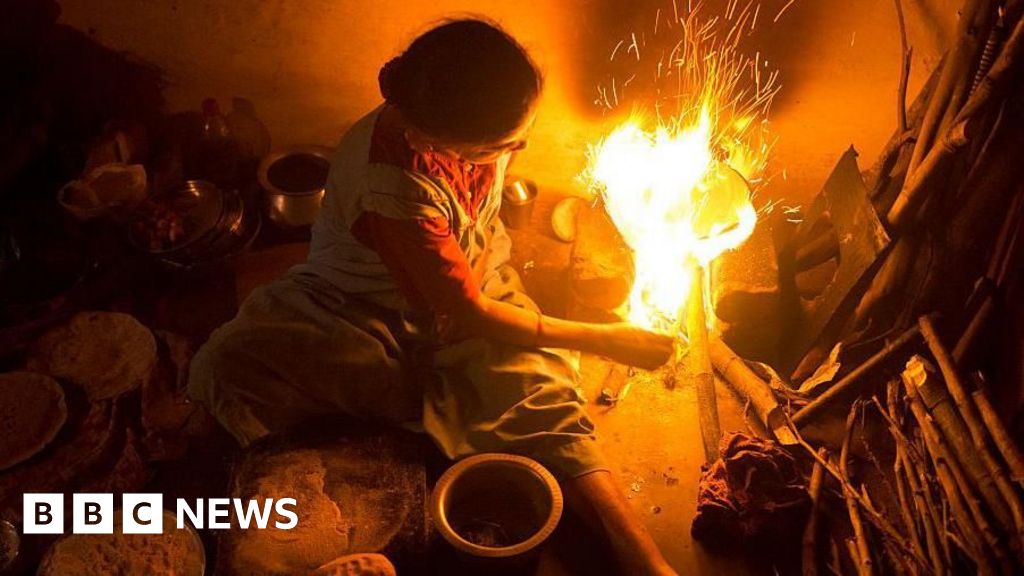
Across the vast expanse of India, from bustling metropolises to remote villages, the signs are unmistakable. Reports from local authorities and environmental agencies speak of a dramatic surge in the sales of traditional, often dirtier fuels. The humble firewood, once the backbone of rural kitchens, is regaining its prominence, its smoky tendrils rejoining the urban sky. Likewise, the age-old practice of using cow dung cakes as fuel is experiencing a renaissance, a poignant reminder of our agrarian roots and the cyclical nature of resourcefulness. These are not just statistics; they are the whispers of hearths rekindled, the scent of woodsmoke filling the air, and a palpable shift back to the familiar, albeit less ecologically sound, methods of survival.
This trend is not confined to the fringes. Even sectors that had embraced cleaner alternatives are now being nudged back towards the precipice of pollution. Restaurants and hotels, vital cogs in the nation’s economic machinery, have been given a reprieve, a temporary permission to revert to biomass. The environment ministry has issued directives to state pollution boards, allowing these establishments to temporarily switch to fuels such as wood, dried crops, animal manure, and even the more problematic kerosene and coal for a month. This is akin to a patient, recovering from a serious illness, being advised to return to a diet that is known to exacerbate their condition, albeit for a brief period. The fear is that this “brief period” may become a slippery slope, a habit reacquired, and a regression from which it will be difficult to recover.
A Cascade of Concerns: Environmental and Health Implications
The implications of this shift are far-reaching and deeply concerning. The increased reliance on biomass and fossil fuels will inevitably lead to a significant rise in air pollution. The fine particulate matter, the invisible enemy, will once again thicken the air, casting a pall over our cities and rural landscapes. This is not merely an aesthetic issue; it is a direct assault on public health. Respiratory illnesses, cardiovascular diseases, and a host of other health problems are intrinsically linked to poor air quality. Imagine the air, once a clear canvas for the vibrant hues of Indian life, becoming a murky tapestry, obscuring our vision and choking our lungs.
The gains made in reducing greenhouse gas emissions, so crucial in the global fight against climate change, are at risk of being undone. The burning of wood and coal releases substantial amounts of carbon dioxide and other greenhouse gases, pushing India further away from its climate targets. This is akin to a sailor, battling a fierce storm, suddenly finding their sails torn, threatening to send them drifting back towards the very tempest they sought to escape. The global community is watching, and the credibility of India’s climate commitments hangs in the balance. Furthermore, the increased consumption of firewood and cow dung cakes can lead to deforestation and land degradation, creating a vicious cycle of environmental damage.
The Economic Tightrope: Balancing Needs and Sustainability
The economic compulsions driving this potential regression are understandable. The gas shortage, exacerbated by the geopolitical tensions, has led to a sharp spike in prices, making natural gas an unaffordable option for many. Businesses, particularly those in the hospitality sector, are struggling to remain afloat. The decision to allow a temporary switch to cheaper, albeit dirtier, fuels is a pragmatic response to immediate economic pressures. It is a balancing act, a desperate attempt to keep the wheels of commerce turning in the face of adversity. However, this pragmatic approach carries a heavy price tag for our environment and public health.
The news serves as a stark reminder of our interconnectedness. The conflicts on distant shores have a tangible impact on the air we breathe thousands of miles away. It underscores the need for greater energy diversification and a robust domestic energy infrastructure that is less susceptible to external shocks. Relying heavily on imported fossil fuels, while at times necessary, creates inherent vulnerabilities. India must accelerate its transition towards indigenous renewable energy sources, such as solar and wind power, which are not only cleaner but also offer greater energy security.
A Call to Action: Charting a Course Towards a Cleaner Tomorrow
This is a critical juncture for India. The temptation to retreat to familiar, albeit polluting, energy sources in the face of economic hardship is strong. However, succumbing to this temptation would be a Faustian bargain, sacrificing long-term well-being for short-term relief. The nation must learn from this crisis and redouble its efforts to secure a cleaner, more sustainable energy future. This requires a multi-pronged approach:
- Accelerating Renewable Energy Adoption: Investing heavily in solar, wind, and other renewable energy technologies to reduce reliance on fossil fuels. This is akin to building stronger, more resilient sails for the ship of our energy independence.
- Enhancing Energy Efficiency: Promoting energy conservation measures across all sectors to reduce overall demand. Every kilowatt saved is a victory for our planet.
- Investing in Research and Development: Exploring innovative solutions for cleaner fuel alternatives and energy storage. The future of energy lies in our ingenuity.
- Public Awareness Campaigns: Educating citizens about the importance of clean energy and the long-term consequences of pollution. An informed populace is a powerful ally in this endeavor.
The current situation serves as a potent reminder that the fight for a cleaner environment is a continuous one, a marathon rather than a sprint. India stands at a precipice, with the shadows of past pollution looming large. The path forward demands courage, foresight, and an unwavering commitment to a sustainable future. The smog may beckon, but the promise of a cleaner sky, a healthier population, and a thriving planet must remain our guiding star.